
Summary
Analysts at NH Investment & Securities put the potential economic windfall from BTS’ world tour at roughly 8 trillion won - an aggregate that includes ticket revenue as well as spending on hotels, dining, personal care and merchandise. The tour, opening April 9 in Goyang, is expected to visit major global markets including Las Vegas, Los Angeles, London, Paris, Tokyo and Singapore. Observers and fans in Seoul over the weekend illustrated how spending beyond tickets - from Botox to souvenirs - is already boosting local retail and hospitality receipts.
Fans as economic actors
For many attendees, the concert is as much an occasion for travel and personal indulgence as it is a musical event. Maria Herrera, a 58-year-old utility worker from Vancouver, said she agreed to take extra shifts and spend roughly 5,000 Canadian dollars ($3,644) for a week in Seoul to attend a Saturday performance. Herrera said she and her two daughters were willing to travel even before securing concert tickets because they planned to soak up the pre-show atmosphere and treat themselves to services available locally.
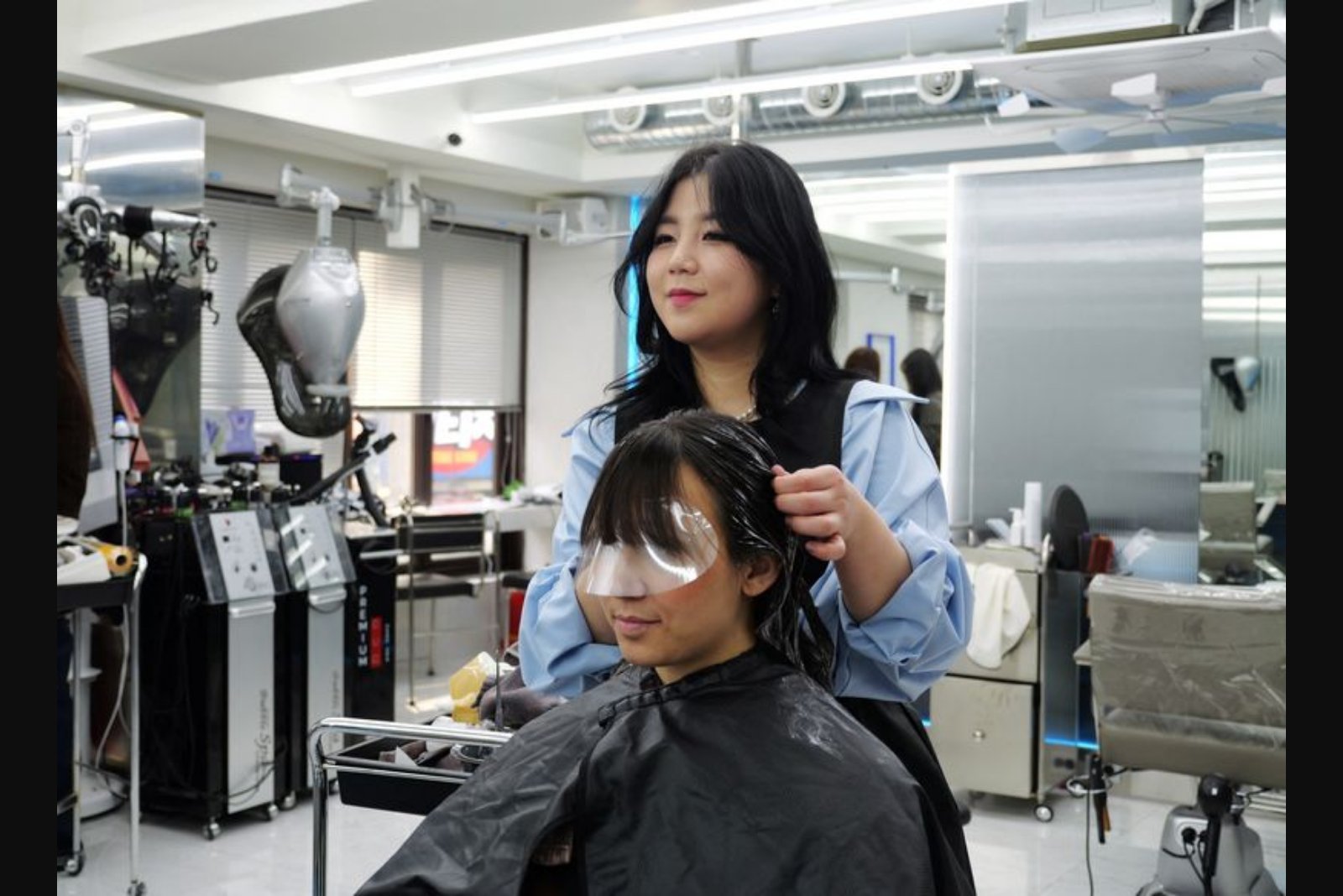
"We don’t do our hair in Canada," Herrera said as she emerged from a crowd of other ticketless fans gathered in downtown Seoul’s Gwanghwamun Square about 10 hours before the show. She listed planned expenditures that included "Botox, facials, Potenza and all that stuff," plus haircuts and color treatments. Herrera added that her group intended to travel to Toronto for another BTS concert.
NH Investment & Securities researchers have labelled the phenomenon "BTSnomics," an acknowledgement that the financial impact from such a global fandom extends well beyond box office receipts. Lee Hwa-jeong, a researcher at the firm, said that performances by artists with a global following tend to stimulate tourism-related consumption broadly across host cities and that the 8-trillion-won estimate comprises both direct revenue and secondary consumer spending.
Local indicators of a bump in activity
Even with turnout for Saturday’s reunion event falling short of a projected 260,000 attendees, measurable spending increases were visible in retail and travel data. In the week leading up to the free concert, sales of BTS-branded merchandise at Shinsegae Duty Free’s Myeongdong headquarters rose 430% from the prior week, according to reporting. At the Lotte Department Store in central Myeongdong, weekend revenue grew 30% year-on-year, while Shinsegae recorded a 48% jump.
Inbound arrivals for the first 18 days of March climbed 32.7% compared with the previous month, Ministry of Justice data showed, pushing up hotel rates in central Seoul. In Busan, where BTS is scheduled to perform in June, rates at some venues have surged by as much as seven times.
Ticket sales for the wider tour may also increase net revenue. Analysts cited plans by BTS to employ a centralized stage configuration that would eliminate obstructed views and potentially expand audience capacity - a setup that could push ticket receipts as high as 2.7 trillion won.
Pilgrimage and local consumption
Fans who travel without tickets are nevertheless participating in tourism-related spending. Stephanie Gonzalez, a 25-year-old visitor from Mexico who arrived in Seoul two weeks ahead of the concert, said she wanted to "experience ARMY life to the fullest" by visiting well-known fan sites such as the former BigHit office and Hakdong Park. Gonzalez said she spent about 90,000 Mexican pesos ($5,028) on her trip, staying in a budget hostel.
Local residents, too, are engaging in concert-driven consumption. A Seoul resident in her 50s identified as Huirin said she took a taxi to Gwanghwamun after getting her hair done to conserve energy for commuting. Displaying BTS merchandise and wearing a purple shirt beneath a dark jacket, she emphasized the importance of dressing up for the event: "Are you kidding me? No woman - I mean, no ARMY - would go to a BTS event without dressing up," she said.
Wider context and caveats
Past record-setting tours by other global artists have been cited for producing local economic benefits. Still, mainstream economic research has tended to view large concerts and sporting events as providing only modest boosts to national economies. The article’s reporting includes that broader skepticism, reflecting that such events' aggregate macroeconomic contributions can be limited relative to headline figures.
South Korea is already witnessing pockets of sales growth tied to the reunion. Department store and duty-free sales figures, hotel pricing moves and a sharp rise in short-term inbound arrivals are examples of near-term effects the tour is generating.
Promotional investment service paragraph
Should you be buying 023530 right now? ProPicks AI evaluates 023530 alongside thousands of other companies each month using more than 100 financial metrics. The service says it uses AI to generate stock ideas by assessing fundamentals, momentum and valuation without bias. It highlights notable past winners it reports as Super Micro Computer (+185%) and AppLovin (+157%), and offers to indicate whether 023530 is featured in any ProPicks AI strategies or whether there are alternative opportunities in the same sector.
Conclusion
As BTS’ world tour prepares to begin with an April 9 opening in Goyang, observed spending by traveling and local fans illustrates how major entertainment events can translate into short-term gains for retail, hospitality and tourism segments. Analysts’ 8-trillion-won estimate covers a wide set of consumer activity types, from ticketing to personal services and merchandise, and offers a quantification of the tour’s potential to move money through host-city economies.
Key points
- NH Investment & Securities estimates combined direct and secondary spending tied to BTS’ 44-city tour at about 8 trillion won ($5.32 billion).
- Retail and hospitality receipts in Seoul saw substantial week-on-week and year-on-year gains in the run-up to the reunion event; inbound arrivals for the first 18 days of March rose 32.7% month-on-month.
- The tour’s ticket revenue could increase if centralized staging expands capacity, with analysts projecting ticket sales as high as 2.7 trillion won.
Risks and uncertainties
- Economists have historically been cautious about attributing large, lasting macroeconomic gains to concerts and sporting events, suggesting the overall boost to national GDP may be limited - a risk to expectations about sustained impact.
- Actual attendance can fall short of projections - the reported turnout for Saturday’s event was below a projected 260,000 - which can constrain direct ticket revenue and associated local spending.
- Estimates of total spending mix direct and secondary consumption; the scale and persistence of secondary effects (for example, repeat tourism or long-term increases in hotel pricing) are uncertain based on the available data.