
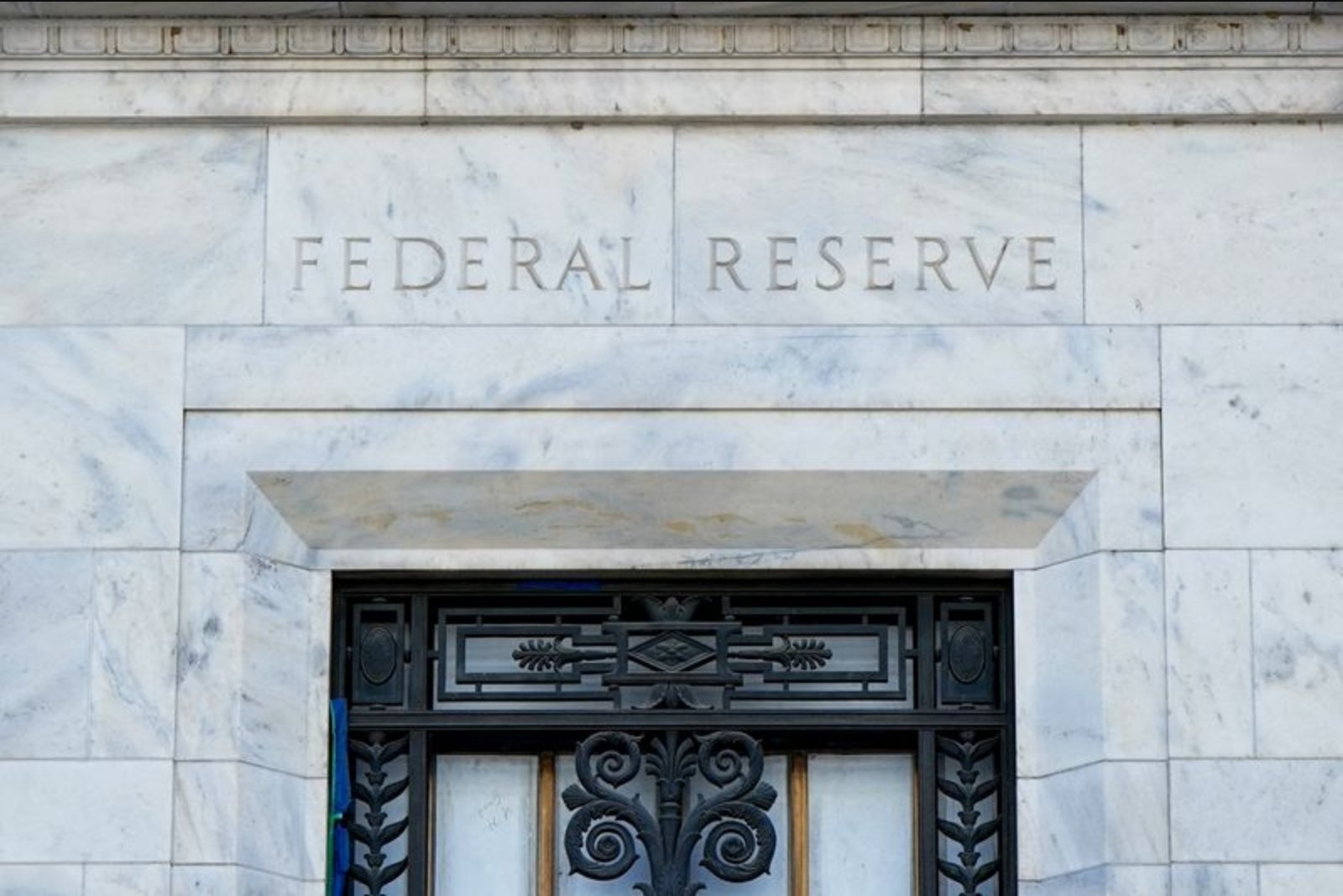
If the Federal Reserve decides it wants a materially smaller balance sheet, it can pursue a variety of regulatory and operational measures to get there, according to a paper published by the Brookings Institution on Wednesday. The author, Darrell Duffie, professor of management and finance at the Stanford University Graduate School of Business, lays out a gradual, technically complex road map that would require time to implement.
At the center of Duffie’s framework is a simple diagnostic: any credible effort to shrink the Fed’s holdings must first reduce the market’s strong demand for reserves. Duffie argues that the current system and regulatory environment encourage firms to hold large buffers of central bank cash, and that altering that calculus is essential to cutting the balance sheet without disrupting short-term interest rate control.
To lower the appetite for reserves, Duffie proposes several measures the Fed could pursue in combination:
- Relaxation of liquidity rules - Adjusting regulatory liquidity requirements could make financial firms more comfortable with carrying smaller holdings of liquid assets, thereby reducing the baseline demand for reserves.
- Changes to the Fedwire payment system - Tweaks to the Fed’s payment plumbing that better align incoming and outgoing payments for firms could reduce the need to hold excess cash for intraday purposes.
- Tiered interest on reserves - The Fed could alter the rate it pays on reserves, for example by lowering compensation on balances above a targeted level, to weaken the incentive to hold large reserve positions.
- More active temporary open market operations - Using temporary liquidity injections more frequently, rather than relying on the current largely automatic mechanisms, would allow the Fed to manage liquidity conditions with finer granularity and reduce the need for a persistently large stock of reserves.
“I’m not taking a stand on whether the Fed should reduce its balance sheet,” Duffie told reporters in a virtual meeting. “That’s a big cost-benefit analysis that I’m leaving up to the Fed.” He emphasized that his paper is a technical sketch of how to achieve balance-sheet reduction, not an advocacy piece prescribing a policy choice.
At the same time, Duffie stresses the tangible benefits of a large balance sheet. He notes that a system flush with liquidity has supported financial stability and has helped the Fed carry out its monetary policy mission effectively. "The benefits of a large balance sheet are quite tangible," he said. He also warned that the costs of a large balance sheet are often more intangible and can overlap with political concerns, such as worries about how extensive Fed holdings might affect the central bank’s independence.
Duffie’s recommendations arrive as a change in Fed leadership looms. Kevin Warsh, a vocal critic of an expanded Fed balance sheet, has been picked to succeed current Chair Jerome Powell when his leadership term ends in May, and Treasury Secretary Scott Bessent has publicly criticized the scale of Fed holdings in asset markets. Those developments give added relevance to proposals that would make a smaller balance sheet operationally feasible.
Why the Fed’s balance sheet grew: The paper recounts how episodic Fed purchases of Treasuries and mortgage-backed securities expanded the central bank’s balance sheet over time. These purchases were intended to stabilize dysfunctional markets during periods of stress and to provide economic stimulus when adjustments to short-term interest rates alone were insufficient. The balance sheet increased from just under $1 trillion before the 2008 financial crisis to a peak of $9 trillion in 2022, and currently stands at $6.6 trillion.
One principal side effect of large-scale asset purchases has been a marked increase in bank reserves. When financial institutions sold bonds to the Fed, they received Fed-created cash in return, which translated into bigger reserve balances. At the same time, post-crisis regulatory frameworks have required banks to maintain robust liquidity positions, reinforcing the preference for holding reserves.
The Fed has developed a set of operational tools to control the federal funds rate, its primary lever for monetary policy, and these tools have generally delivered strong control. But Duffie warns of a key operational hazard: if the Fed withdraws too much liquidity from the system too quickly, it runs the risk of losing effective control of short-term interest rates. He points to an episode in 2019 when the Fed was letting securities it owned mature without replacement in an effort to shrink holdings, and to a near-loss of rate control late last year as examples of this risk.
In response to liquidity pressures, since December the Fed has been buying Treasury bills aggressively to rebuild system liquidity through the tax season, describing that effort as a technical operation. Market observers widely expect the Fed to slow those purchases once May arrives.
The paper does not advocate outright for balance-sheet reduction; rather, it provides a menu of operational and regulatory adjustments that could make a smaller Fed footprint attainable while highlighting the trade-offs involved. Implementing any of the options would require careful calibration to avoid undermining monetary control or financial stability, a point Duffie underscores repeatedly in his analysis.