
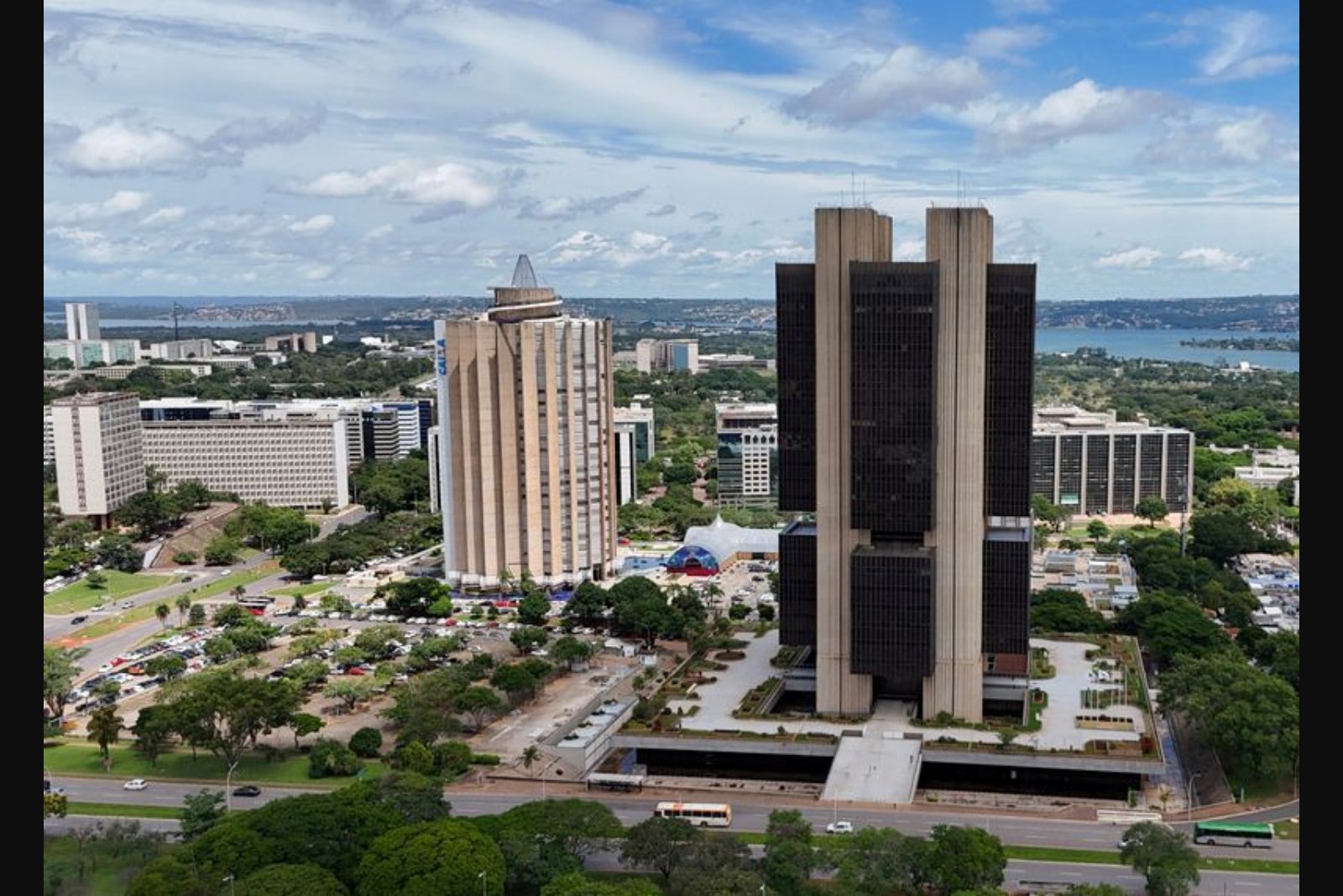
On Jan. 28, Brazil's monetary authority left its benchmark interest rate unchanged at 15% and formally signalled that an easing cycle will likely begin in March. The central bank's rate-setting panel, Copom, agreed unanimously to keep the Selic rate at its current level - a rate that policymakers noted remains restrictive as they seek to bring inflation back toward the target.
In the policy statement accompanying the decision, Copom provided forward guidance that confirmed market expectations for a March start to reductions in the Selic. The committee also stressed a "cautious" approach and used the word "serenity" when describing its intended stance on the speed and magnitude of cuts - language the bank has employed previously to indicate a lower probability of aggressive moves.
Despite the signal that easing will begin in March, the statement reiterated that decisions will remain strictly data-dependent. Central bank chief Gabriel Galipolo's earlier comments that all options remain on the table were reflected in the document, and the committee emphasised that it will calibrate changes to policy based on incoming indicators.
Market surveys had already shown strong expectations that the central bank would pause at this meeting, with 32 of 35 economists polled having forecast no change to the Selic. The guidance produced by Copom matched the prevailing market consensus that the first cut would occur at the next meeting. Economists remain divided, however, on the size of the initial move, with forecasts split between a 25 basis point reduction and a 50 basis point reduction in March.
Flavio Serrano, chief economist at Banco BMG, was quoted as interpreting the statement as a clear signal that the easing cycle is set to begin. He noted that, although the committee signalled greater caution about the potential pace of adjustments, he maintained his expectation of a 50 basis point cut in March.
The rate decision arrived on the same day the U.S. Federal Reserve kept interest rates unchanged. Policymakers in Brasilia noted that Brazil has successfully brought inflation below the 4.50% level - identified as the upper bound of the tolerance band around the central 3% target - over the past year. That improvement was attributed in the statement to a stronger currency and to lower inflation expectations, both of which have helped ease price pressures.
Even so, Copom warned that recent inflation readings, including core measures, while improving, still remain above the central bank's target. The committee left intact its annual inflation projection for the monetary-policy horizon relevant to decisions today - now defined as encompassing the third quarter of 2027 - holding that forecast at 3.2%, unchanged from the December projection.
On broader activity, members judged that a wide range of indicators continues to point to a moderation in economic momentum as had been anticipated. At the same time, they observed that the labour market continues to show signs of resilience, a duality that informed their decision to maintain a restrictive policy stance while signalling a measured start to easing.
Seven of Copom's voting directors supported the decision to hold rates at 15%. Two director seats are currently vacant following the completion of terms in December; the central bank was explicit that those vacancies remain unfilled and that presidential nominations to replace them have not yet been submitted for Senate confirmation.
The policy pause completes a phase that began with aggressive tightening earlier in the prior year. The central bank had halted the campaign of rate increases in July after implementing a cumulative 450 basis points of hikes intended to slow activity and return inflation toward the target amid fiscal stimulus from the administration. With that tightening now in place, Copom said that the current mix of conditions and indicators supports beginning to ease policy - but in a paced and cautious fashion.
In summary, Copom's decision combines a steady benchmark rate with forward guidance that signals an initial step down in March. The committee balanced improved inflation dynamics against persistent readings above target, ongoing labour market resilience, and signs of moderating activity, and highlighted the need to remain data-dependent and measured as policy moves from tightening toward gradual easing.