
Economy March 24, 2026

Brazilian Supreme Court Orders Jair Bolsonaro into Temporary House Arrest on Medical Grounds

Justice Alexandre de Moraes authorizes 90-day humanitarian house arrest for the former president following a recent ICU stay for pneumonia

By Maya Rios
Brazilian Supreme Court Orders Jair Bolsonaro into Temporary House Arrest on Medical Grounds

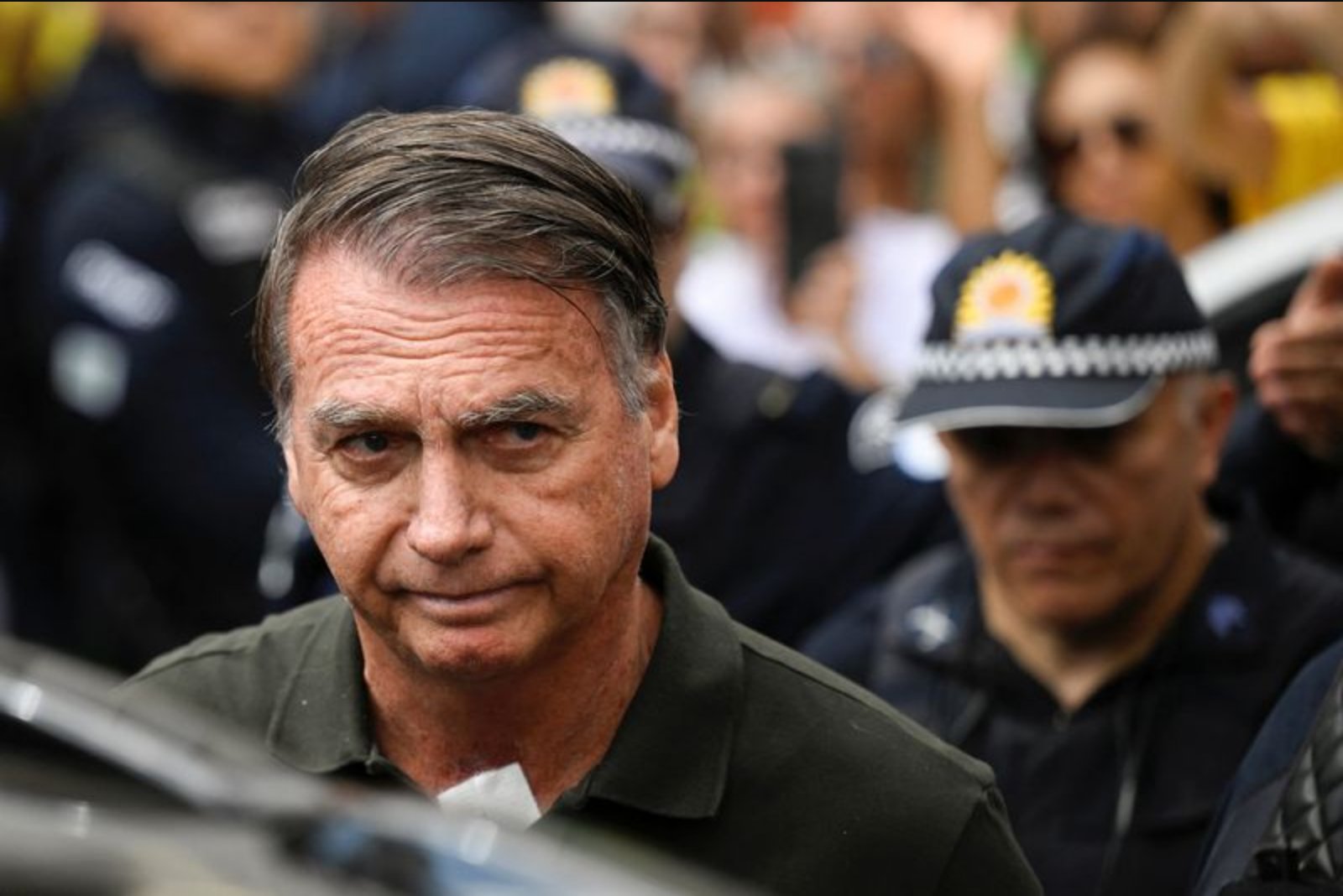
A Brazilian Supreme Court justice has allowed former President Jair Bolsonaro to serve an initial 90-day period of humanitarian house arrest for health reasons. Bolsonaro, 71, is serving a 27-year prison term for plotting a coup after losing the 2022 election. The order will be reassessed after 90 days and could include a medical re-evaluation.

Key Points

  • Justice Alexandre de Moraes authorized an initial 90-day humanitarian house arrest for former President Jair Bolsonaro on health grounds - impacts legal and political sectors.
  • Bolsonaro, 71, is serving a 27-year sentence since November for plotting a coup after losing the 2022 election to President Luiz Inacio Lula da Silva - central to legal and governance considerations.
  • The house arrest decision follows an earlier ICU admission for acute pneumonia; Bolsonaro has been discharged from the intensive care unit - relevant to healthcare sector monitoring and legal custody arrangements.

A Brazilian Supreme Court justice on Tuesday authorized former President Jair Bolsonaro to serve his prison sentence under house arrest on medical grounds, according to a court order made public that day. Justice Alexandre de Moraes set an initial 90-day period for the humanitarian house arrest.

Bolsonaro, 71 years old, has been serving a 27-year prison term since November after being convicted of plotting a coup following his defeat in the 2022 election to President Luiz Inacio Lula da Silva. The new order does not set a permanent end date for confinement at home; rather, it establishes a limited period during which the conditions for continued humanitarian house arrest will be reviewed.

In the decision, Moraes said the house arrest is to last for an initial period of 90 days. "After this period, the presence of the requirements necessary for maintaining humanitarian house arrest will be reassessed, including a medical examination if needed," the justice wrote.

Legal representatives for the right-wing former president had for some time petitioned Moraes to allow him to serve his sentence under what they described as "humanitarian house arrest." Prior to Tuesday's order, those requests had been denied by the justice.

The decision to reverse earlier denials follows a recent hospitalization. Bolsonaro was admitted earlier this month to the intensive care unit of a Brasilia hospital with an acute form of pneumonia. A medical note issued on Tuesday indicated that he has been discharged from the ICU.

The court order and the medical update together frame the immediate circumstances behind the shift in detention conditions: a sitting justice has approved a temporary, health-based change to where the former president will serve his sentence, and the arrangement will be subject to reassessment at the end of the designated period.


Summary

Justice Alexandre de Moraes has approved an initial 90-day period of humanitarian house arrest for former President Jair Bolsonaro, 71, who is serving a 27-year sentence for plotting a coup after the 2022 election. The house arrest follows a recent ICU admission for acute pneumonia; Bolsonaro has since been discharged from intensive care. The court directed that the situation be reassessed after 90 days and that a medical examination be arranged if necessary.

Risks

  • The house arrest is limited to an initial 90 days and will be reassessed thereafter, creating uncertainty about longer-term detention arrangements - potential legal and political implications.
  • Bolsonaro's recent acute pneumonia and ICU admission indicate medical uncertainty that could influence future custody decisions - relevant to healthcare and custodial management.
  • Prior denials by Justice Moraes of similar humanitarian requests underline legal unpredictability in how custody petitions are handled - relevant to legal system stability and political risk assessments.

More from Economy

Altman Relinquishes Direct Safety Oversight to Prioritize Fundraising and Datacenter Scale-up Mar 24, 2026 Trump Says Iran Delivered Large Energy Concession as Talks Continue Mar 24, 2026 Minnesota Sues Federal Agencies to Gain Access to Evidence in Three Shootings During Immigration Enforcement Actions Mar 24, 2026 U.S. and Regional Envoys Weigh Iran Summit as Soon as Thursday, Awaiting Tehran's Answer Mar 24, 2026 Dimon Says Iran Conflict Raises Short-Term Risks but Could Open Door to Lasting Middle East Peace Mar 24, 2026