
Brazil's beef and chicken exporters say the war in Iran has so far caused only limited disruptions to shipments, but the de facto closure of the Strait of Hormuz has forced companies to adopt longer, costlier routes to maintain supply flows.
Chicken producers are particularly exposed to the Middle East, yet exporters report that cargoes continue to reach key markets despite the upheaval. Industry group ABPA indicated March exports were on track to top the 476,000 metric tons shipped in the same month last year.
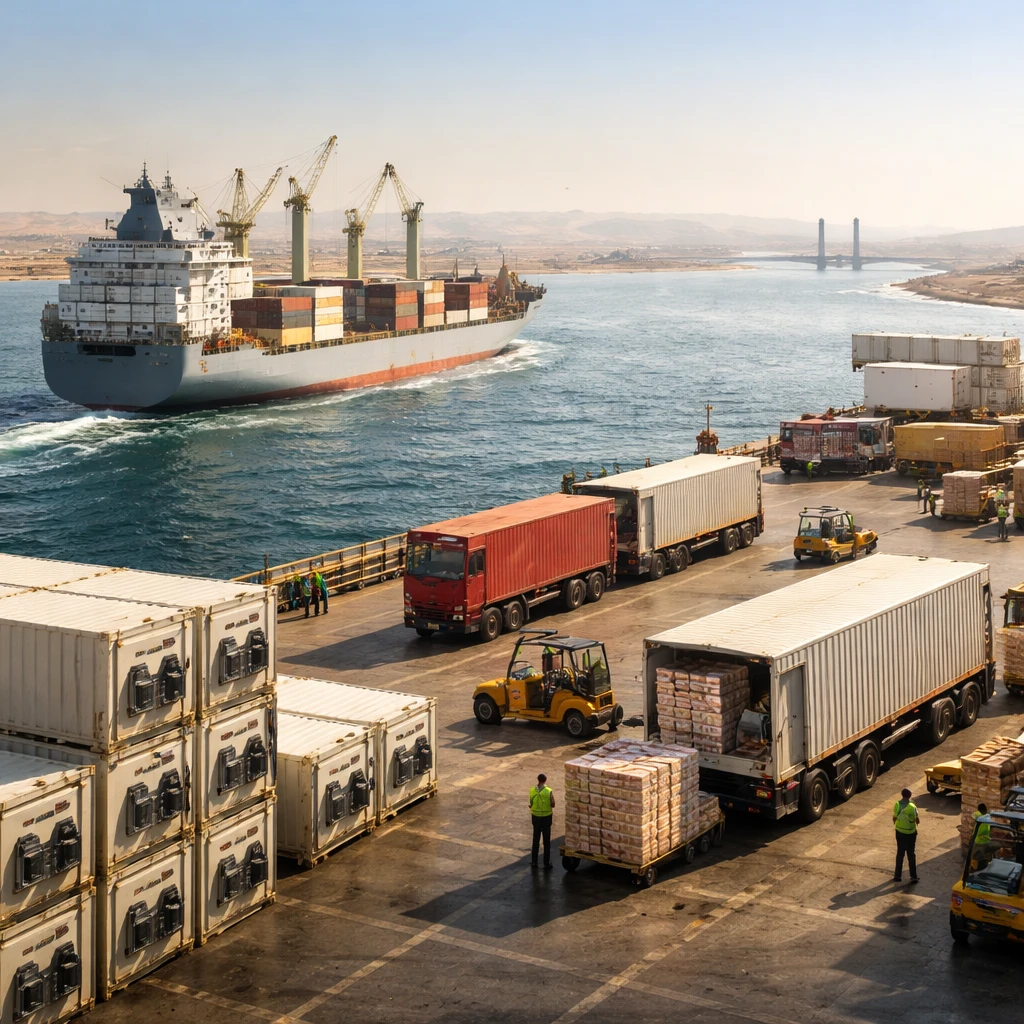
To keep deliveries moving to buyers in Iraq, Qatar, the United Arab Emirates and elsewhere in the region, exporters have redirected vessels through the Red Sea and Suez Canal, switched to different ports and employed overland trucking where possible, ABPA President Ricardo Santin said. "Those are alternatives that take longer and are more costly," he said, adding that higher fuel, storage, transport and war-risk costs were being shared in part with importers seeking to maintain inventories.
Datagro data show the Middle East accounted for about 30% of Brazil's chicken exports in 2025, making poultry one of the farm sectors most exposed to the conflict. Despite that concentration, Santin said there were no signs that excess supply was building up domestically.
Beef exporters likewise described the immediate effects of the war as limited, though the industry group Abrafrigo cautioned on Friday that a wider conflict could push logistics costs higher. The beef sector is also adjusting to Chinese safeguard measures that constrain access to a 1.1-million-ton quota subject to a lower tariff, with volumes above that threshold facing a 55% duty.
Abrafrigo said Brazil - the world's largest beef exporter - has been redirecting shipments to alternative markets including the United States, the European Union, Chile and Russia. Tighter global cattle supplies were also supporting demand for Brazilian beef, the group added.
In the first two months of 2026, Brazil's exports of fresh and processed beef, including offal and other byproducts, rose 39% in value to $2.865 billion, while volumes increased 22% to 557,240 tons, Abrafrigo reported. Those gains reflect both redirected trade and stronger worldwide demand, even as exporters manage higher logistics costs related to the conflict.
Context for markets and logistics
The near-closure of the Strait of Hormuz has compelled exporters to accept longer transit times and higher transport expenses to preserve access to Middle Eastern buyers. Exporters said these added costs - covering fuel, storage, transport and war-risk insurance - are partly offset by importers who wish to maintain inventories, and by shifting flows to other markets for beef.
While poultry remains concentrated in Middle Eastern demand, beef volumes have been reallocated to markets outside the region. Industry groups say this reallocation, together with tighter cattle supplies, has helped mitigate what could otherwise have been a sharper disruption to Brazil's meat trade.