
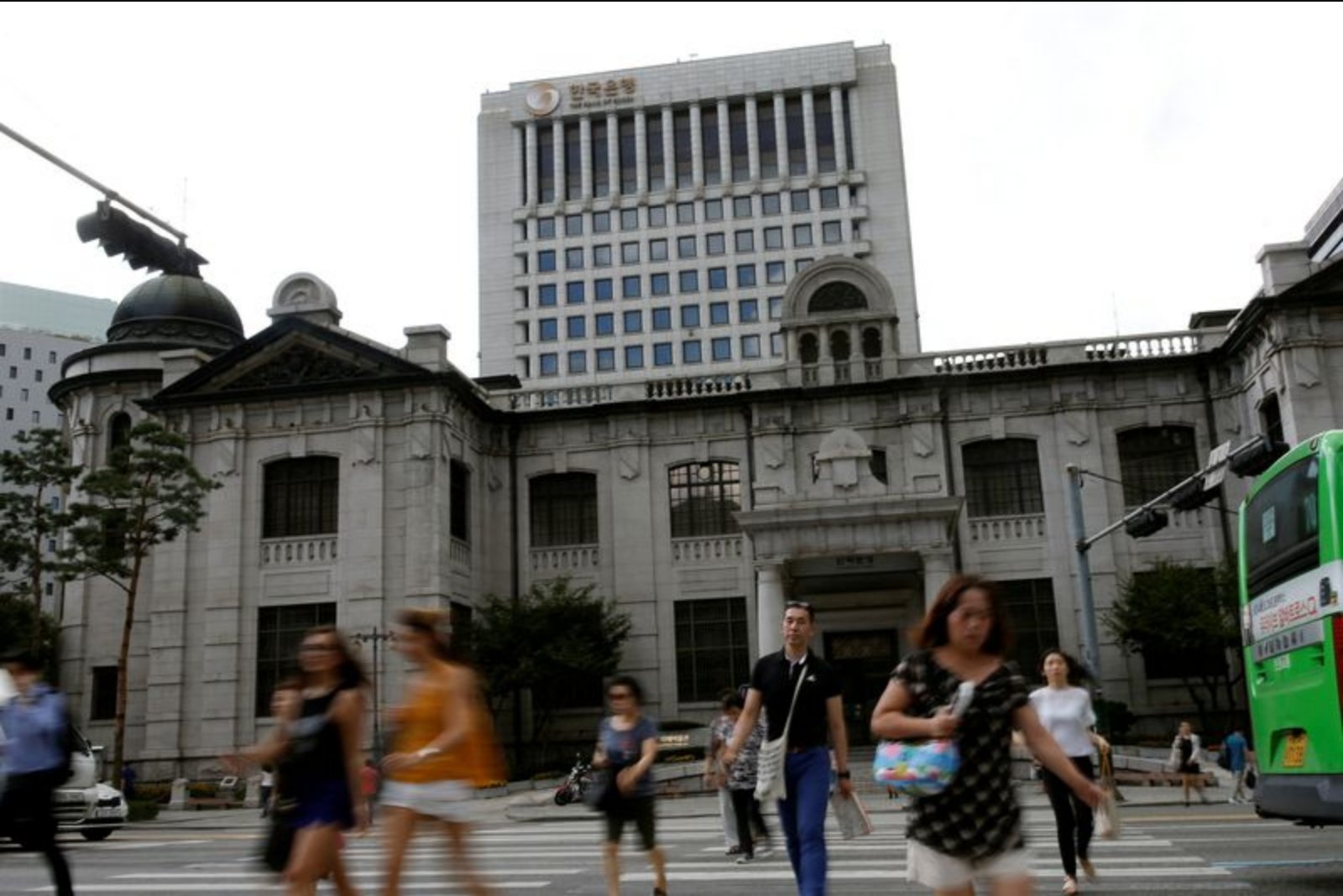
On Tuesday in Seoul, Shin Hyun-song, who was named last week as the presidential nominee to head the Bank of Korea, told a group of reporters that the central bank will need to adopt a "flexible" stance on monetary policy to respond to growing risks linked to the Iran war.
Shin said the current level of the Korean won is "not concerning" and added that liquidity in markets remains good. He noted the currency recently traded at its weakest point against the U.S. dollar since March 2009 in Seoul trading.
Describing the international situation, Shin identified the crisis in the Middle East as the biggest risk facing the Korean economy. He argued that the government’s proposal for an extra budget is necessary to support low-income people who are experiencing financial strain as a result of the Iran war.
At the same time, Shin cautioned that any inflationary pressure arising from the supplementary fiscal plan should be limited, given how the plan is designed and the scale involved. He emphasized that the budget’s structure and size will constrain its impact on broader price dynamics.
Professionally, Shin is head of the economic department at the Bank for International Settlements. His appointment as the central bank governor nominee was announced last week by President Lee Jae Myung. Before he can take office, Shin will be required to undergo a parliamentary hearing.
Context and implications
Shin’s remarks place emphasis on a pragmatic monetary response to external shocks while acknowledging the need for targeted fiscal support to vulnerable households. By labeling the Middle East conflict the most significant external risk and describing domestic liquidity as sufficient, Shin signaled a cautious balance between guarding financial stability and supporting those most affected by geopolitical fallout.
The nominee’s comments set expectations for how the central bank might weigh exchange-rate developments, market liquidity, and government fiscal measures if he is confirmed following the parliamentary process.