
Economy April 9, 2026 09:27 PM

BOJ Will Weigh Shock's Size and Duration in Policy Decisions, Deputy Governor Says

Officials say Japan is not in stagflation but central bank will monitor Middle East war effects on growth and inflation

By Leila Farooq
BOJ Will Weigh Shock's Size and Duration in Policy Decisions, Deputy Governor Says

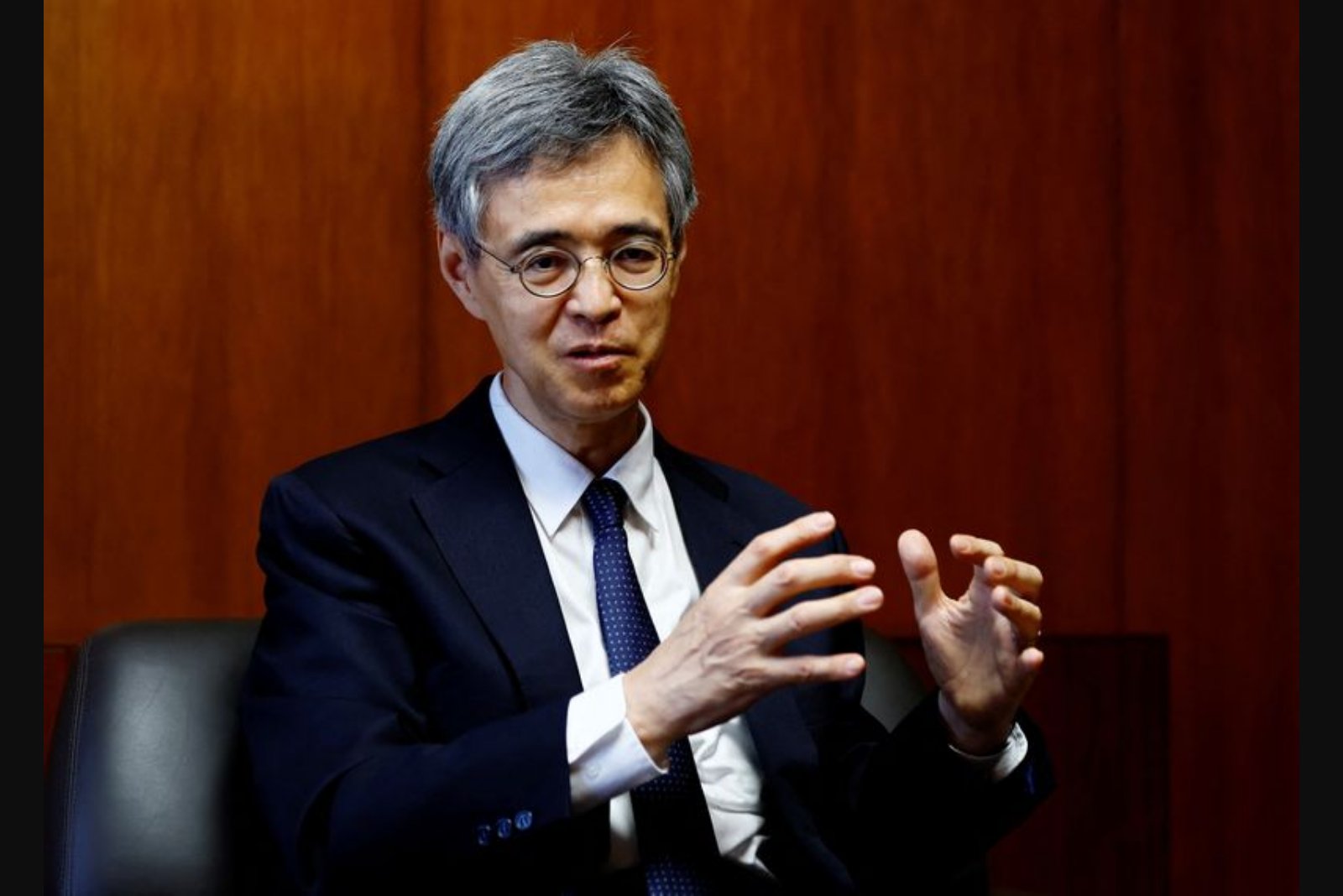
Bank of Japan Deputy Governor Ryozo Himino told parliament the central bank will set monetary policy while closely watching the scale and duration of the economic shock stemming from the Middle East conflict. Himino said he did not view Japan as being in stagflation, noting inflation is near the 2% target and the economy is expanding above its potential, but warned a persistent conflict that slows growth and raises inflation would create a difficult policy dilemma.

Key Points

  • Deputy Governor Ryozo Himino said the BOJ will guide policy based on the scale and duration of the economic shock from the Middle East war - impacts relevant to the broader economy and financial markets.
  • Himino stated he did not believe Japan was in stagflation, noting inflation is around the 2% target and the economy is growing above potential - a signal about current macroeconomic conditions.
  • The BOJ will choose the most appropriate policy to stably achieve its 2% inflation target while monitoring both the scale and length of any shock and the prevailing economic environment - affecting monetary policy outlook.

Tokyo, April 10 - Bank of Japan Deputy Governor Ryozo Himino said in a parliamentary appearance that the central bank will shape its monetary policy with attention to both how large and how prolonged the economic shock from the Middle East war turns out to be.

Addressing lawmakers, Himino said he did not consider Japan to be in a state of stagflation, observing that inflation has been moving around the BOJ's 2% target and that the economy is growing above its potential.

"But if the Middle East conflict persists and works to push down growth while accelerating inflation, it would pose a dilemma and difficult problem for us," Himino said.

Himino highlighted the conditional nature of policy choices amid evolving external pressures. He said the central bank would make the most fitting monetary policy decision from the perspective of stably reaching the 2% inflation goal, taking into account the scale and length of any shock and the economic environment at the time.

"We will take the most appropriate monetary policy decision from the standpoint of stably achieving our 2% inflation target with an eye on the scale and length of shock, as well as economic environment at the time," he said.

The comments frame the BOJ's approach as reactive to the trajectory of external developments rather than pre-committing to a fixed course. Himino's remarks underline the bank's focus on balancing its inflation objective against changes in growth momentum that might be driven by geopolitical events.

By stressing both the magnitude and the duration of the shock, the deputy governor pointed to two dimensions the BOJ will monitor closely as it evaluates policy options. He emphasised the central bank's intent to weigh incoming economic information in context when deciding how to act to maintain price stability.

The exchange in parliament reiterated the BOJ's stated inflation target and the institution's willingness to adjust policy in response to shifts in the economic environment, should the external shock evolve in a way that complicates the trade-off between growth and inflation.


Context and next steps

Himino's testimony signals that the BOJ will continue to assess developments in both price trends and growth, with policy calibrated to observed shocks from abroad. The bank's decisions will be framed by its commitment to the 2% inflation target and the need to respond appropriately to changes in the economic setting.

Risks

  • Persistence of the Middle East conflict - could prolong external shocks to Japan's economy and affect growth and inflation, creating challenges for policymakers and markets.
  • A scenario where growth is pushed down while inflation accelerates - would pose a dilemma for the BOJ in balancing its 2% inflation target with the need to support economic activity.
  • Uncertainty about the evolution of the economic environment - the BOJ's policy path depends on future incoming data and the trajectory of the shock, leaving markets and the economy exposed to changing policy signals.

More from Economy

US Consumer Prices Likely Jumped Sharply in March as Iran Conflict Lifted Oil Costs Apr 10, 2026 Global markets brace as a wave of elections could reshape funding, policy and investor sentiment Apr 9, 2026 Imported energy costs push Chinese factory-gate prices back into growth Apr 9, 2026 Dollar Slips as Ceasefire Boosts Risk Currencies Ahead of U.S.-Iran Talks Apr 9, 2026 Bank of Korea Keeps Policy Rate at 2.50% as Middle East Tensions Raise Inflation and Growth Concerns Apr 9, 2026