
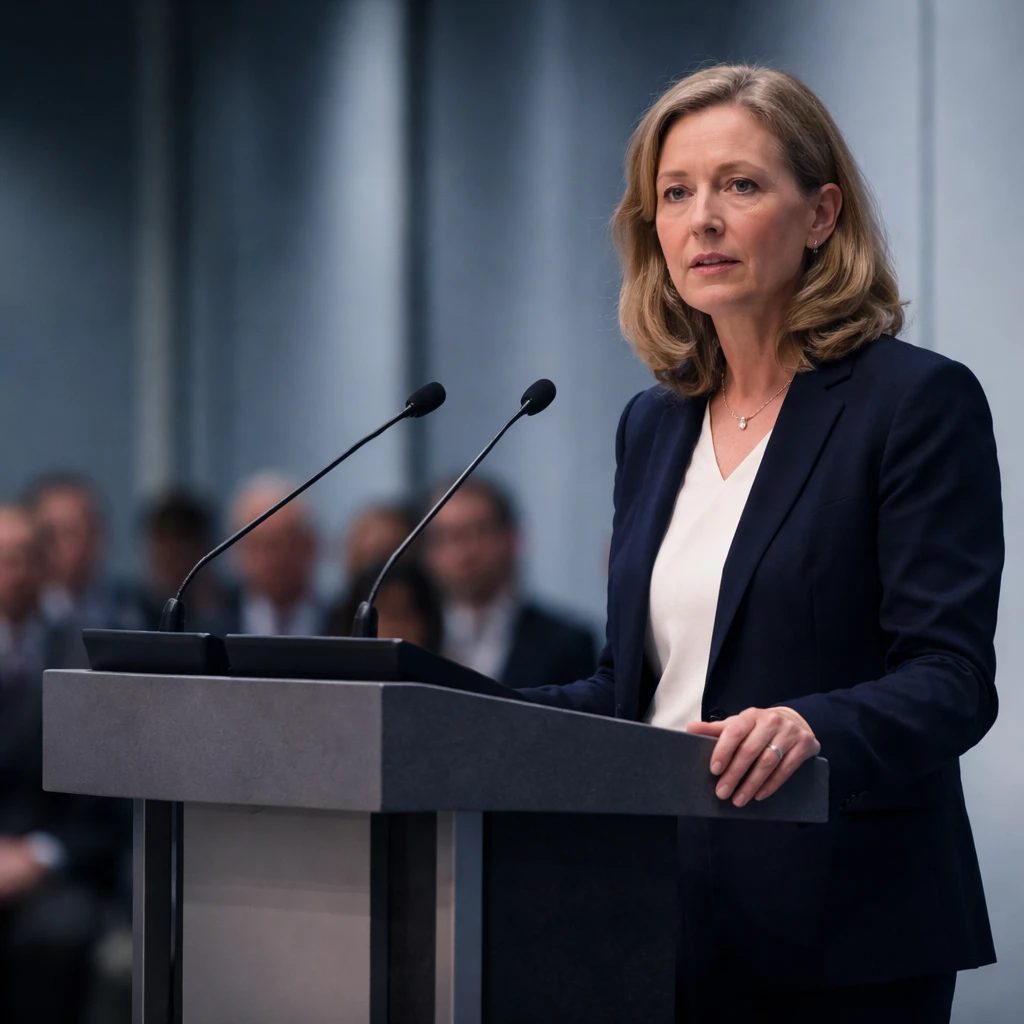
Bank of England Deputy Governor Sarah Breeden said on Thursday that the chance of second-round inflation effects arising from the Iran War "should be less likely," arguing that labour market slack and weak underlying activity undercut the bargaining power of wages and prices.
Speaking at a Resolution Foundation event in London, Breeden contrasted the current economic backdrop with the environment in 2022, when Russia's invasion of Ukraine helped push inflation into double digits. "There's slack in the labour market, and it's rising, and the outlook for activity was lacklustre, even before the energy shock," she said, adding that these conditions mean "firms and workers are likely to have less pricing power, less wage bargaining power, meaning second-round effects should be less likely."
Breeden emphasised that the Bank of England will remain alert to the possibility of a wage-price feedback loop, saying there are risks "on both sides." Her remarks came amid signs of rising unemployment and tepid economic growth, a context in which she had previously supported faster rate cuts before the conflict began.
The deputy governor's comments followed remarks from another policy maker. On Wednesday, BOE official Megan Greene said the committee faces a more difficult trade-off than in 2022, when the labour market was tight, interest rates were low and growth was buoyed by a post-pandemic upswing. Greene warned there could be a lasting impact on inflation even if geopolitical tensions de-escalate quickly.
Breeden noted that the latest shock arrives after an extended period in which inflation ran above the Bank's 2% target, and that Bank rate remains in restrictive territory. She cautioned against preemptive moves: "It's not wise to act before we have sufficient information," she said, adding that "we'll learn a chunk more by the time of the April decision on the balance of these risks."
Her remarks outlined a cautious stance that balances the reduced probability of immediate second-round effects against ongoing uncertainty about the path of prices and wages. The deputy governor's emphasis on rising slack and a lacklustre activity outlook frames the Bank's current judgement that labour and price pressures are less likely to intensify into a self-reinforcing cycle, while also signalling continued vigilance as policymakers await further data ahead of the April decision.