
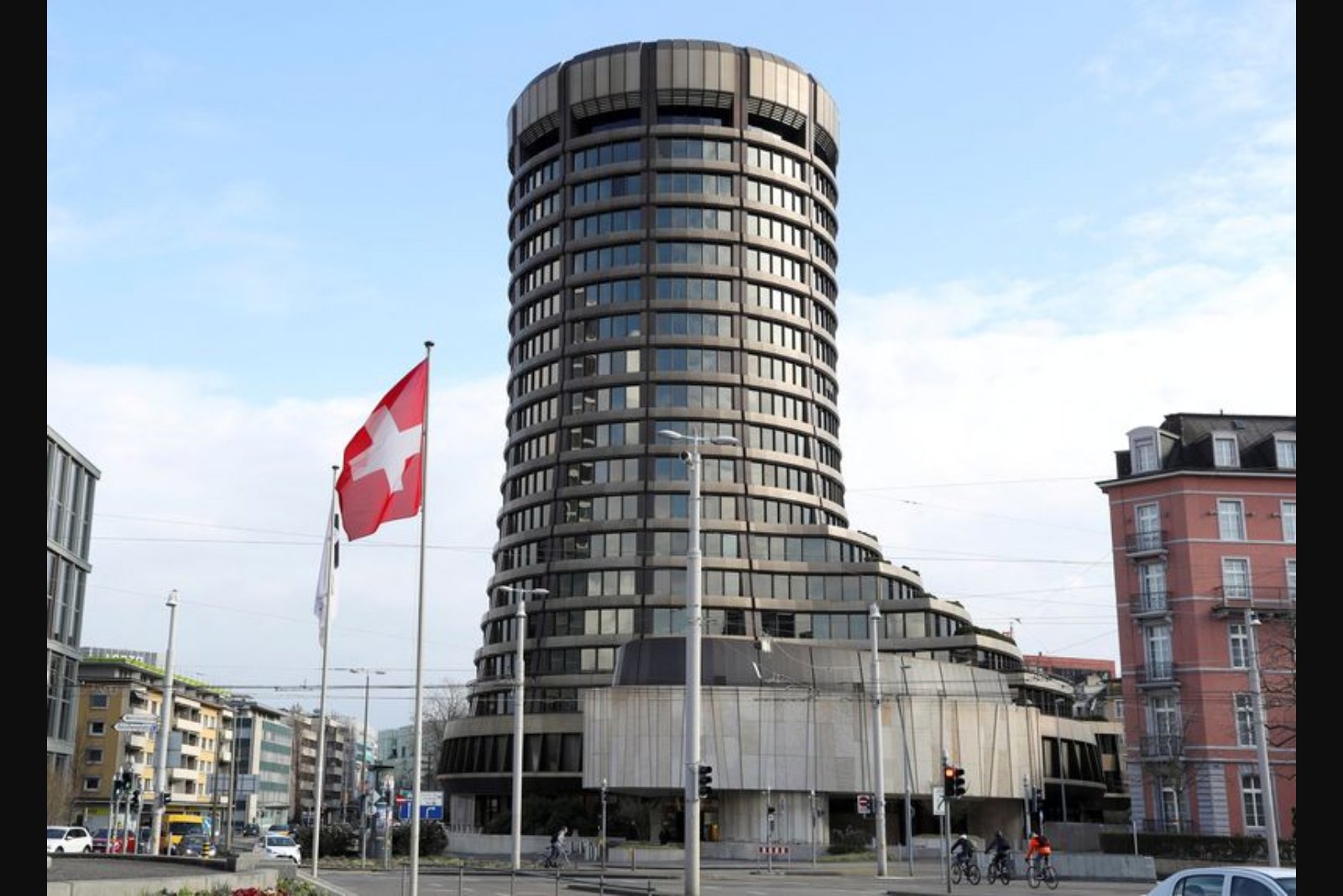
The global economic landscape faces a delicate balancing act between supporting growth and maintaining price stability. According to Pablo Hernandez de Cos, general manager of the Bank for International Settlements (BIS), the nature of fiscal support is a critical determinant in this equation. During an interview with Nikkei published on Monday, De Cos suggested that fiscal measures must remain focused and short-term in nature. He cautioned that should stimulus efforts become more widespread and prolonged, the resulting inflationary pressures could compel central banks to tighten monetary policy through higher interest rates, ultimately dampening economic activity.
Beyond domestic fiscal management, geopolitical tensions continue to introduce significant variables into the global financial framework. De Cos highlighted that ongoing disruptions in the Middle East pose substantial risks to international financial stability. This risk is compounded by the structural evolution of public debt; over the last 15 years, an increasing portion of rising public debt has been intermediated by nonbank financial institutions. This includes highly leveraged entities such as hedge funds, which adds a layer of complexity to the global debt landscape.
Current market dynamics have recently been characterized by a sense of optimism. De Cos noted that market sentiment has stayed buoyant in recent weeks, largely fueled by advancements in artificial intelligence (AI) and an underlying expectation that conflicts in the Middle East would reach a rapid resolution. However, he warned that if these expectations are not met, the markets could face abrupt corrections.
Key Economic Drivers and Market Impacts
- Fiscal Policy Discipline: The distinction between targeted support and broad stimulus is vital. Broad-based spending threatens to trigger inflation, impacting interest rate trajectories and general economic growth rates.
- Energy Price Volatility: Conflict in the Middle East has already caused market volatility and forced some nations, such as Japan, to increase spending to mitigate the effects of rising oil prices. This energy shock places central banks in a difficult position, weighing inflation control against the need for economic cooling.
- Nonbank Financial Intermediation: The shift in how public debt is handled through nonbank institutions and leveraged hedge funds introduces new channels for systemic risk within the financial markets.
Identified Risks and Uncertainties
- Persistent Supply Shocks: While central banks may attempt to "look through" temporary negative supply shocks without destabilizing inflation expectations, De Cos warned that if such shocks persist, this approach becomes unsustainable. The memory of post-pandemic inflation increases the likelihood of harmful second-round effects.
- Market Correction Risks: There is a disconnect between current buoyant sentiment regarding AI and geopolitical realities. If the anticipated resolution to Middle East conflicts fails to materialize, sudden market corrections could occur.
- Monetary Policy Tightening: The intersection of rising energy costs and persistent inflation risks creates an environment where central banks may be forced to raise rates, impacting capital allocation and growth across various sectors.