
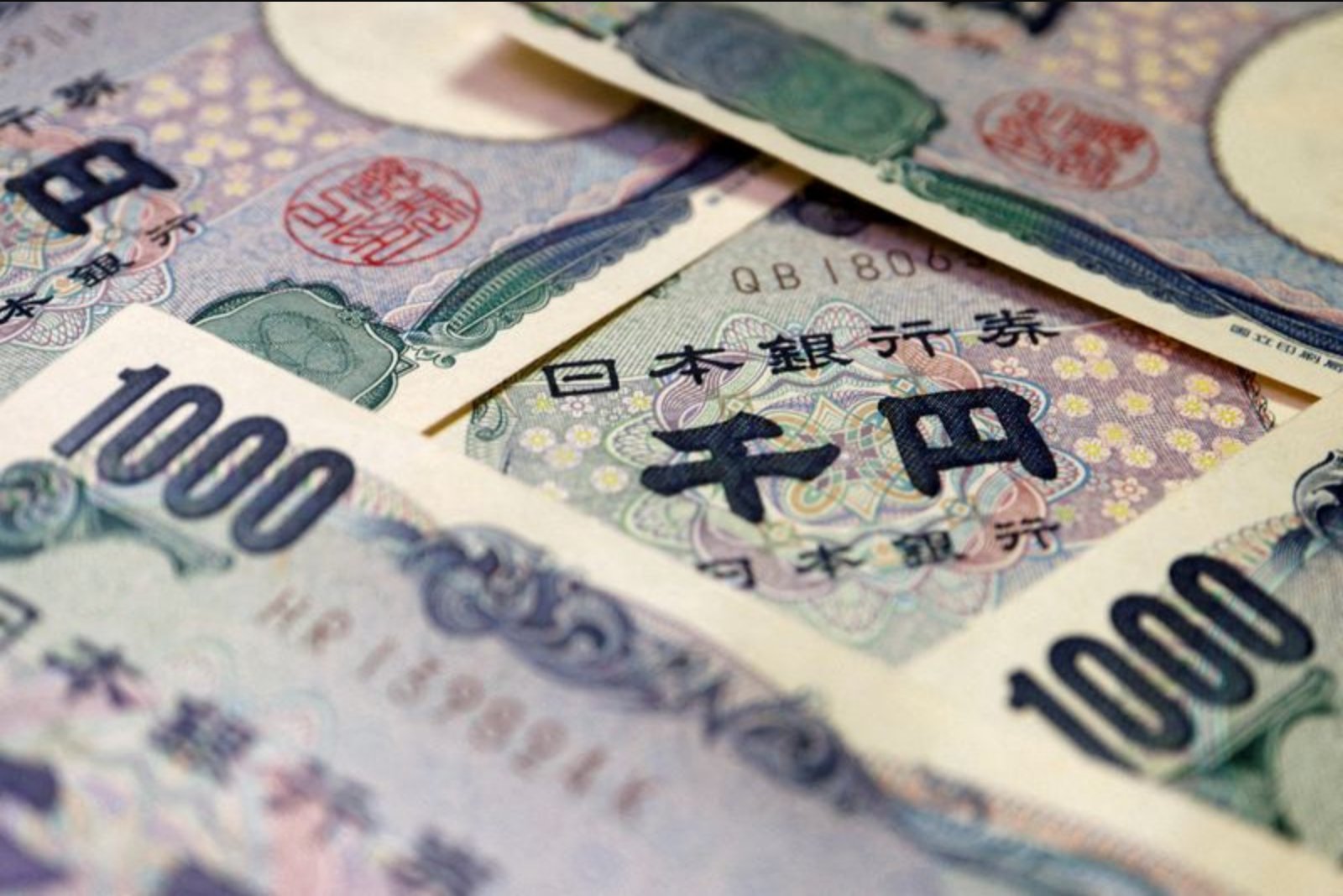
WASHINGTON, Jan 28 - U.S. Treasury Secretary Scott Bessent on Wednesday said the administration follows a strong-dollar policy focused on maintaining appropriate economic fundamentals and explicitly denied that the United States was intervening in currency markets to shore up the Japanese yen.
When asked on CNBC whether Washington had acted to bolster the yen, Bessent answered, "Absolutely not." Pressed on whether such intervention was planned, he reiterated, "We don’t comment other than to say we have a strong dollar policy."
Those remarks helped reverse some of the dollar's recent weakness, pushing the currency higher against a basket of major peers after it touched a four-year low in the prior session. The dollar index, which tracks the U.S. currency's performance relative to a group of other currencies, advanced 0.5% to 96.391 on Wednesday. The index had fallen as low as 95.86 on Tuesday, its weakest level since February 2022.
The dollar's slide earlier this month intensified after President Donald Trump brushed off the decline, saying the value of the dollar was "great" when asked whether it had fallen too far. Traders interpreted that comment as license to increase dollar sales ahead of a Federal Reserve policy decision later on Wednesday.
For the year to date the index is down nearly 2%, following a 9.4% decline last year. Market participants have cited several pressures on the currency, including uncertainty about the path of U.S. interest rates and tariffs, perceived threats to the Federal Reserve's independence, and rising fiscal deficits.
Safe-haven instruments reacted to the dollar's moves. Gold, which typically benefits when the dollar weakens and does not pay interest, climbed on Wednesday and surpassed $5,300 per ounce for the first time.
Bessent defended the administration's economic approach, saying that tax and deregulation measures had made the United States attractive to investors and had drawn in "trillions of dollars." He framed the dollar's fluctuations as normal market behavior over shorter horizons: "Over time the prices on the screen can fluctuate over six months, a year," he said. "If we have sound policies the money will flow in, and we are bringing down our trade deficits so they, automatically that should lead to more dollar strength over time."
He also reiterated his outlook for U.S. growth, forecasting that the economy would perform well this year and expressing no concern that that expansion would necessarily spur higher inflation. On the relationship between productivity, wages and price pressures, Bessent said productivity and wage growth do not necessarily translate into increased inflation. He added that declining rents could contribute to measured declines in inflation over time.
Context and market reaction
- The immediate market response to the Treasury secretary's comments was a stronger dollar versus its peers, reversing some of the prior session's weakness.
- Traders had been selling the dollar following comments from the president, ahead of a key Federal Reserve policy announcement later in the week.
- Precautionary demand for gold rose as the dollar weakened.