
Economy February 10, 2026

Bessent Says U.S.-China Ties Are Stable but Must Be De-Risked

Treasury Secretary in Sao Paolo stresses fair competition, declines calls for decoupling; offers guarded views on Russia-Ukraine and Iran

By Avery Klein
Bessent Says U.S.-China Ties Are Stable but Must Be De-Risked

U.S. Treasury Secretary Scott Bessent told attendees at the BTG Pactual CEO Conference in Sao Paolo that relations between the United States and China are currently "a very comfortable place," while stressing that Washington seeks to de-risk ties rather than sever them. He framed the relationship as a rivalry that should be fair, expressed optimism about productive engagement with Beijing, and briefly commented that he feels "optimistic" about the Russia-Ukraine situation and that "we’ll see what happens with Iran."

Key Points

  • Bessent described U.S.-China relations as "a very comfortable place," indicating current stability in the bilateral relationship.
  • He stated: "We do not want to decouple from China, but we do need to de-risk," highlighting a preference for reducing vulnerabilities rather than cutting ties.
  • Bessent also offered brief international commentary - he said he was "optimistic" about Russia-Ukraine and added "we’ll see what happens with Iran." - sectors potentially affected include trade-sensitive industries and markets with China exposure.

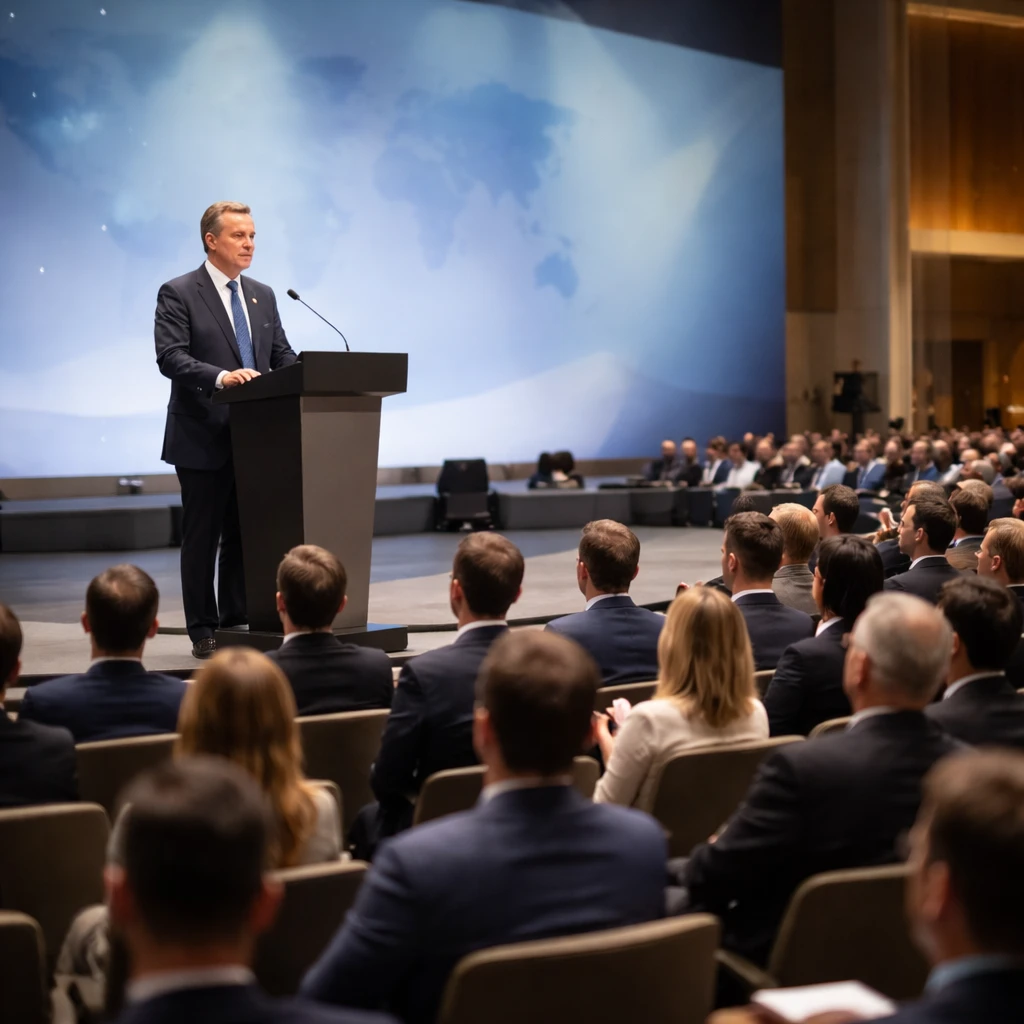
At the BTG Pactual CEO Conference in Sao Paolo, Brazil on Tuesday, U.S. Treasury Secretary Scott Bessent characterized the current state of U.S.-China relations as "a very comfortable place," while setting out the administration's posture toward Beijing.

"We are going to be rivals, but we want the rivalry to be fair," Bessent said, emphasizing a competitive stance that still aims to preserve constructive interaction. He added: "We do not want to decouple from China, but we do need to de-risk," signaling a policy preference for reducing vulnerabilities without pursuing a full disengagement.

In his remarks, Bessent conveyed cautious optimism about the prospects for productive relations with China, asserting that "competition keeps you from stagnating." The comment framed competition as an engine for progress while underscoring the desire for a regulated rivalry.

Beyond U.S.-China dynamics, the Treasury Secretary touched briefly on other global security questions. On the Russia-Ukraine conflict, he described himself as "optimistic" about developments. Regarding Iran, Bessent adopted a more reserved posture, saying simply: "we’ll see what happens with Iran."

The comments came in a concise appearance at the conference and focused on presenting a balance between maintaining economic ties and mitigating risks tied to strategic competition. Bessent's language underscores a policy approach that aims to navigate competition without pursuing separation.


Contextual takeaways - Bessent outlined three linked themes: a stable but competitive U.S.-China relationship described as "a very comfortable place," an explicit rejection of full decoupling in favor of de-risking, and cautious optimism about other international tensions. His brief references to Russia-Ukraine and Iran were limited to the single-word assessments quoted above.

The remarks were delivered at a high-profile financial industry gathering in Sao Paolo and were succinct, with the Treasury Secretary focusing on broad principles rather than detailed policy prescriptions.

Risks

  • Policy shifts toward de-risking could create uncertainty for firms with significant China exposure - industries tied to trade and cross-border supply chains may be affected.
  • Geopolitical developments in Russia-Ukraine remain uncertain despite the Secretary's stated optimism, posing risks to markets sensitive to geopolitical shocks.
  • Unclear outcomes regarding Iran, as reflected by the Treasury Secretary's wait-and-see comment, represent a source of near-term uncertainty for geopolitical risk assessments.

More from Economy

Bank of America Sees Possible Near-Term Floor for Japanese Stocks, Flags Geopolitical Risks Mar 22, 2026 Barclays Says Private Credit Strains Fall Short of a 2008-Style Crisis Mar 22, 2026 Persistent Middle East conflict and energy shock weigh on fragile equities rally Mar 22, 2026 Israel Orders Destruction of Bridges Over Litani River, Increases Home Demolitions Near Lebanon Border Mar 22, 2026 Paper Wealth Favors Eurozone, Financial Wealth Tilts Toward U.S., UBS Says Mar 22, 2026