
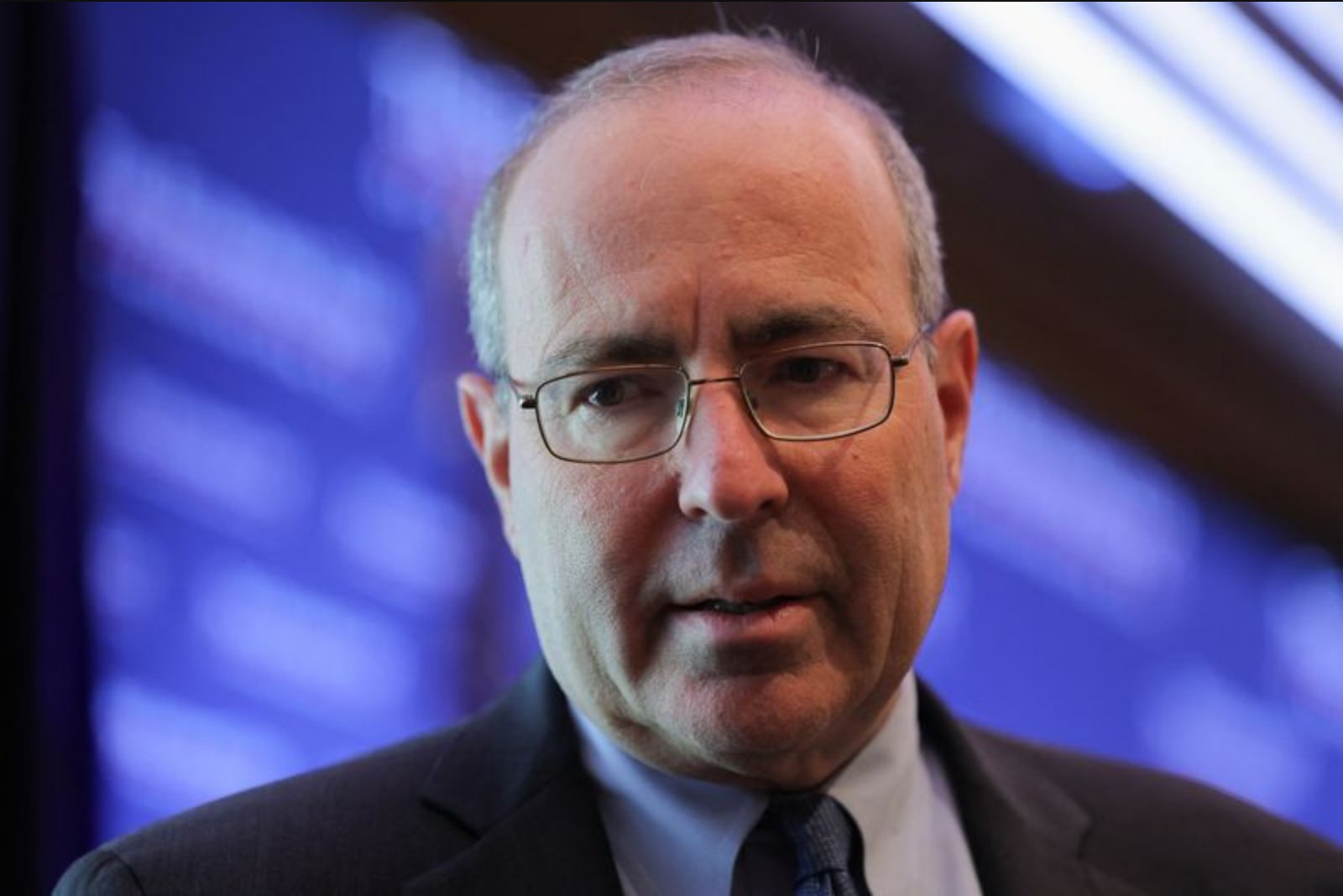
WASHINGTON, March 27 - The emergence of an armed conflict with Iran and the swift expansion of artificial intelligence investments have added new layers of uncertainty to the Federal Reserve's policy calculus, Richmond Fed President Thomas Barkin said on Friday. In prepared remarks for an economic forum at East Tennessee State University, Barkin argued these developments justify pausing on interest-rate moves for the moment.
Barkin said that while uncertainty linked to issues such as tariffs and immigration had started to ease, the overall outlook had not cleared. "I can’t stand here ... and tell you the fog has lifted. If anything, it’s deepened and spread," he said, describing the combined effects of an oil-price shock tied to the Iran war and large-scale AI investment that could alter labor markets and productivity trends.
The Fed left interest rates unchanged at its policy meeting last week. Barkin said that decision reflected a desire to wait for more clarity before changing the policy stance. "It felt prudent to hold rates and await more clarity on how we should be leaning to best support the economy going forward. I, for one, am hoping to see some of this fog burn off," he said.
Market participants have broadly interpreted the recent spike in oil prices as likely to remove the prospect of rate cuts this year, and to increase the odds that the Fed's next move could be a hike, given inflation remains above the 2% goal. How much higher energy prices push overall inflation, analysts say, will depend on the duration of the conflict, the peak level of oil prices and the extent to which higher energy costs filter through to other prices such as air fares, fertilizer used in food production and shipping.
Barkin noted that U.S. demand has remained solid, but cautioned that the oil shock could change household spending patterns and dampen consumer sentiment. He pointed to the visibility of rising pump prices, saying: "There’s something fundamentally unsettling about driving by a sign every day that reminds you that prices are going up." He added that recent data suggested progress toward the Fed's 2% inflation target had stalled, "and that was before the oil price spike."
On the present level of inflation, Barkin reiterated that the Fed's preferred gauge is roughly one percentage point above the target, underscoring why policymakers are hesitant to move prematurely amid the fresh shocks of higher energy costs and rapid AI-driven investment shifts.
Promotional note included in original remarks: The article's source also contained material promoting an investment product that emphasizes institutional-grade data and AI-powered insights for identifying investment opportunities, including a reference to a service named WarrenAI and InvestingPro+.