
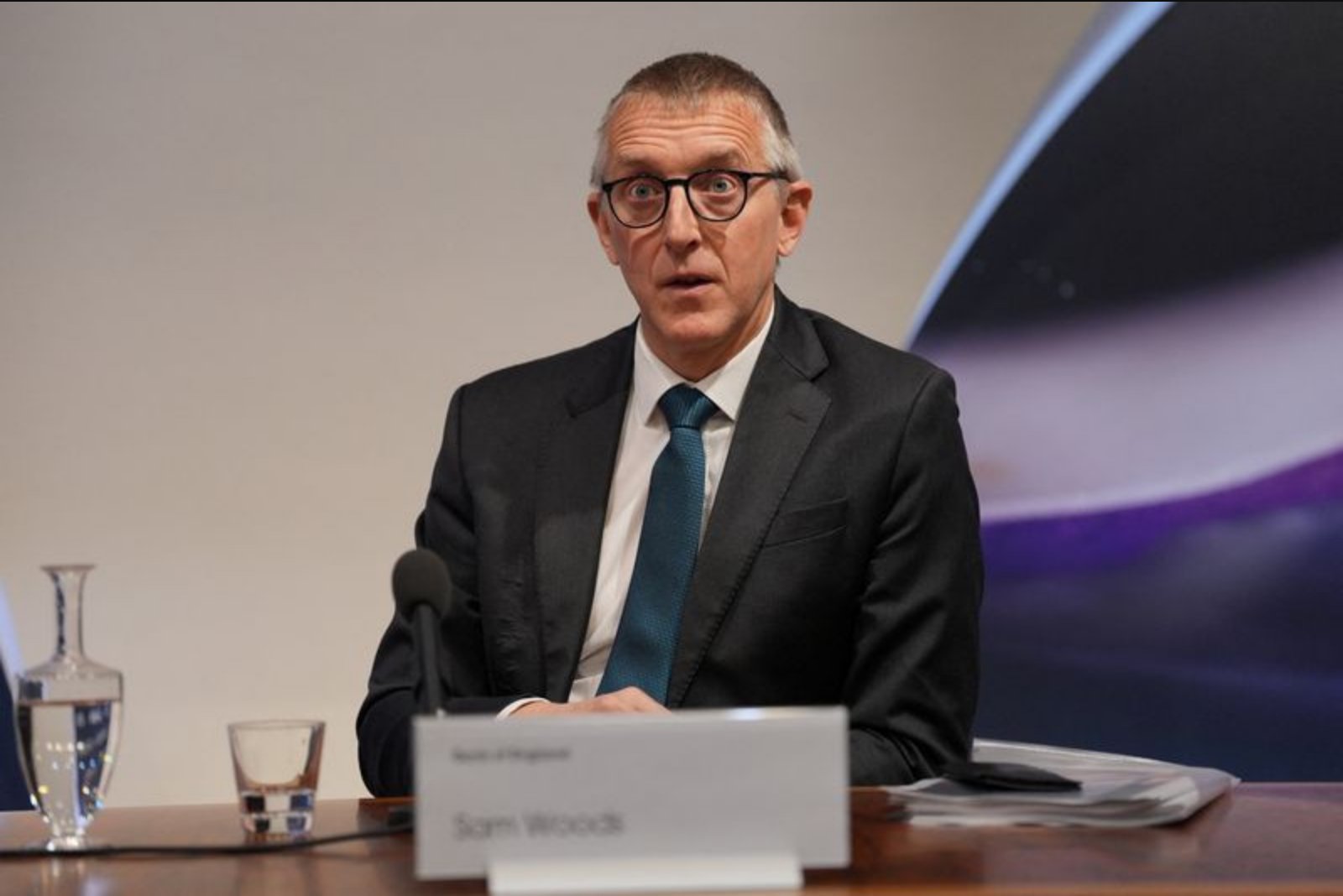
Sam Woods, chief executive of the Prudential Regulation Authority (PRA), said on Wednesday that it is "reasonable to expect quite significant disruption" to financial services from the latest generation of artificial intelligence models, naming Anthropic's Mythos and ChatGPT 5.5 Instant as examples.
Speaking at UK Finance's Growth Delivery Summit, Woods pointed to these models' improving ability to uncover vulnerabilities within systems. He said that the subsequent need for banks to fix those weaknesses rapidly - which he described as "the main driver of outages" in the financial system - raises the prospect of elevated operational stress.
Woods urged firms to strengthen basic cyber hygiene and to accelerate their incident response capabilities. He said that as threats evolve, "AI-driven defences" will become increasingly important in limiting disruption and protecting critical services.
Anthropic made its Mythos model available to a limited number of businesses in April. Cybersecurity experts have expressed concerns that models of this capability present novel challenges for the banking sector and for older, legacy technology stacks that underpin many institutions' operations.
At the same time, a Bank of England co-led cyber group assessed the sector's readiness and determined last month that financial firms were prepared for these challenges. Woods' comments underline a tension the regulator sees between the potential for disruptive acts enabled by advanced models and the industry's current resilience.
The PRA chief's remarks focused on concrete operational dynamics: faster detection of vulnerabilities by AI, the consequent pressure to deploy patches quickly, and the risks that rapid remediation itself can introduce outages. He called for reinforced hygiene basics as a first line of defence and for the adoption of AI-enabled protective measures to keep pace with developing threats.
Woods' address at the summit highlights the regulator's view that while some preparedness exists, the evolving capabilities of AI models mean that firms must continue to adapt processes, tools and response times to mitigate a rise in service disruptions.