
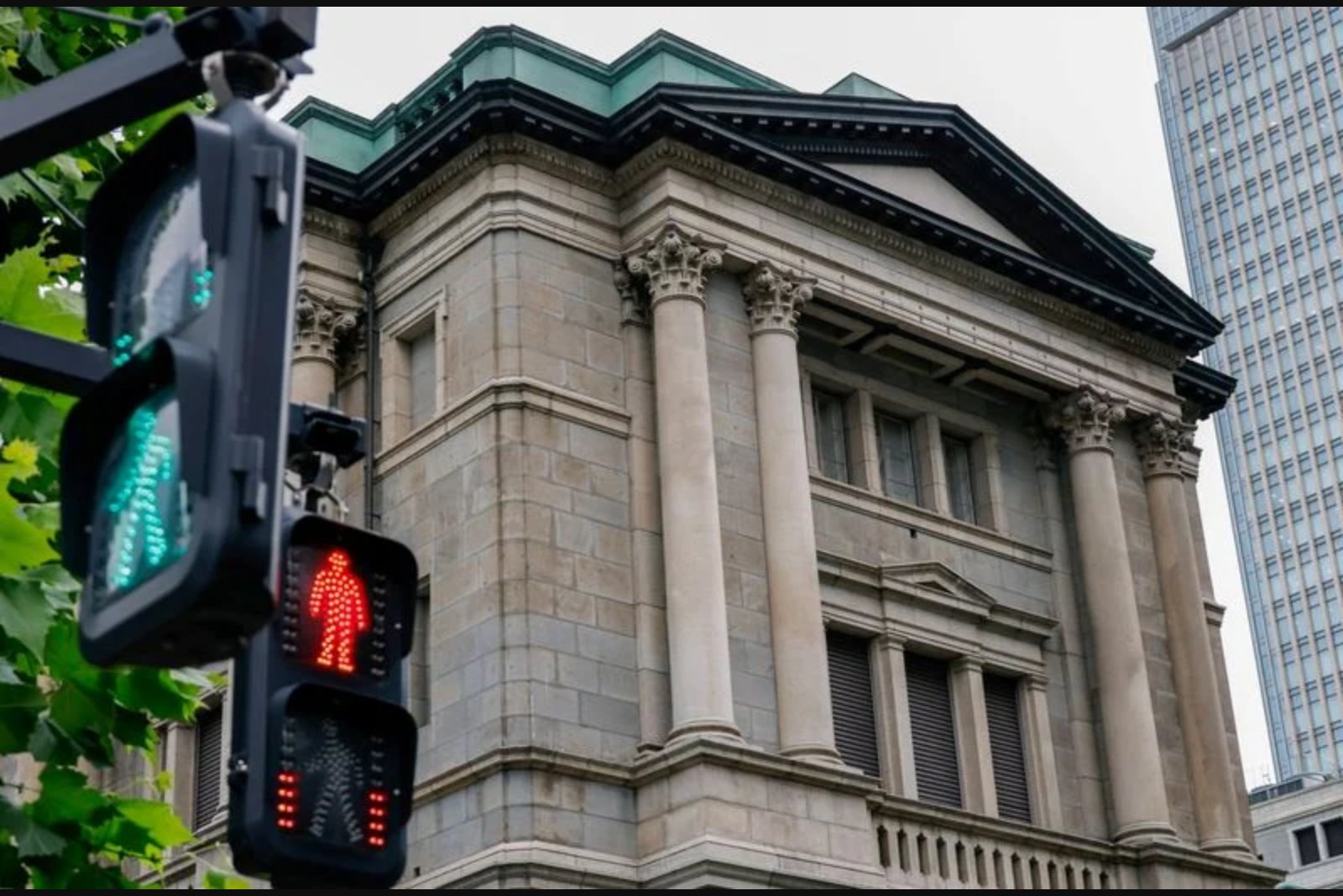
The Bank of Japan is poised to implement another pivotal step in its monetary policy normalization process on Tuesday. The central bank is expected to raise its short-term policy rate to 1% from the current 0.75%, pushing borrowing costs to levels not seen since 1995. This decision marks a significant departure from the radical stimulus framework inherited from previous leadership and underscores the institution's commitment to prioritizing price stability.
The rate adjustment would be the first since December, aligning the Bank of Japan with other major central banks, including the European Central Bank, which are shifting toward tighter monetary conditions to combat persistent inflation. While government subsidies have temporarily kept core consumer inflation below the central bank's 2% target, underlying price pressures are broadening. Wholesale inflation spiked to a three-year high of 6.3% in May, signaling that cost-push dynamics are accelerating across the supply chain.
A weak yen continues to exacerbate inflationary pressures by increasing the cost of imported goods and fuel. The currency's depreciation poses a direct challenge to the central bank, which must navigate a complex macroeconomic environment. The Middle East conflict has added significant volatility to this landscape. The ongoing hostilities have driven up oil costs, creating inflationary headwinds for an economy heavily dependent on imported energy. This energy shock complicates the policy path, forcing policymakers to remain vigilant against the risk of an inflation overshoot.
Governor Kazuo Ueda will be absent from the voting process for this decision. He is currently receiving hospital treatment for an infected liver cyst for two weeks. With the governor not voting, the decision rests with the remaining eight board members. Market indicators and internal signals suggest that these members are largely in favor of proceeding with the rate hike. Prior to this meeting, three board members had already proposed raising rates to 1%. This internal hawkishness, combined with strong market expectations, has led traders to almost fully price in a June increase.
Following the two-day meeting, Deputy Governor Shinichi Uchida is expected to hold a press briefing to outline the central bank's stance. Uchida is anticipated to reiterate the institution's resolve to continue hiking rates but will likely avoid providing explicit guidance on the timing of future increases. This cautious communication strategy aims to manage market expectations amidst lingering uncertainty. Former top economist Seisaku Kameda noted that Uchida is skilled at using "constructive ambiguity" to signal the bank's readiness to respond nimbly to evolving data.
The geopolitical situation regarding the United States and Iran adds another layer of complexity. A potential peace deal could ease global inflationary pressures, potentially altering the pace and timing of subsequent rate hikes. The Bank of Japan kept policy steady in April but sharply revised its price forecasts upward during that meeting. This revision highlighted the central bank's concern over entrenched price pressures. Economists project that the central bank may raise rates further to 1.25% in the fourth quarter following the June increase.
The shift toward higher borrowing costs has direct implications for the broader economy and financial markets. Companies relying on low-cost debt financing will face increased funding expenses, which could impact capital expenditure and working capital dynamics. The strengthening yen, if it accompanies tighter monetary policy, could benefit importers but hurt exporters who face competitive disadvantages in overseas markets. The central bank's focus on dismantling legacy stimulus measures signals a long-term commitment to conventional monetary policy, reducing the role of expansive balance sheet operations in supporting economic activity.
As the Bank of Japan navigates these challenges, the interplay between domestic inflation trends, energy costs, and geopolitical stability will remain critical. The decision to raise rates to a 31-year high reflects a prioritization of price stability over growth accommodation, marking a definitive end to the era of ultra-loose monetary conditions in Japan.