
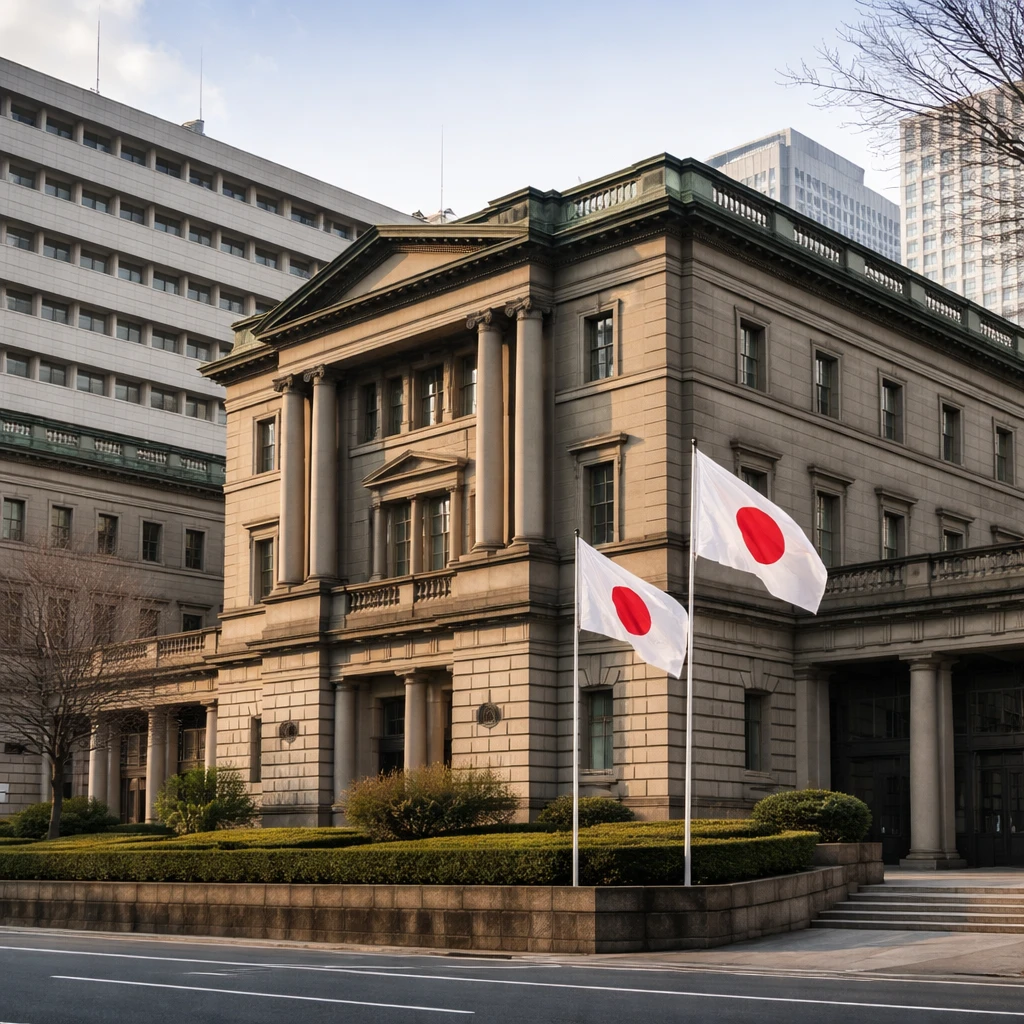
In the latest monetary policy session concluding on January 23, the Bank of Japan maintained its key interest rate at 0.75%, a level it raised from 0.5% in December. This decision was widely anticipated by market participants. Alongside holding rates, the BOJ raised its projection for Japan's economic growth while sustaining a firm stance on its inflation outlook.
At a subsequent news conference conducted in Japanese and translated by news agencies, BOJ Governor Kazuo Ueda elaborated on the central bank's current assessment and policy stance.
Implications of Recent Rate Increases
Governor Ueda acknowledged that since the last rate increase in December, it is still early to fully discern the impact on the economy. However, he noted a moderate uptick in corporate demand for financing alongside an actively lending banking sector. These trends contribute to a maintained accommodative financial environment within Japan. The governor emphasized the need for careful and ongoing evaluation of how previous rate hikes influence economic activity and financial conditions.
Strategies for Future Rate Adjustments
The BOJ remains prepared to continue increasing interest rates contingent on whether the economy and price trends align with their forecasts. The pace and sequencing of future hikes will be data-dependent, taking into account ongoing economic performance, inflation metrics, and financial market developments. Governor Ueda stressed that each policy meeting provides an opportunity to revise assessments of risks, inflation trajectory, and prospects for meeting set targets.
Concerns Over Long-Term Interest Rates
The governor pointed out the swift recent rises in long-term interest rates which deviate from typical patterns. While acknowledging these movements as exceptional, the BOJ asserted readiness to respond flexibly to manage such anomalies. Close coordination with the government was also highlighted as part of their approach to fulfilling their respective roles amid market volatility.
Currency Fluctuations and Inflation Dynamics
On the topic of the Japanese yen's depreciation, Governor Ueda refrained from commenting on specific exchange rate levels, noting that currency movements result from multiple factors including differences in interest rates between countries. He observed that a weaker yen leads to increased import prices, which can in turn temporarily elevate inflation. Additionally, rising activity by companies in adjusting prices and wages could amplify the pass-through of higher import costs. Monitoring these dynamics remains an area of focus for the BOJ.