
The Bank of France has revised down its projection for economic growth in 2026 while simultaneously increasing its outlook for inflation, citing the impact of rising energy prices tied to the conflict in Iran. The updated forecast follows similar adjustments made by the European Central Bank and lays out multiple scenarios to capture possible trajectories for the French economy.
In its refreshed set of projections the Bank of France includes an adverse scenario and a severe - or extreme - scenario alongside its baseline. Across these scenarios the bank still anticipates that consumer price inflation will remain relatively restrained compared with the ECB's estimates. Notably, consumer prices are projected to rise by under 2% next year even under the most extreme scenario presented by the Bank of France.
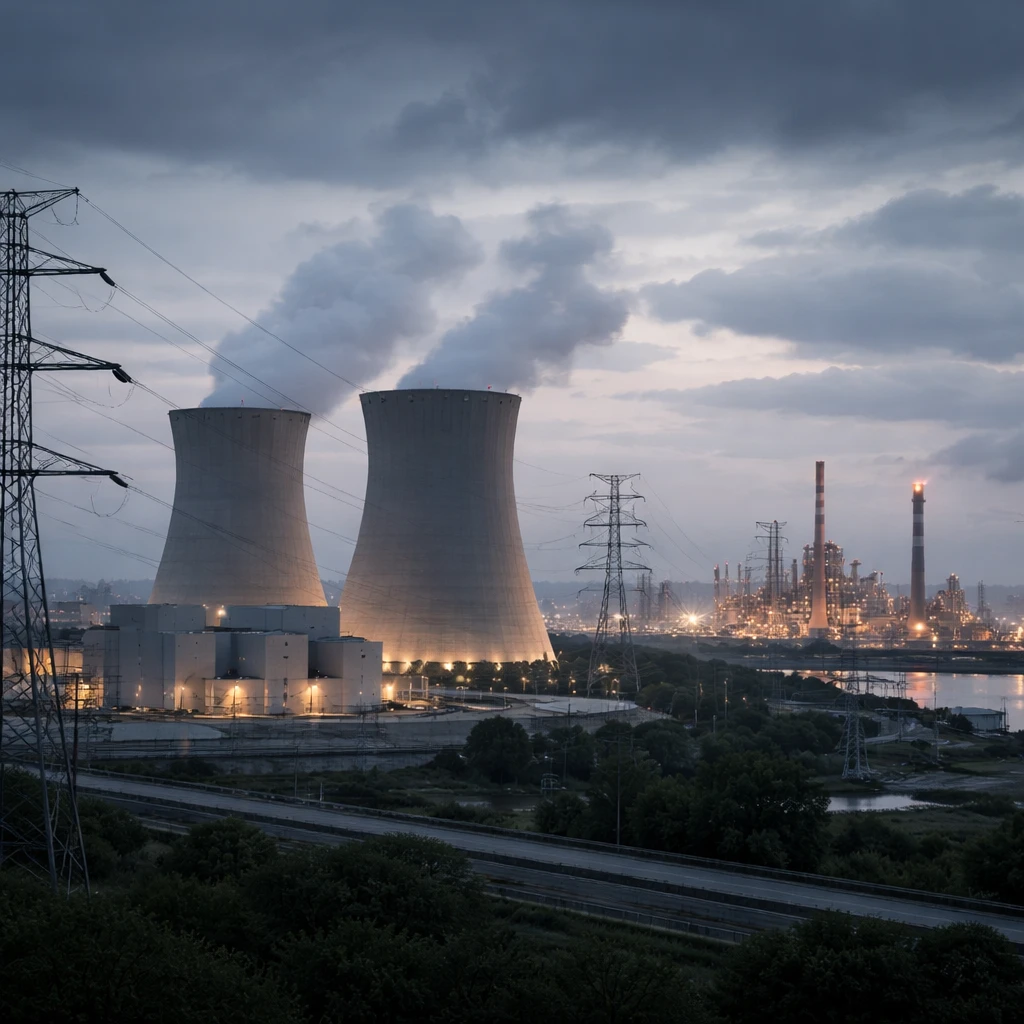
French inflation has run below the euro-area average for several months, a pattern the central bank attributes in part to the country's lower dependence on oil. France's heavier reliance on nuclear-generated electricity, compared with many of its European peers, has been cited as an element that has helped keep domestic inflation outcomes more moderate.
Under the bank's adverse scenario, the economy would face a larger contraction this year than in the baseline path, but growth is expected to converge with the baseline from 2027 onward. The severe scenario, by contrast, envisions a sharper drop in activity that affects both this year and the following year, producing a deeper slowdown in the near term.
The Bank of France's adjustments mirror shifts in other regional central-bank forecasts but stand out for their comparatively milder inflation projections. While the outlook incorporates the risk of higher energy costs related to geopolitical tensions, the central bank's scenarios indicate that even in heightened-energy-price settings, consumer price increases could stay below the 2% threshold next year.
Summary: The Bank of France lowered its 2026 growth forecast and raised its inflation projection after factoring in rising energy prices from the Iran war. It published adverse and severe scenarios and projects consumer prices to remain under 2% next year even in the most extreme outcome, noting that France's lower oil reliance and greater use of nuclear power have helped keep inflation below the euro-area average.