
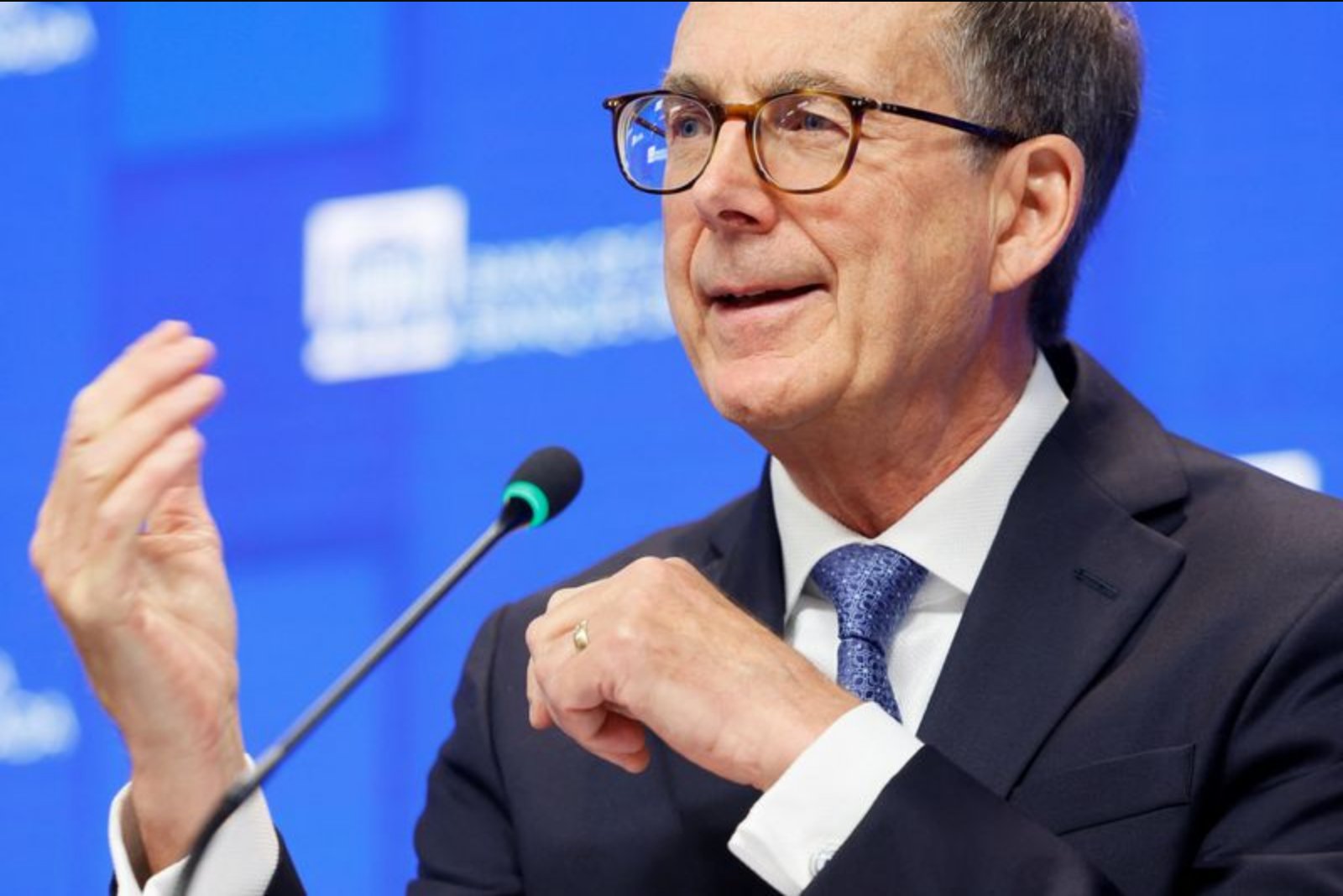
Bank of Canada Governor Tiff Macklem on Wednesday said the perceived threat to the independence of the U.S. Federal Reserve is adding to economic uncertainty around the world. Macklem made the comments at a news conference after the Bank of Canada opted to keep its policy rate unchanged, citing what he described as unusually high levels of uncertainty.
Macklem pointed to recent political pressure on the Fed as a factor driving apprehension. He noted that U.S. President Donald Trump has repeatedly criticized Fed Chair Jerome Powell and demanded interest rate cuts. Macklem also referenced reported efforts to remove Fed governor Lisa Cook and a reported criminal indictment threat from the U.S. Department of Justice directed at Powell.
"I think the threat to the independence of the central bank in the United States is one thing that has sort of been contributing to this sense of uncertainty," Macklem said. He underscored the Fed's global importance, calling it "the biggest, most important central bank in the world, and we all need it to work well. A loss of independence of the Fed would affect us all," and added that Canada would be particularly affected given its close economic links to the United States.
Macklem was among the central bank leaders who earlier this month issued a joint statement backing Powell. He also reiterated comments he made last September that attempts to pressure the Fed were beginning to have effects on markets.
On the role of central bank independence, Macklem said it allows monetary authorities to take "difficult decisions" that serve the public interest. He praised Powell's approach, saying: "He is doing a good job at leading the Fed based on evidence, based on facts ... I hope it stays that way. That's going to be important for everyone."
Bank of Canada senior deputy governor Carolyn Rogers reinforced Macklem's assessment at the same press conference. Rogers said a strong Federal Reserve benefits virtually every economy by contributing to stable markets and inflation. She noted that such stability helps create predictability and reduces volatility in interest rates, stressing there are "a lot of reasons for having a strong, independent Fed."
The comments came as the Bank of Canada maintained its policy stance in the face of what its leadership described as elevated uncertainty. Macklem and Rogers framed the independence and strength of the Fed as elements that support global market functioning and help limit erratic movements in rates and inflation expectations.
While the officials described the current environment as unusually uncertain and highlighted specific pressures on the U.S. central bank, they limited their remarks to the effects of those pressures rather than forecasting policy outcomes. Their statements underscored the interconnectedness of central banking decisions across borders and the particular sensitivity of Canada to developments at the U.S. Federal Reserve.