
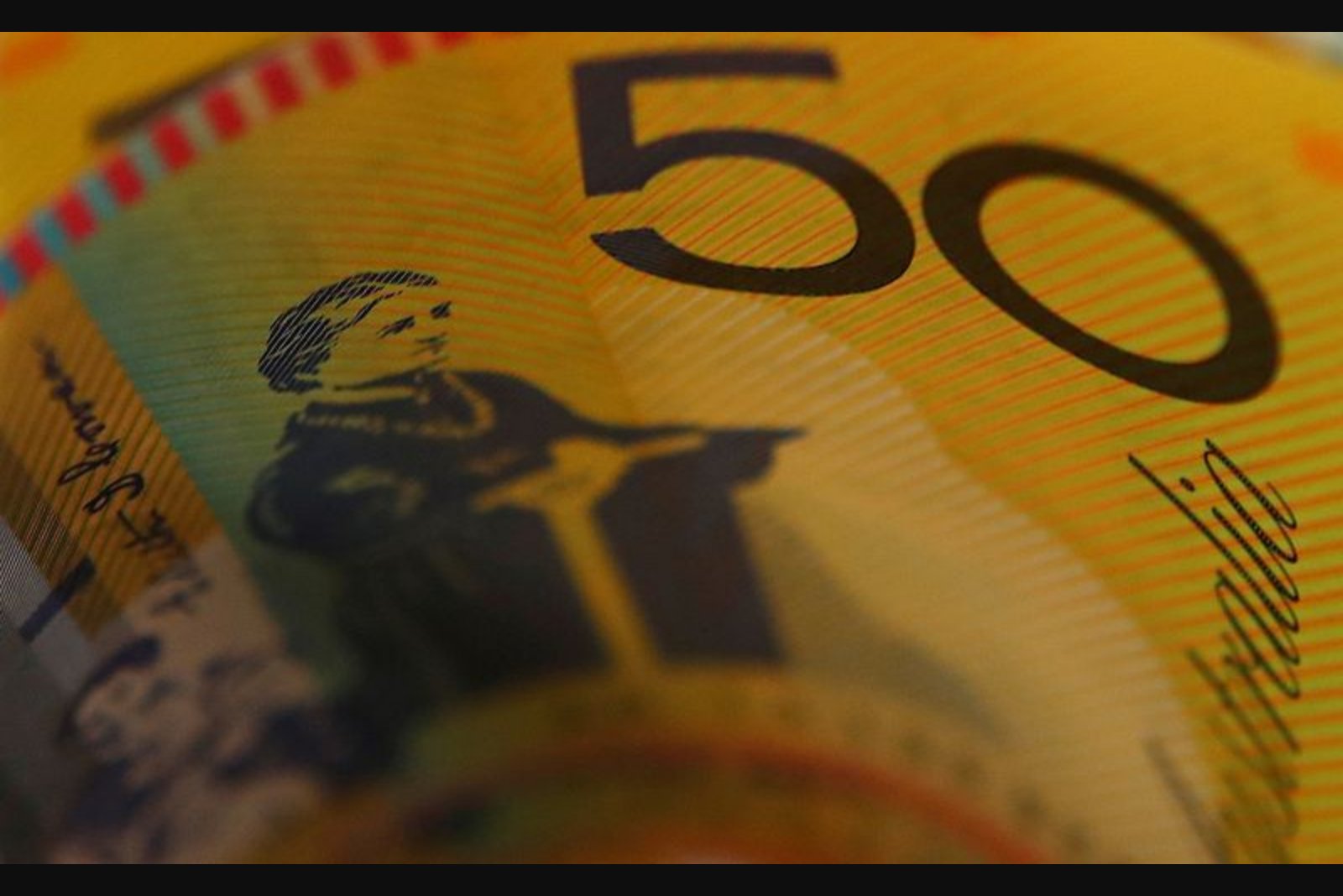
Australia’s domestic currency debt market is experiencing a surge in issuance this quarter, propelled by the country’s relatively high sovereign yields and growing recognition among global investors of Australia as a safe, advanced-market destination for capital. According to Informa Global Markets, investment-grade borrowers have placed more than A$92 billion in Aussie-dollar debt so far in 2026, equivalent to about $63 billion, positioning the primary market to exceed last year’s near-record annual volume of almost A$260 billion.
The quarterly tally marks the largest period of issuance since 2020 and has drawn the market close to rivaling sterling in scale; Informa data indicate that sterling issuance hit $215 billion last year, putting Australia in fourth place but within reach of overtaking sterling as the third-biggest market by U.S. dollar equivalent. Both sterling and the Australian dollar remain well below the euro market, which saw the equivalent of $1.77 trillion of investment-grade debt, and the U.S. dollar market, which reached $2.2 trillion in issuance last year.
Dealogic’s figures show Australian-dollar issuance tracking toward a record quarter and already outpacing sterling in U.S. dollar terms for 2025. Market participants describe the flow of issuance as a sign of maturation for the Australian bond market and a reflection of shifting international capital allocation.
"You’re starting to see investors go, okay, which is a deep, advanced economy with good governance, with an attractive fiscal profile that’s not going to get out of control?" said Emma Lawson, a strategist at Janus Henderson in Melbourne. "More of them started to see Australia as an attractive place to come. And that just builds on itself."
Issuance momentum and a pause in activity
Despite the strong start to the year, global market volatility linked to the war in the Middle East has introduced friction into the pipeline of new deals. CreditSights analysis published this month noted that Australian-dollar bonds have outperformed investment-grade peers since the outbreak of the conflict, yet the same geopolitical shock has increased uncertainty and made timing and pricing new transactions more challenging.
Evidence of the slowdown is visible in recent activity. Australia’s government-owned broadband provider NBN raised A$850 million with a 10-year deal in mid-March, but issuance pace eased after that transaction. High-profile names such as U.S. telecom Verizon and property firm Charter Hall have been among the borrowers that accessed the market this year, and New Zealand’s Meridian Energy sold an A$400 million green bond this month that was oversubscribed, a potentially encouraging signal for demand.
"Nobody benefits trying to price a deal when there’s volatility, and we actually don’t know where the risk free rate is going to be," said Simon Ward, head of debt capital markets for Australasia at Mizuho Securities Asia in Sydney. The caution is visible in corporate behaviour: Qantas has put planned debt issuance on hold while markets remain unsettled, and Dealogic data show KoreaGasCorp similarly waiting to bring deals to market.
Why demand is rising
Several structural factors are enhancing appetite for Australian-dollar debt. Domestic superannuation funds are increasing allocations to fixed income as their member base ages and moves into retirement, supporting a more sustainable, long-term pool of demand. Official figures, though not fully comparable across the entire period, indicate that Australian superannuation funds’ fixed income allocation grew from around 17% or $188 billion in 2013 to just over 18% or $547 billion in December 2025.
"If you move the allocation 1%, for example, of the whole market, that’s tens of billions of dollars," said Jonathan Sheridan, director of fixed income and investment strategy at FIIG Securities. He added that current geopolitical dynamics have made Australia appear particularly stable to international investors.
Foreign issuers have also contributed supply to the market. European banks like Banco Santander and Credit Agricole, Hong Kong’s MTR Corp, and other multinational borrowers have issued in Aussie dollars this year. Meanwhile, foreign ownership of Australian government debt has recovered since the pandemic-driven central bank buying reduced offshore holdings, and now stands at just over 50% of the sovereign market, according to Australian Bureau of Statistics data.
Retail and institutional demand is reflected in flows into exchange-traded funds as well: record inflows into a pair of BetaShares Aussie bond ETFs point to buying from individual investors, while bankers report significant global corporate demand. "U.S. investors and Canadian investors have stepped in in a big way," said Chris Mclachlan, executive general manager for global markets at the Commonwealth Bank of Australia. "We’re probably less in the headlines of global instability, and I think people see this as a good place to come and do business, and they’re encouraged by pricing and deal sizes that are getting done."
Market headwinds and outlook
Like other bond markets around the world, Australian-dollar debt has been affected by concerns that already sticky inflation could be pushed higher by surging oil prices, prompting central banks to raise policy rates and weighing on bond valuations. That said, the current yield environment - with 10-year Australian government bonds yielding above 5% - provides what analysts describe as a higher entry point for investors seeking yield than in recent years.
Market strategists expect the sector to adapt. "We expect the market to recalibrate and continue," said Mizuho’s Ward. He and other market participants note a change in the market’s character compared with past cycles when activity would appear and then evaporate, leaving the market unreliable and illiquid. "The word I think most originators would say now is it has matured," Ward said.
For now, the outlook hinges on whether geopolitical volatility eases and allows issuance to resume at the brisk pace seen earlier in the quarter, and on how inflation and central bank responses evolve. The current environment has clearly expanded both the pool of issuers willing to borrow in Aussie dollars and the range of investors prepared to hold those securities, but the near-term path remains sensitive to global developments.
($1 = 1.4558 Australian dollars)