
SINGAPORE, March 30 - Policymakers across the Asia-Pacific are facing one of their most acute policy dilemmas since the COVID-19 pandemic as an energy shock linked to the U.S.-Israeli war on Iran spills into regional markets faster and, in some cases, more severely than elsewhere.
Asia receives roughly 80% of the oil shipped through the Strait of Hormuz. J.P. Morgan commodity analysts warn that shortages are likely to deepen through April and May, leaving national authorities with a narrow window to react.
The impact is already tangible on the ground. In Manila, diesel prices for jeepney drivers - the iconic, modified minibuses that form part of the public transport network - have tripled. Vietnam is bracing for potential jet-fuel tightness. South Korea’s major cosmetics manufacturers are having to search extensively for plastic resin used to produce the jars and pots for their skincare ranges.
Across Asia, the common thread of the conflict is the twin threat of higher inflation and weaker growth. Local currencies, some of which were already fragile, have been subject to intense selling pressure, placing them among the biggest decliners worldwide. That has revived memories of past regional currency crises and confronted policymakers with stark choices: raise interest rates, deploy foreign-exchange reserves, or allow further currency depreciation.
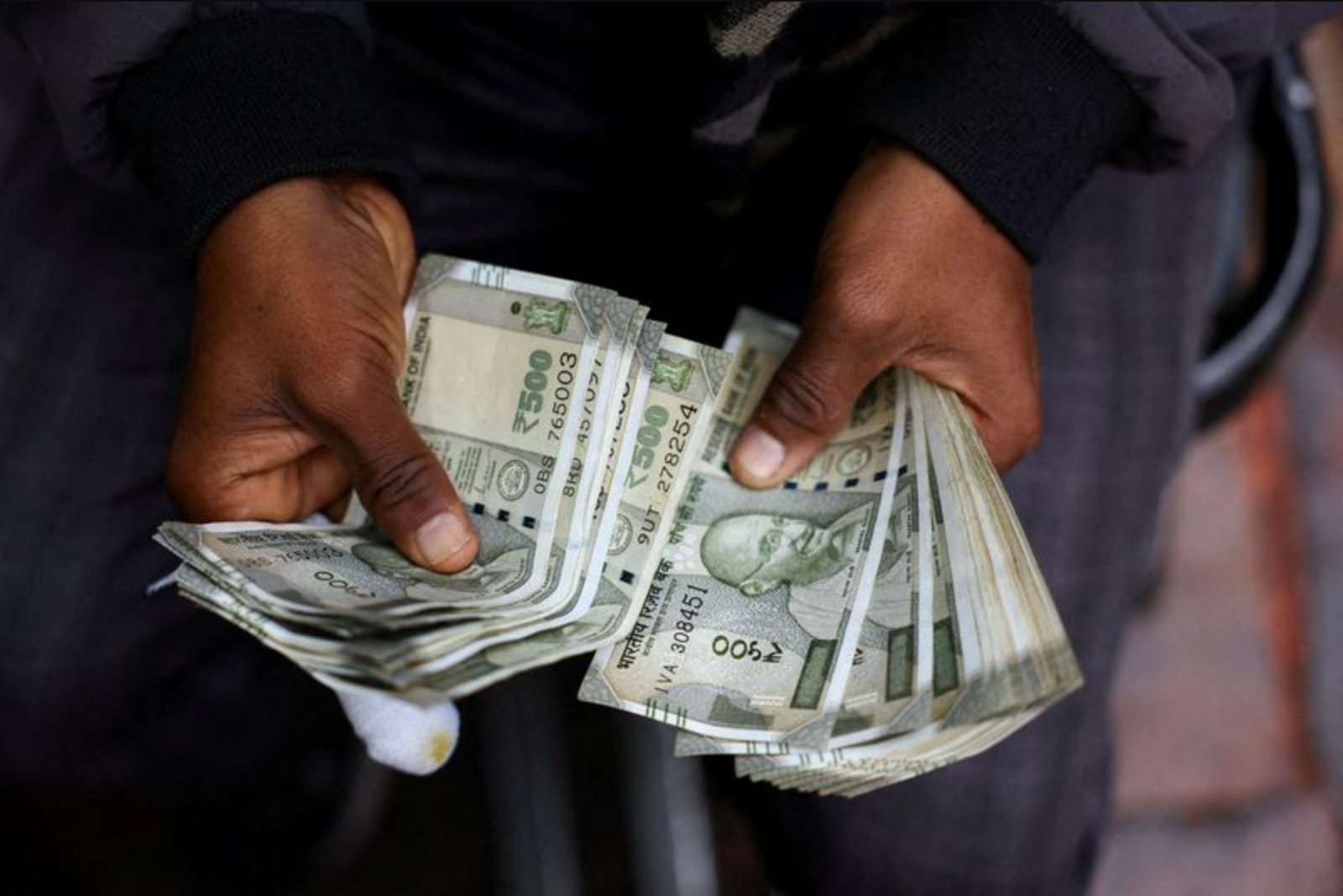
Several Asian currencies have hit fresh lows this month. India’s rupee, Indonesia’s rupiah and the Philippine peso have fallen to record lows against the dollar, while the Japanese yen and the South Korean won have plunged to significant troughs.
"The key problem is Asian currencies were too weak before," said Alicia Garcia Herrero, Asia-Pacific chief economist for Natixis in Hong Kong. "The central banks ... have no instrument," she added, arguing that economies risk slumping and that central banks cannot ease policy further - not only because of inflationary pressures, but because many had already implemented cuts.
The dollar has been among the few safe-haven assets this March, making some of its most pronounced gains in the region. It has strengthened by more than 4% against the South Korean won, the Philippine peso and the Thai baht, compared with a rise of around 1.5% versus the euro.
No easy policy options
There is no straightforward remedy. Measures short of importing additional oil do not fully resolve the squeeze, which is already feeding through to costs for plastics and fertiliser as well as fuel.
Raising interest rates could help defend currencies, but risks throttling domestic demand precisely when growth may need support. Subsidising fuel is another option, yet it can prove costly and politically fraught in emerging markets or in countries with fiscal constraints, potentially unsettling bond investors. Direct intervention in foreign-exchange markets can also be expensive and is often of limited effectiveness against strong, sustained dollar buying.
"I think the crux of the matter is that there are no easy policy options at this stage," said Sonal Varma, Nomura’s chief economist for Asia outside Japan. "Whether it’s the role of currency, monetary policy (or) fiscal policy, there will be some macro variables that will take an impact. Each country will essentially need to choose what is the right trade-off that is palatable in their local circumstances."
In practice, responses have varied. Since the conflict intensified in late February, Australia has raised interest rates. Other authorities across the region have relied on a mix of forward guidance, targeted currency intervention and unconventional measures to blunt sharp petrol-price increases and steady financial markets.
South Korea has turned to its massive national pension fund - the world’s third largest - to lift its hedging ratio and provide support for the won. India and Indonesia have defended their currencies while also altering market mechanics: India capped banks’ currency positions, and Indonesia opened a repo market to access short-term dollars.
Japan has reiterated the possibility of intervention as the yen hovers close to levels not seen in nearly four decades. The Philippines has taken steps including declaring a state of emergency, stepping back from currency intervention which saw its peso fall to a record low, and convening a surprise policy meeting to signal readiness to act.
"I don’t think there is a clear blueprint on how to respond to a crisis like this," said Fred Neumann, chief Asia economist at HSBC in Hong Kong. "I think there is a recognition in Asia that you can’t really change fundamentally the course of exchange rates. All you can do is lean a little bit against the wind."
Reserves and policy room
Most economies in the region hold healthy foreign-exchange reserves and the situation is not directly comparable to episodes that involved pegged currencies and heavy dollar-denominated debt that sparked mass capital flight nearly thirty years ago. India held about $698 billion in reserves as of March 20, the latest available data show, enough to cover more than 11 months of imports. Indonesia and the Philippines each retain foreign-exchange cover sufficient for more than six months of imports.
Still, analysts warn that direct market intervention may struggle to counter intense dollar demand driven by haven flows. That suggests central banks will need to deploy a wider array of tools and tactics.
"Nimbleness is something that is needed from policymakers," Neumann said. "Having unscheduled meetings, having more frequent communication with the market is probably helpful. You don’t want to be overly dogmatic in an environment like this. You need to be clear. You need to be honest in your assessment."
As shortages of fuel and related commodities grow, the choices facing authorities will reverberate across sectors: energy and transport will feel immediate pressure from fuel costs; manufacturing that relies on plastics and resin will face supply and cost disruptions; and financial markets must absorb the policy trade-offs between stabilising currencies and supporting growth.