
Saudi Aramco's chief executive said the oil market faces a lengthy period of imbalance if the Strait of Hormuz remains effectively closed beyond mid-June.
"If the Strait of Hormuz opens today, it will still take months for the market to rebalance, and if its opening is delayed by a few more weeks, then normalization will last into 2027," Amin Nasser told investors on the company's first-quarter earnings call.
Nasser's comments came as diplomatic prospects to reopen the narrow waterway appeared limited. The U.S. and Iran do not seem closer to an agreement to end the conflict and restore traffic through Hormuz. President Donald Trump said Monday the ceasefire with Tehran is on life support after he rejected its counterproposal to end the conflict.
Before the conflict, roughly 20% of the world's oil supplies transited the Strait of Hormuz. According to Aramco's chief executive, Iran has succeeded in shutting the passage since early March, forcing a substantial rerouting of exports and shipping patterns.
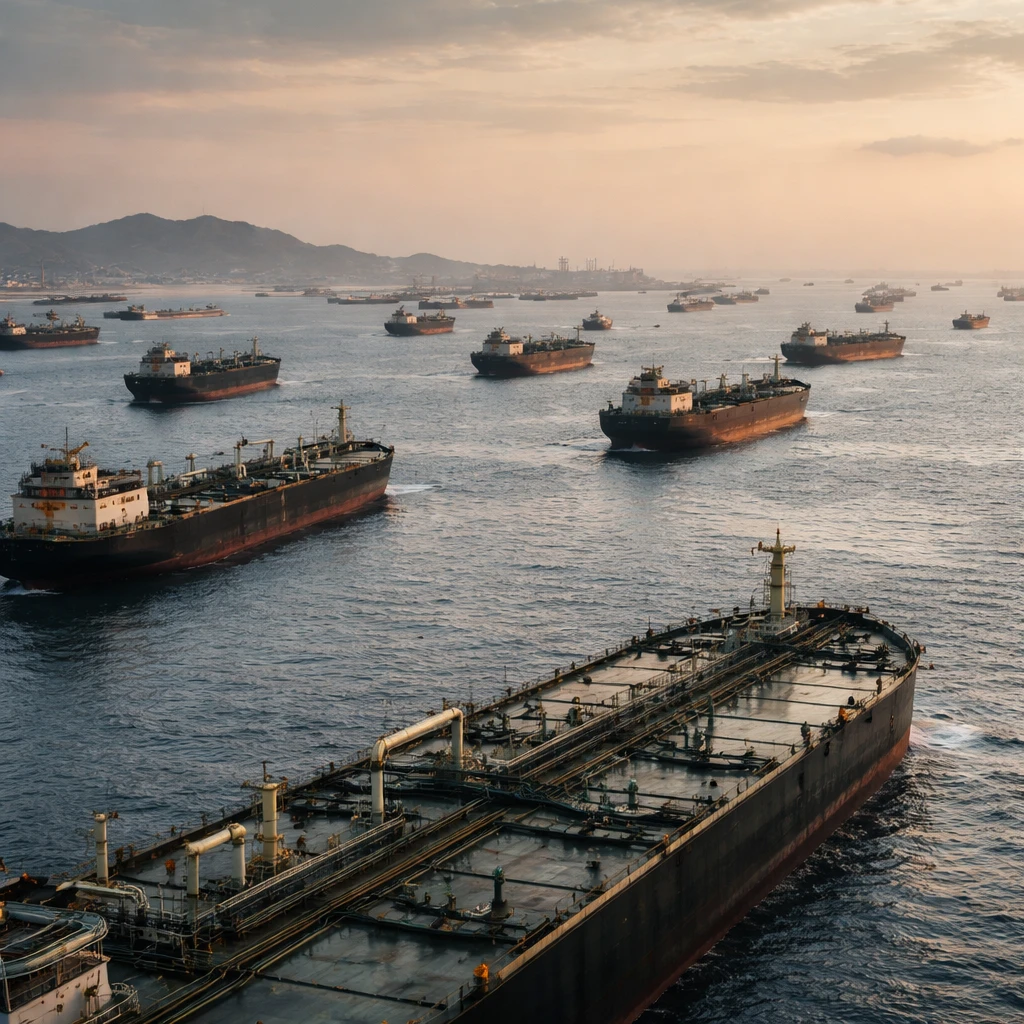
More than 600 vessels - predominantly oil and product tankers - are currently stranded inside the Gulf, Nasser said. In addition, about 240 ships are queued outside the strait. He warned that some of the vessels waiting outside may ultimately depart for other destinations after extended idling.
Those idled and redirected ships have left the global tanker fleet in a distorted configuration, Nasser said. "The fleet is mixed up" with some tankers positioned in the wrong regions, and vessels will need to be repositioned for supply chains to return to normal.
Even under the most optimistic timetable, the CEO added, energy and commodity supply chains will require several months to resume pre-conflict traffic as vessels are rerouted or taken out of long idle periods.
Nasser quantified the immediate supply impact: the market loses about 100 million barrels of supply each week the Strait remains closed. He noted that current daily transits have collapsed to just two to five ships compared with about 70 vessels a day before the war.
In aggregate, the market has already lost more than 1 billion barrels due to the closure of Hormuz, Nasser estimated. That gross loss has been partially offset - bringing the net loss to roughly 880 million barrels - by redirected exports through Saudi Arabia's East-West pipeline and by the release of government strategic reserves.
Aramco's CEO said oil inventories are falling quickly, with products such as gasoline and jet fuel especially affected by the shortfall of supply from the Middle East. "This may reach critically low levels ahead of the summer driving and travel season," he warned.
Describing the situation in stark terms, Nasser said the disruption to shipping through the strait has produced the largest energy supply shock on record.
The unfolding logistics dislocation - a combination of shuttered transit routes, a misallocated tanker fleet and government interventions - underpins Aramco's view that normal market operations will not be restored swiftly even if diplomacy prevails. In the meantime, downstream fuel availability and the timing of vessel redeployments will drive how fast markets recover.