
Background
Andrew Left, the outspoken founder of Citron Research, is set to stand trial in Los Angeles this week on criminal charges that allege he manipulated the stock market and defrauded investors. Federal authorities charged Left in July 2024, saying he used public statements about his trading positions to influence share prices and generate profits. Prosecutors contend his campaign included misleading claims about positions in multiple companies, among them Nvidia and Tesla, and that these actions produced at least $16 million in proceeds.
Allegations Detailed by Prosecutors
According to the indictment, Left amplified his influence through social media and appearances on cable news to promote what he described as his trades. Prosecutors allege that after publicly touting those positions, Left would rapidly and covertly close them, profiting from short-term price moves. The Justice Department also asserts that Left alerted certain hedge funds to his positions ahead of public statements in exchange for compensation, and that he concealed that coordination with the use of fake invoices.
Federal filings indicate the Justice Department expects to call a number of witnesses, including retail investors, as part of its case. The filings do not indicate whether Left will take the stand; his participation as a witness remains unclear.
Defense and Legal Arguments
Left has pleaded not guilty to the charges. In court papers filed last week, his attorneys argued that he "acted in good faith in making honest public commentary" and stressed that no law requires a trader to hold positions for any minimum period. The defense maintains Left's public commentary was protected and legitimate market expression.
Some legal observers have described the prosecution's theory as aggressive. Drew Bradylyons, a founding partner at Armstrong & Bradylyons and a former federal prosecutor, commented that if the government relied solely on the theory that public commentary followed by a rapid change of position constituted fraud, that would be a significant legal stretch. Prosecutors, Bradylyons noted, have supplemented that theory by alleging additional facts in the indictment that aim to show Left knowingly made false statements to profit.
Left's Profile and Notable Targets
For more than a decade Left has been among the most visible of a cohort known as "short activists" who publish research and commentary arguing that specific public companies are overvalued or engaging in fraud. While such activists argue their work exposes corporate wrongdoing, critics accuse some of deploying "short and distort" tactics that unfairly harm companies and their shareholders.
Left's past high-profile targets included the now-defunct China Evergrande, GameStop, Valeant Pharmaceuticals and Shopify. The indictment also cites positions in companies such as Nvidia and Tesla among those tied to the alleged scheme. Prosecutors maintain Left took advantage of his profile to influence market prices and profit from resulting moves.
Trial Logistics and Potential Penalties
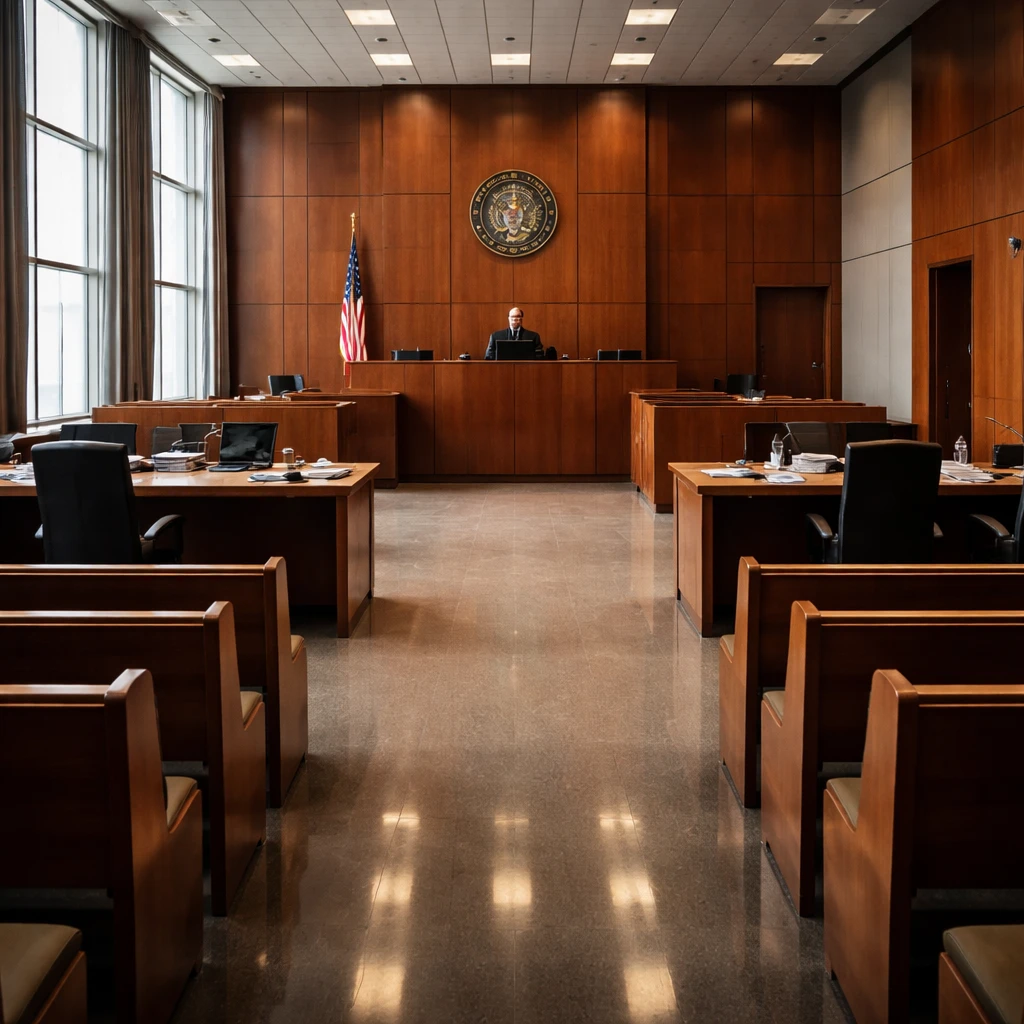
Jury selection is expected to begin on Monday and the trial could last for weeks. If convicted of securities fraud, Left faces up to 25 years in prison, according to the charges. The case represents the culmination of a probe that federal prosecutors in Washington and Los Angeles began in 2019 into certain short-selling practices.
Market and Participant Considerations
The government’s approach places a spotlight on the conduct of activists who leverage media channels to amplify their investment theses. Prosecutors are presenting a narrative that combines rapid trading behavior, compensated coordination with hedge funds, and efforts to hide that coordination as central elements of an alleged fraud. The defense highlights free-speech and conventional market activity defenses, arguing that investors are free to change positions and to comment publicly on securities.
The outcome of the trial will be determined through evidence and witness testimony presented in court. At this stage, the record shows contested factual allegations, denials from the defendant, and differing legal interpretations of the conduct at issue.