
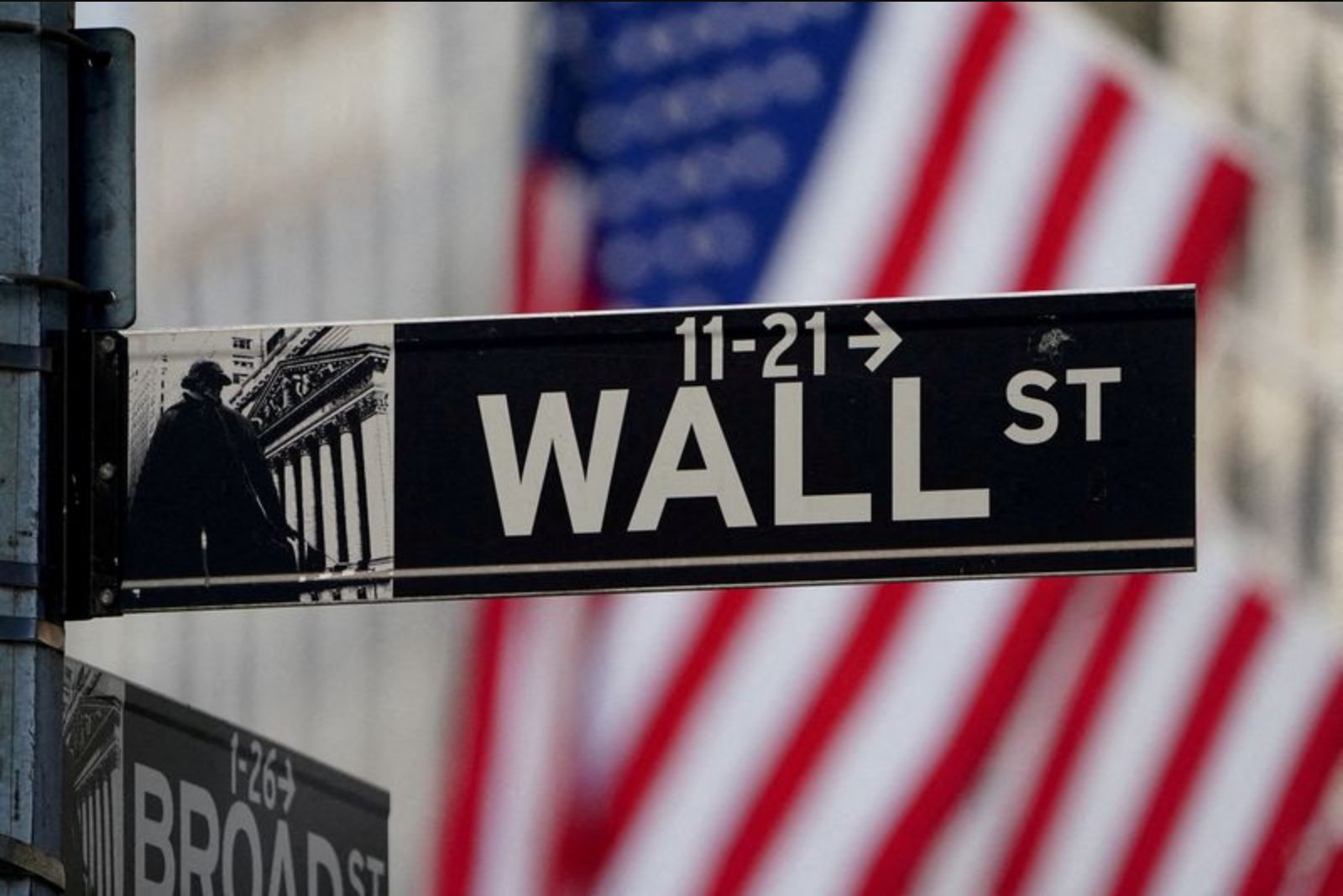
Investment advisors are entering the second quarter cautioning that clients face a widening array of challenges that make near-term planning more difficult. The issues advisors cited include uncertainty over the outcome of war, volatility in energy prices and the repercussions of difficulties in private credit markets. Together, they said, those pressures are complicating portfolio construction and client confidence.
Although an exuberant rally on the final trading day of the first quarter produced the best single-day gain so far this year, it was not sufficient to prevent broad market losses over the quarter. The Standard & Poor's 500 index finished the first three months of the year down 4.6%.
What advisors are seeing
Advisers described a shift in how they think about risk. For many years, the playbook of diversification across asset classes offered investors a dependable approach. That playbook now seems less certain, they said, because a range of headwinds have reduced confidence that historical patterns will repeat.
"Markets can handle bad news," said Mark Stancato of VIP Wealth Advisors in Decatur, Georgia. "What they struggle with is a lack of clarity about policy direction and end goals. That’s what we’re seeing, not just equity volatility but a broader sense that outcomes are hard to model."
Advisors pointed to the unusual pattern in the first quarter in which both equities and fixed income moved lower. Yields on the 10-year U.S. Treasury climbed from as low as 4.01% in early March to as high as 4.44% in the closing days of the month, eroding the traditional bond cushion to equity losses. Even gold, which often serves as a safe haven, tumbled 13% in March - the worst monthly result for the metal since October 2008, according to the figures advisors cited.
"This is one of the toughest economic/market situations I’ve ever seen," said Lisa Kirchenbauer, an advisor at Omega Wealth Management in Arlington, Virginia. The combination of weak returns across major asset classes and rising intra-day swings has made for a difficult backdrop.
Jim Carroll, senior wealth advisor at Ballast Rock Private Wealth in Charleston, South Carolina, said that intra-day volatility grew in the first quarter, which masked the fact that larger market moves had been relatively orderly when viewed over the full period.
Behavioral and macro concerns
Some advisers worry that the accumulation of pressures could alter spending and investment behavior among high-net-worth households. Matt Dmytryszyn, chief investment officer at Composition Wealth, said he fears cumulative headwinds could prompt these families to curtail spending, which in turn could weigh on overall economic activity.
Dmytryszyn cautioned there is a risk that growth drivers could stall. He said that in such a scenario the economy and markets would lean more heavily on productivity gains from AI adoption and on spending by higher-income consumers. "If either of those falter, we could see a two-phase equity market decline, one driven by the fear and impact of the war with Iran, with a second stemming from a U.S. economic recession," he said.
Another concern among advisors is the prospect of stagflation - a combination of elevated inflation and stagnant growth. David Haas of Cereus Financial Advisors in Franklin Lakes, New Jersey, said he is wary of that outcome. "I am not expecting 7% inflation, but it’s likely to be north of 4%," Haas said. He highlighted how higher oil prices and supply chain disruptions could slow economic growth - not necessarily triggering a recession, but potentially bringing activity close to that threshold.
For some advisors the key issue is that simultaneous weakness in both stocks and bonds echoes the dislocations of 2022, when investors struggled to find a safe haven. "Simultaneous weakness in both stocks and bonds has exposed the limits of the traditional 60/40 cushion investors have counted on for decades," said Jon Ulin of Ulin & Co Wealth Management in Boca Raton.
Client reactions and communication challenges
Advisers also reported difficulty in gauging client sentiment. Several said the breadth and scope of issues they must address have increased, and that uncertainty appears to be taking a toll on client responsiveness. Kirchenbauer said she is concerned that her clients are not engaging with communications as they used to and questioned whether they are "numb, overwhelmed, petrified?"
Jim Carroll noted that while intra-day volatility rose, declines were orderly over the quarter when viewed cumulatively. Nevertheless, the broader sense among advisors is that the current environment complicates the modeling of likely outcomes, making planning and communication more challenging.
Commercial data tools and investment research
Some advisors and market participants emphasize the role of better data and analytics in navigating this environment. One commercial product highlighted in market commentary positions institutional-grade data and AI-powered insights as a way to reduce analysis paralysis and help identify investment ideas. The claim is that such tools can improve the odds of finding stronger opportunities, while acknowledging they do not guarantee winners.
The combination of geopolitical uncertainty, energy price risk, and private credit strains has left advisors preparing clients for a period where traditional risk assumptions may be tested. Whether through tighter spending by affluent households, a potential slowdown from higher oil and supply disruptions, or the erosion of the 60/40 mitigation strategy, advisers say the path ahead is clouded and will require active communication and reassessment of portfolio assumptions.