
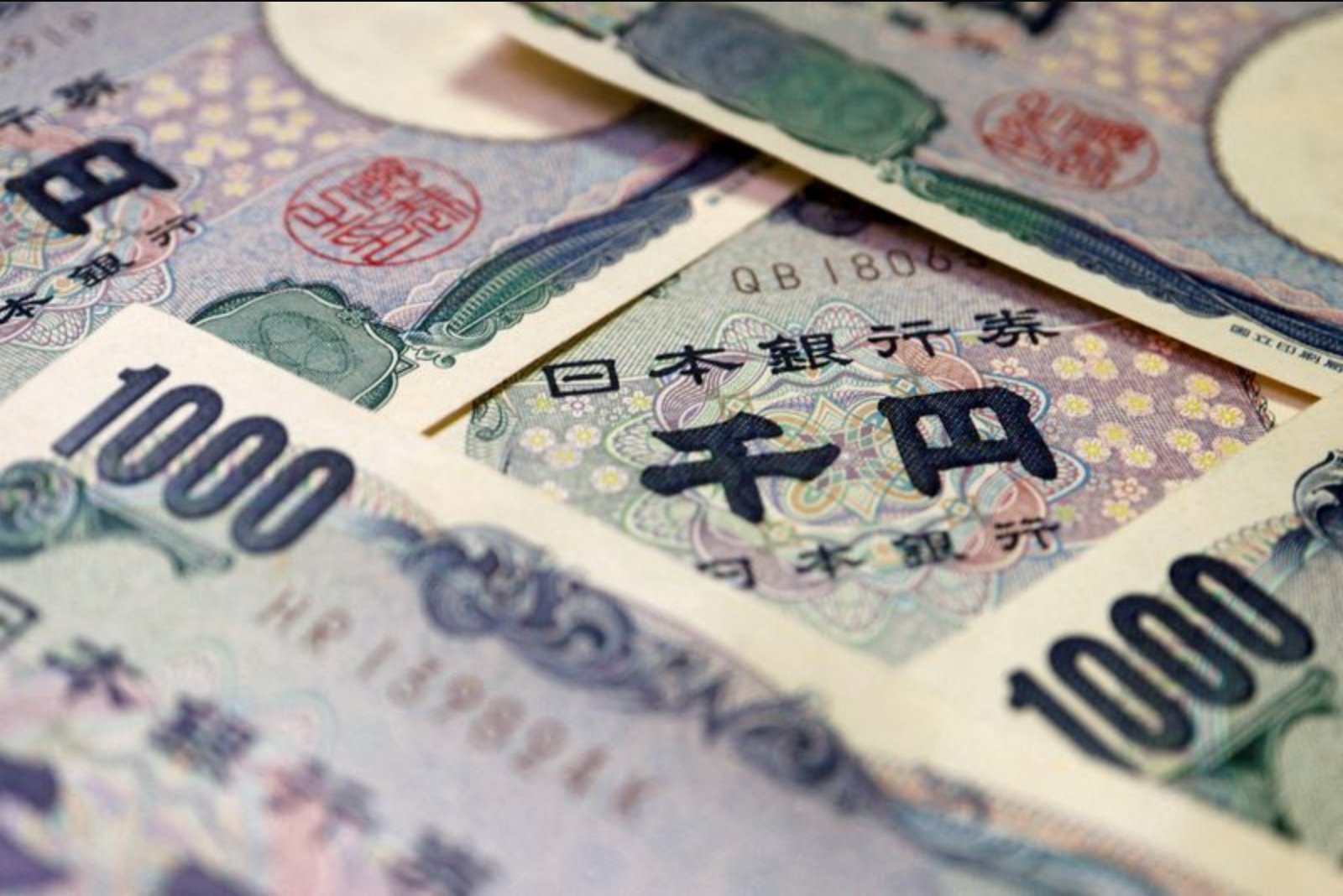
Japan's currency jumped decisively and exerted downward pressure on the U.S. dollar across global markets as investors reacted to growing talk of coordinated currency action between Tokyo and Washington. The move intensifies debate over the possibility of the first joint U.S.-Japan intervention in 15 years.
After an initial sharp move late last week when the New York Federal Reserve contacted market participants to check prevailing rates, the yen extended its gains on Monday in Asian trading, appreciating a further 1.2% to 153.89.
Other markets moved with the currency shock. The euro climbed to levels not seen in four months, while precious metals surged to new records, with silver surpassing $100 an ounce and gold rising above $5,000 an ounce in nominal terms.
Market commentary highlights how official comments and close communication between authorities have changed trading incentives. Prashant Newnaha, senior Asia-Pacific rates strategist at TD Securities in Singapore, said that public statements by political figures and limited remarks from officials - coupled with confirmation that the finance ministry is in close contact with the U.S. Treasury - prevent the market from ruling out foreign exchange intervention by both governments.
"Takaichi's jawboning and Mimura's limited commentary but confirmation that the (finance ministry) is in close contact with the U.S. Treasury means the market is unable to rule out FX intervention by both Japan and the U.S. The market's inclination is to short the yen but the possibility of coordination means it no longer is a one-way bet."
Carlos Casanova, Asia senior economist at UBP in Hong Kong, noted the changing calculus for traders who had been short the yen. He said the attractiveness of those positions has been reduced because risks now run in both directions, and that the mere expectation of potential intervention can itself support the currency.
"The appeal of recent short yen positions appears to be diminishing due to the presence of two-sided risks. The mere expectation of potential intervention could, in itself, contribute to some strengthening of the currency. The Japanese yen is likely to stabilize to some extent - though the catalysts for significant appreciation remain limited - while long-term yields are expected to face continued pressure at their current elevated levels."
Traders and analysts are therefore revising risk assessments for positions that had assumed a continued one-way drift lower in the yen. The combination of official jawboning, confirmed contact between finance authorities, and recent rate checks has increased the perceived chance that authorities could act to influence exchange rates, reducing the straightforwardness of short-yen strategies.
Market impacts noted in this report include:
- Sharp appreciation of the yen and its downward pressure on the U.S. dollar.
- Euro reaching four-month highs against the dollar.
- Record nominal price moves in precious metals such as silver and gold.