
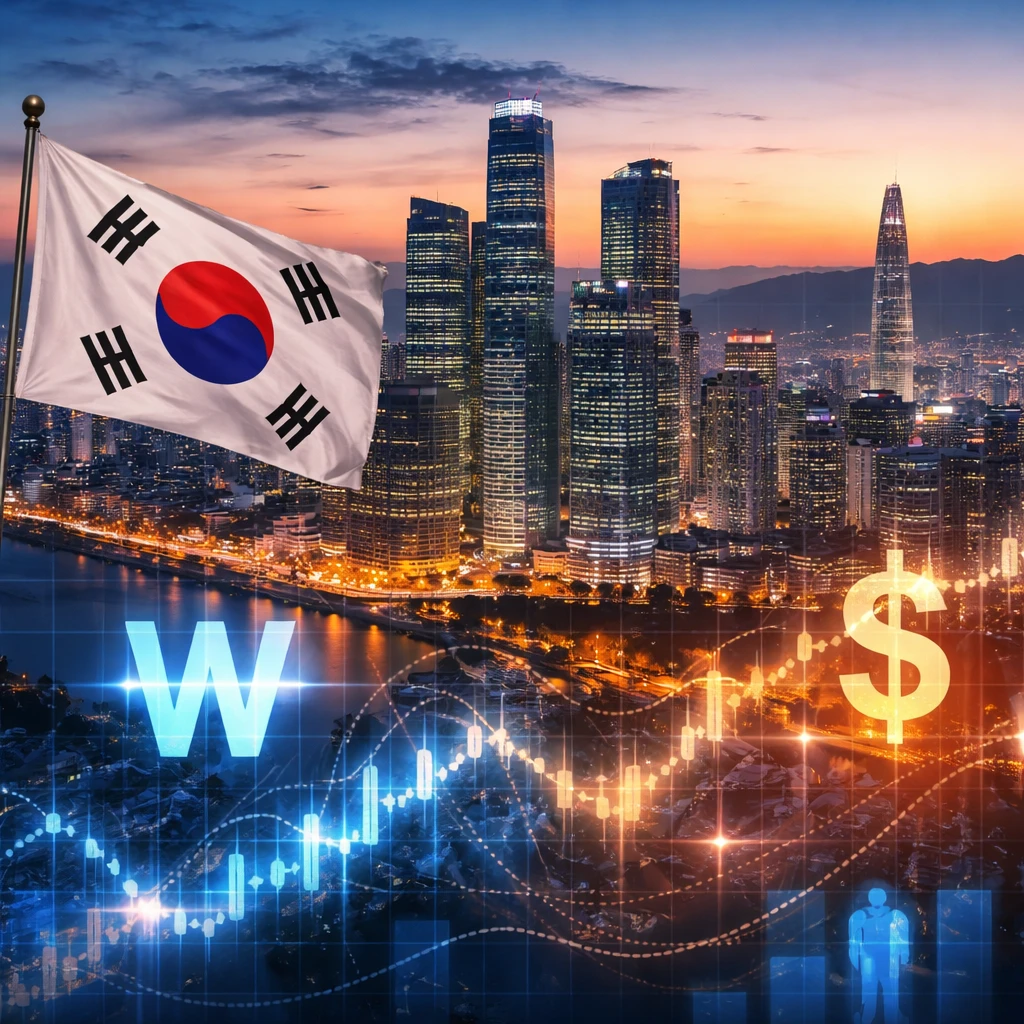
South Korea's commitment to channel $350 billion into key American strategic sectors, framed within a bilateral trade accord, is unlikely to see substantial activity starting in the first six months of 2026, according to Finance Minister Koo Yun-cheol. This stance reflects cautious optimism designed to mitigate significant dollar capital outflows given the won's fragility.
Under the agreement, which followed negotiations involving the rollback of tariffs formerly imposed during President Donald Trump's tenure, South Korea agreed to make substantial investments in the U.S., while the U.S. placed an annual cap of $20 billion on outbound dollar investments from South Korea. When questioned about the timing of these investments beginning, Koo remarked, "It’s unlikely" they will initiate within the early months of the year.
He elaborated, citing the multifaceted nature of potential projects such as nuclear power facilities. "Even if a nuclear power plant gets selected, there will be procedural steps including site selection, design, and construction phases, so initial capital flows will probably be substantially less than the annual limit," Koo explained.
This cautious outlook is tempered by prevailing external currency pressures, particularly the won's depreciation to fresh lows unseen since the global financial crisis era of 2007-2009. Despite robust export activity and a significant rally in South Korea's stock indices, which climbed 76% last year, the currency's slide to around 1,473.8 to the dollar has caused unease among policymakers.
Minister Koo warned market participants against testing governmental resolve. He noted, "There is depreciation pressure in the foreign exchange market that is somewhat larger than anticipated," underscoring that the government is prepared to enact market stabilization policies swiftly to prevent destabilizing, herd-like currency sell-offs, remarks signifying zero tolerance for speculative attacks on the won.
Relations with the United States underscore this dynamic, with U.S. Treasury Secretary Scott Bessent acknowledging that won movements do not reflect South Korea's underlying economic fundamentals. Koo emphasized that the U.S. recognizes Seoul's proactive measures aimed at bolstering the currency, which include mobilizing the National Pension Service to sell dollars and encouraging exporters to repatriate more foreign earnings.
Looking ahead, the South Korean government intends to expedite legislative and procedural groundwork to operationalize the investment package. Parliament is expected to commence deliberations in February on a previously proposed bill establishing a special fund to finance these initiatives. Nonetheless, Koo indicated that uncertainties linger, notably surrounding anticipated U.S. judicial decisions relating to past tariffs, which may influence the timeline and scope of investment activities.
While no projects have been formally agreed upon, prospective initiatives could encompass nuclear power plant developments, as suggested by U.S. Commerce Secretary Howard Lutnick. The Finance Minister acknowledged that despite efforts to support the won, those interventions have yet to dislodge the currency significantly from psychological thresholds, such as the 1,500 level against the dollar.
Koo also pointed to the strong demand for dollars from Korean investors diversifying into overseas equities, driven in part by an expanding interest rate differential with the U.S., which has reached two percentage points—the largest gap since 1999.
The current situation presents a complex interplay between strategic international investment commitments and domestic currency management amid global economic headwinds. South Korea seeks to balance its international trade and investment obligations with maintaining financial market stability and currency resilience.