
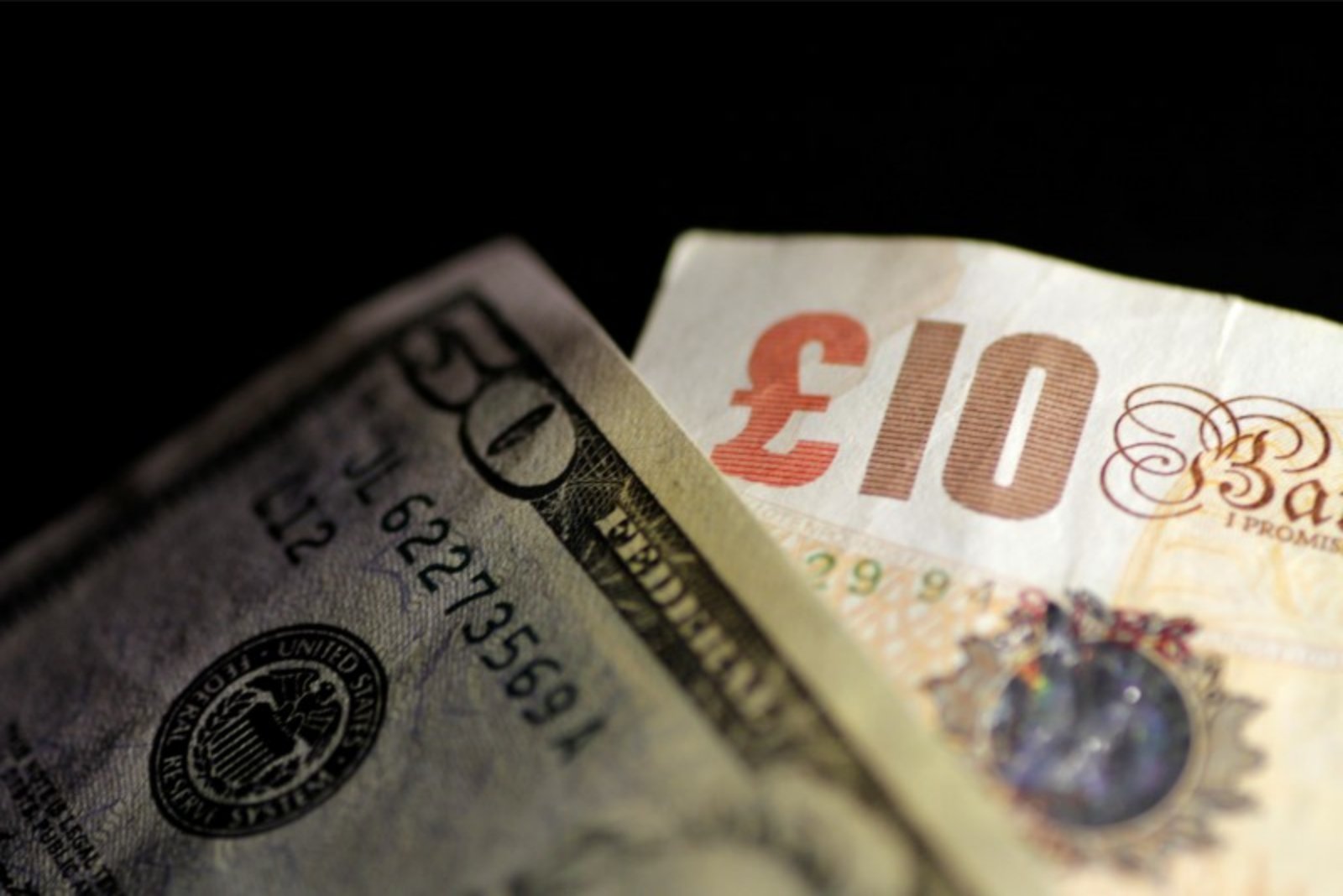
The pound weakened on Thursday, slipping about 0.7% to trade near $1.3212 as of 04:05 ET (08:05 GMT). The move came as the U.S. dollar firmed following what market participants described as a "new wave of escalation" in the Middle East, reversing earlier positioning that had been tied to hopes for de-escalation.
Alongside the geopolitical shift, comments from Bank of England Governor Andrew Bailey added to sterling's downward pressure. Bailey said markets were "getting ahead of themselves" in pricing a series of rate hikes this year. Those remarks came after a sharp advance in short-dated UK rates: two-year swap rates rose by more than 100 basis points last month.
"Getting ahead of themselves"
Analysts noted that the combination of heightened geopolitical risk and the reassessment of near-term UK rate expectations has helped bolster the dollar as traders unwound positions tied to expectations of easing global tensions. The euro also lost ground, with EUR/USD slipping back toward the 1.150 level after earlier trading above 1.160, a move similarly linked to the shift in geopolitical developments and a rebound in oil prices.
Oil moved back above $100 per barrel during the same session, a factor cited by market participants as one influence on currency moves amid the wider risk repricing.
Market commentary cited incoming data as a potential moderator of rate expectations. ING said the recent rise in rates had "clearly damaged both business and consumer confidence," and suggested that expectations for further tightening could be pared back depending on upcoming data releases, including a survey of corporate pricing and wage expectations.
Focus in the United States remains on labour market data due later, with consensus expectations for non-farm payrolls set at 65,000, compared with 62,000 in the latest ADP release. ING’s internal estimate stands at 60,000, while the Bloomberg whisper number sits at 40,000. The unemployment rate is expected to remain at 4.4%, with market participants noting that any increase could have an outsized impact.
Analysts said the earlier period of dollar softness was largely driven by hopes of de-escalation in the region, but that a sustained decline in the dollar would require clearer developments around the Strait of Hormuz, a situation that remains uncertain. Traders also warned that reduced liquidity into the end of the week because of Easter holidays could amplify market moves.
Market implications
- Currency markets saw sterling and the euro weaken while the dollar strengthened.
- Higher oil prices and geopolitical risk have been cited as contributing factors to risk repricing.
- Short-dated UK rates have moved sharply higher, drawing commentary on confidence and the plausibility of further tightening.