
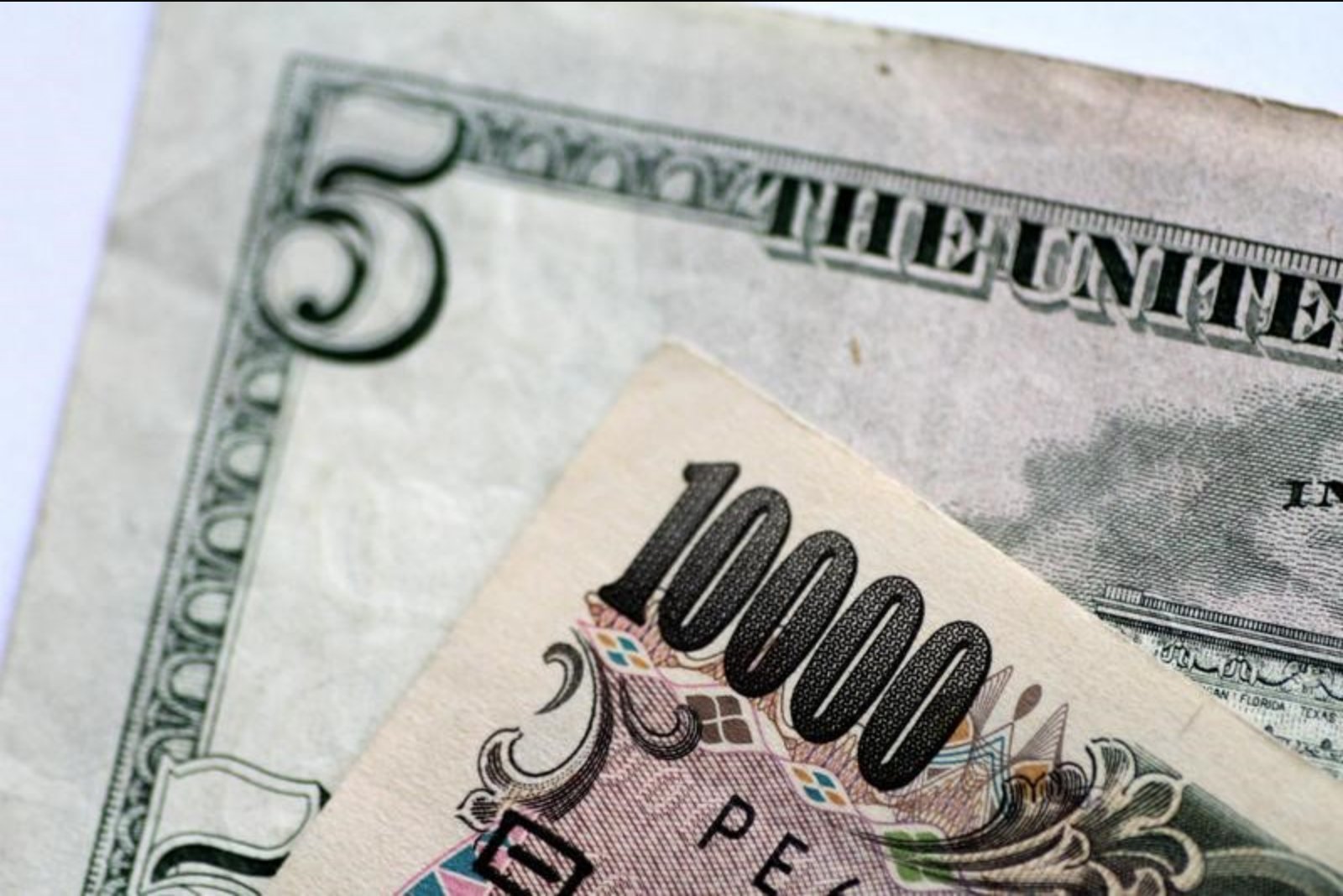
Currency markets reacted strongly after a rate check by the New York Federal Reserve late last week, sending USD/JPY sharply lower and increasing calls among analysts for potential coordinated intervention. At 08:00 ET (13:00 GMT), the pair traded about 1% lower at 154.20, extending a prior 1.7% decline from Friday and marking the yen's strongest showing since late November.
Bank of America Securities highlighted the significance of the New York Fed’s verbal role in FX market activity. In a note dated Jan. 25, the bank said that the Fed’s FX desk acted in its capacity as agent for the U.S. Treasury, an action that represents a new and potentially meaningful development for market participants who had already been on alert for intervention in Japan.
"While the market had been on intervention watch for some time in Japan, the verbal presence of the New York Fed’s FX desk (acting in their role as agent for the U.S. Treasury) was a new and possibly significant development," the bank wrote.
BofA argued that the likelihood of coordinated intervention has risen noticeably if the yen’s depreciation resumes. The bank characterized this change as indicative of a more activist posture from the U.S. Treasury, and outlined several plausible objectives that could be driving the Treasury’s presumed rate checks.
Those objectives, according to BofA, include:
- Weakening the U.S. dollar or preventing further dollar appreciation to support U.S. trade competitiveness;
- Backing U.S. Treasury markets, given that coordinated FX intervention generally works better than unilateral efforts;
- Using FX posture as a diplomatic tool to support Japan, an important U.S. ally, in exchange for cooperation on broader policy priorities, including Japan’s commitment to invest $550bn in the U.S. and potential increases in defense spending.
The bank said it likely these factors are operating together, but emphasized that the dominance of any single motive matters for market implications. If weakening the dollar is the primary aim, BofA said, the chance of actual intervention rises materially and would carry broader bearish implications for the dollar. For now, the bank views the Fed’s involvement as one important factor among others, rather than the prevailing driver.
Looking ahead, BofA expects the prospect of continued rate checks to help keep USD/JPY below the 160 level in the near term, particularly through the Feb 8 election. However, the bank also signaled that the longer-term uptrend in USD/JPY could resume later in the year, potentially prompting unilateral action by Japan’s Ministry of Finance in the spring.
Underpinning BofA’s outlook is an assumption of two Bank of Japan rate hikes and two Federal Reserve rate cuts in 2026, which the bank believes would contribute to keeping USD/JPY under 160. Still, it noted that strong U.S. economic performance and structural capital outflows from Japan could drive USD/JPY higher despite unilateral measures, and under such conditions the likelihood of coordinated intervention would increase - provided U.S. inflation remains contained.
Note: This report summarizes the views and analysis presented in the Bank of America Securities note dated Jan. 25 and observed market moves in USD/JPY around the same period.