
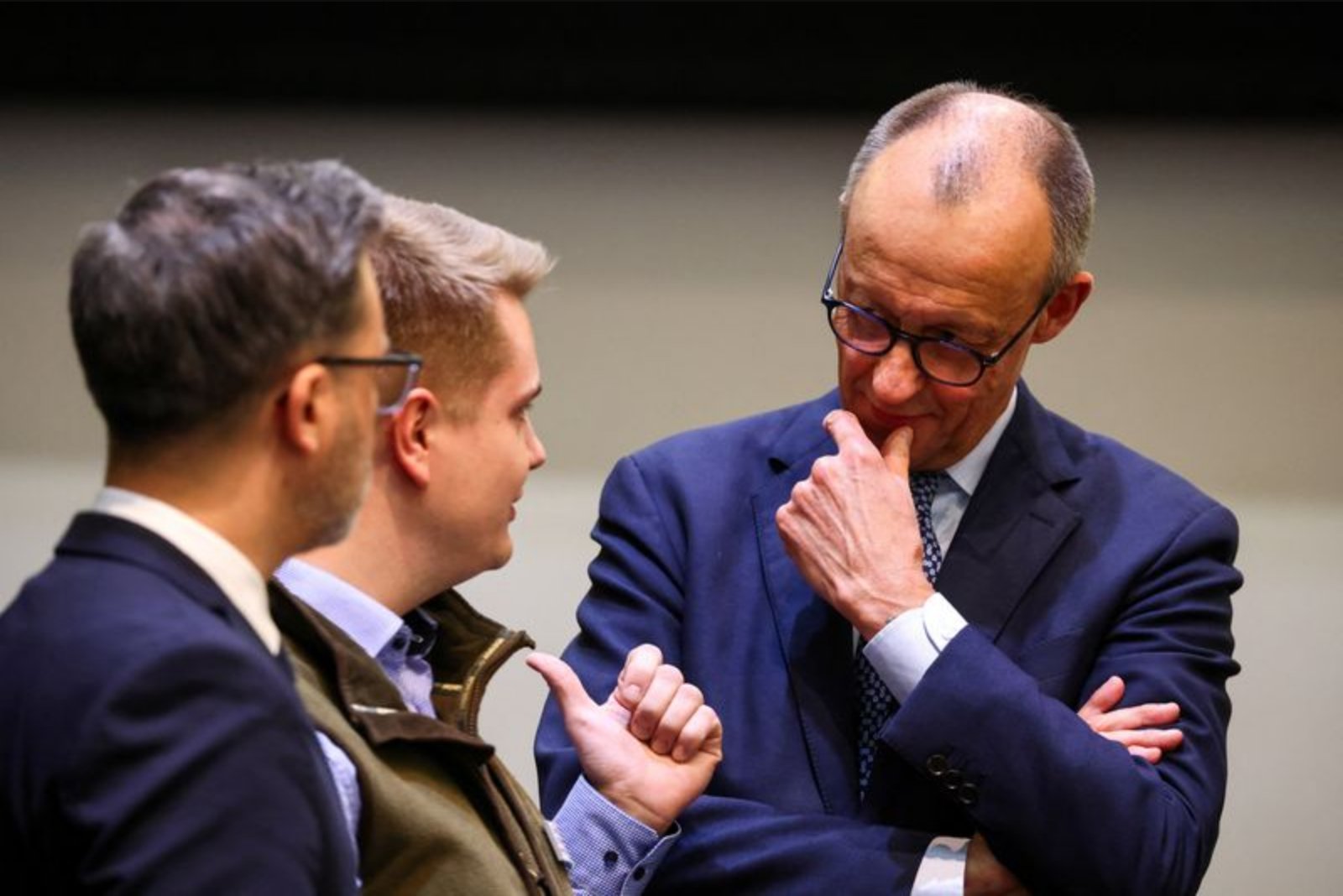
Jan 28 - Chancellor Friedrich Merz said he has been monitoring the dollar's decline with concern and described the currency's trajectory as an "extra burden" for Germany's export-oriented economy. He made the remarks at a news conference in Berlin ahead of a coalition meeting, warning that the weak dollar is weighing on exporters.
Merz's comments came as the dollar fell to a four-year low, at times trading beyond the 1.20 level against the euro. When questioned about the currency's recent drop, U.S. President Donald Trump dismissed worries, saying the value of the dollar was "great."
The chancellor's observations reflected similar statements from Dirk Jandura, head of the BGA, Germany's wholesale and foreign trade association. Jandura said a stronger euro increases the price of German goods on international markets and is creating "great concern" among exporters.
"A strong euro makes German products more expensive on world markets and makes competitivity problems more severe," Jandura said. He highlighted that mid-sized exporters with narrow profit margins are particularly vulnerable because they often lack the capacity to absorb or hedge exchange rate risks.
Germany's economy, which relies heavily on exports, has faced challenges in recent years. Growth moved into positive territory last year after two years of recession, but exporters are contending with rising competition from China and an uncertain global backdrop as the euro has strengthened against the dollar.
Against this backdrop, Merz and Finance Minister Lars Klingbeil urged a swift political agreement on the creation of a digital euro. They said a digital currency issued by the euro area would help consolidate the euro's role in global markets and reduce dependence on fluctuations in the dollar rate.
"We want to push for the euro to be accepted as a leading currency in the world next to the dollar. That would also reduce our dependence on the dollar rate," Merz said, reiterating the government's view that enhancing the euro's international standing is a priority.
Context and implications
The comments from political and trade leaders underline a shared concern: a rising euro, driven in part by weakness in the dollar, can make German-manufactured goods more expensive abroad and squeeze margins, especially for medium-sized firms that form the backbone of the country's export sector. The push for a digital euro is presented as a potential tool to strengthen the euro's position globally and to mitigate exposure to dollar movements.