
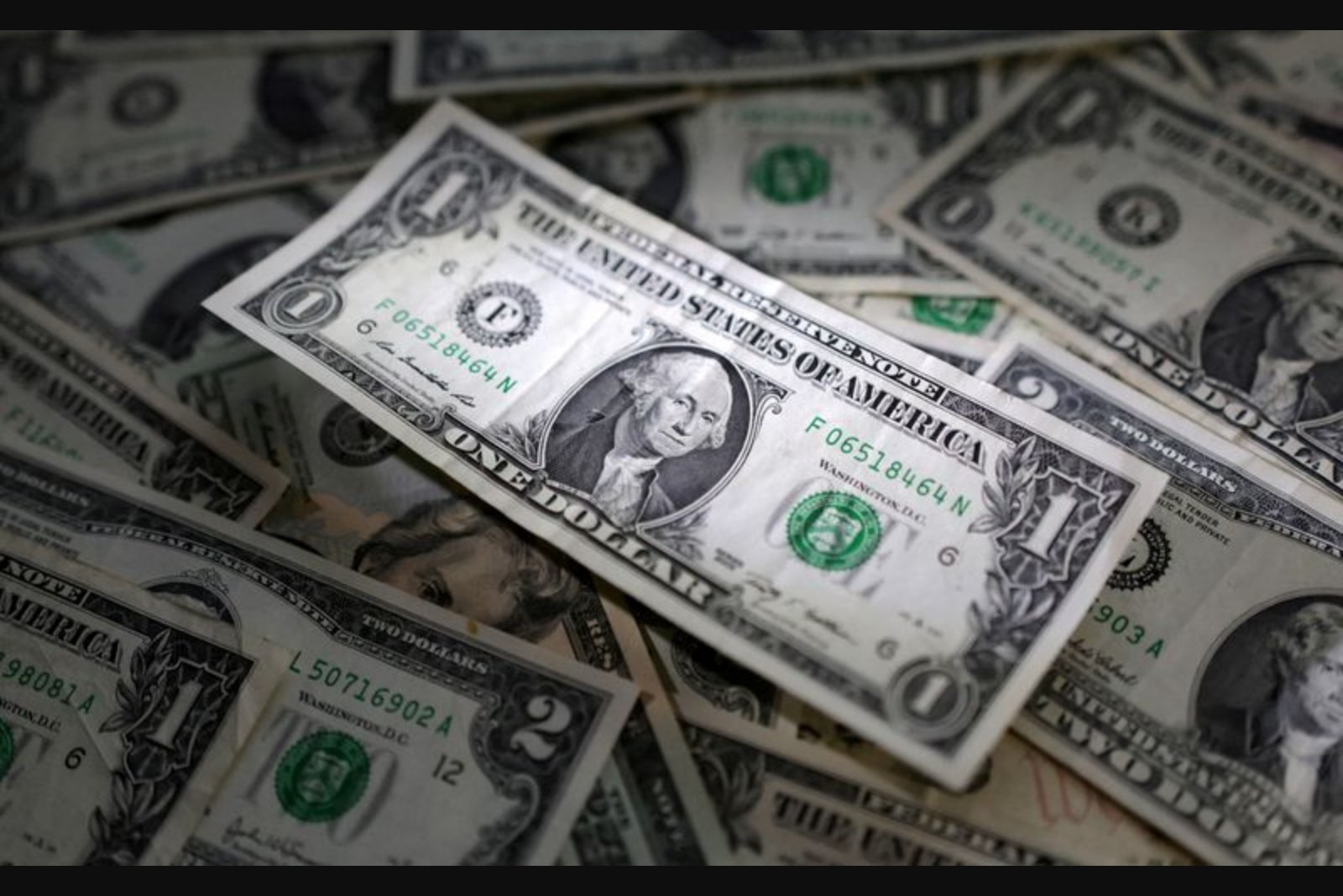
At a public event in West Palm Beach, Ken Griffin, founder of Citadel, said the U.S. dollar has lost some of its appeal among investors over the past 12 months. Griffin noted that recent volatility in the currency included a slide to a four-year low last week amid investor concerns over factors such as volatile fiscal policy and expectations for further Federal Reserve rate cuts.
Speaking at the WSJ Invest Live event in Florida, Griffin framed the United States as "one of the great safe harbors in the world," and said the country continues to assert geopolitical strength in many positive ways. Even so, he added that the currency had been affected by policy decisions and public statements made by the administration.
"Policies relating to tariffs, some of the rhetoric from the administration, have taken some of the shine off of the dollar," Griffin said.
Griffin used the platform to press for improved fiscal discipline. He specifically called for actions that would address the borrowing that financed pandemic-era spending, saying there needed to be an increase in fiscal responsibility and steps to pay down government debt that had been incurred during that period.
On the labor market, Griffin described conditions as "reasonably robust." He observed that some of the employee hoarding that occurred in the aftermath of Covid-19 was beginning to unwind as firms adjusted their staffing levels.
Addressing whether advances in artificial intelligence are responsible for recent job reductions, Griffin suggested that while AI is receiving some of the blame, businesses have not yet realized the productivity gains from the technology that would, in his view, lead to widespread layoffs.
Griffin also addressed central bank leadership and White House decision-making. He applauded the naming of Kevin Warsh as the next chair of the Federal Reserve and commended President Donald Trump’s approach to selecting who would lead the U.S. central bank. "The choice by the president here is a powerful assertion that the Fed will maintain needed independence in policy decision-making," he said.
At the same time, Griffin voiced criticism of some business dealings tied to the president and members of his family while in office. Asked about overseas investments into Trump crypto ventures, Griffin said: "One of the things that you want to believe is that those who serve the public interest have the public interest at heart in everything they do. And, I think, that this administration has definitely made missteps in choosing decisions or courses that have been very, very enriching to the families of those in the administration."
He expressed concern about a more active role for the U.S. government in the economy, cautioning against the state buying stakes in private companies. Griffin said the country has an "incredible venture capital community," and warned that government involvement risks creating incentives for CEOs to "have to, in some sense, suck up to one administration after another."
While Griffin emphasized that his primary focus remains on running Citadel, he acknowledged that his role has provided opportunities to offer input on policy under both Republican and Democratic administrations. He did not rule out a future in public office, saying, "I like to believe that, at a future point in my life, I will be involved in public service."
The comments from Griffin covered currency markets, fiscal policy, labor dynamics, technology, central bank leadership, and questions about the appropriate scope of government involvement in private enterprise, reflecting a broad set of concerns about economic management and governance.