
Currencies January 14, 2026

Japanese Yen Faces Pressure Amid Prime Minister Takaichi's Snap Election Announcement

Markets React to Potential Shift in Monetary Policy as Yen Dips Below Key Threshold

By Hana Yamamoto
Japanese Yen Faces Pressure Amid Prime Minister Takaichi's Snap Election Announcement

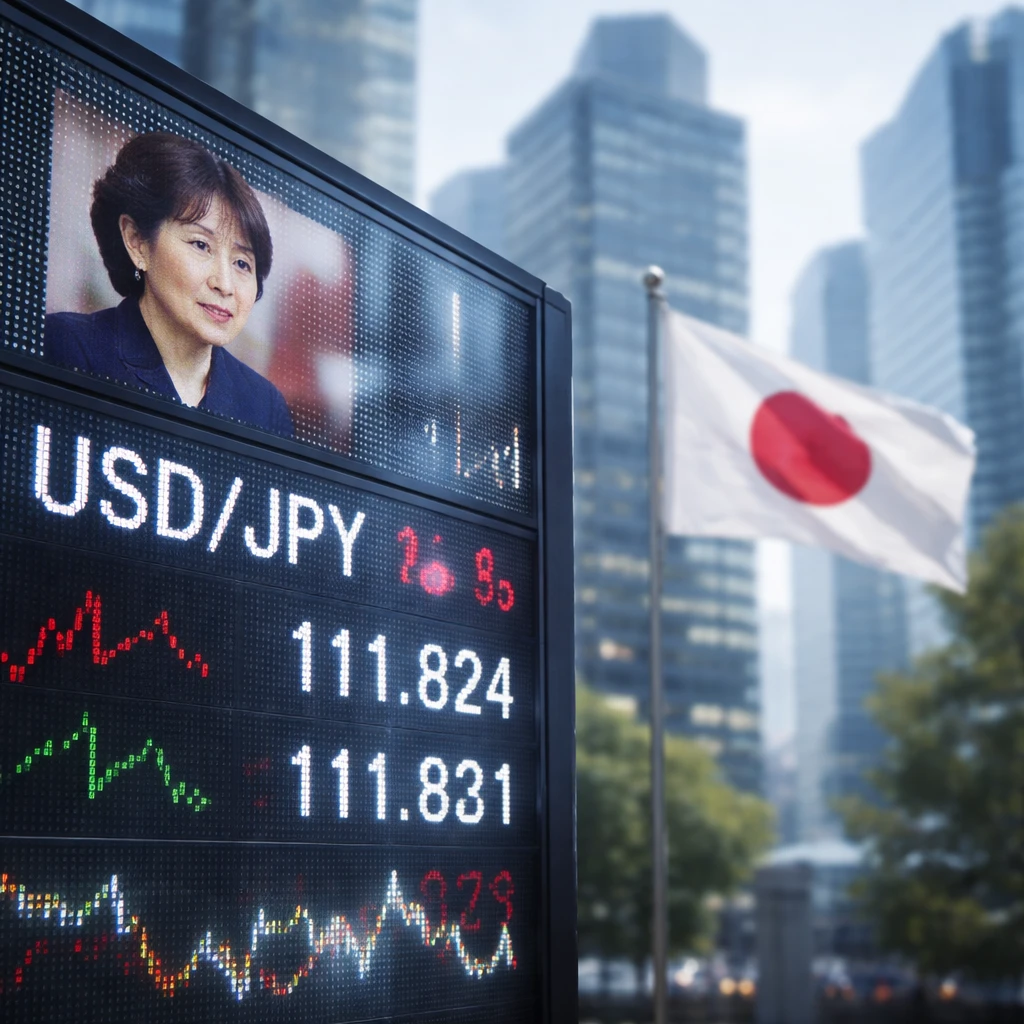
The Japanese yen weakened following Prime Minister Sanae Takaichi's announcement of a forthcoming snap election, provoking concerns about sustained loose monetary and fiscal policy. The dollar retreated slightly against the yen from earlier peaks, while market participants remain watchful for possible intervention by Japanese authorities to stabilize the currency.

Key Points

  • Prime Minister Sanae Takaichi’s plan to call a snap election has weakened the yen due to expectations of continued loose monetary and fiscal policy.
  • The U.S. dollar rose near a key exchange rate level of 160.00 yen but subsequently declined slightly, reflecting market caution.
  • Japanese authorities are closely monitoring the currency market and may intervene to support the yen if necessary.

On Wednesday, the Japanese yen experienced a decline after Prime Minister Sanae Takaichi revealed plans to call a snap election next month. This political move aims to reinforce her position but simultaneously sparked apprehension about the future direction of Japan's monetary and fiscal policies.

The U.S. dollar initially climbed close to a critical threshold of 160.00 yen, before easing back by 0.3% to 158.59. This pullback highlights market sensitivity to the yen’s fluctuations amid growing uncertainty.

City Index analyst Fiona Cincotta observed that Takaichi's intention to hold early elections is perceived negatively for the yen because she is a proponent of continued loose monetary and fiscal measures. These policies tend to apply downward pressure on the currency, reducing its appeal to investors.

Following initial sharp declines in the yen prompted by speculation about the snap election, the currency regained some strength as traders exercised caution, mindful of the possibility that Japanese authorities might intervene to support the yen.

Cincotta further remarked on the vigilance among market participants, noting that authorities are expected to take action if the dollar approaches or breaches the psychologically significant 160 yen level. Such intervention efforts reflect the recent trend of close monitoring by Japanese officials aimed at mitigating excessive exchange rate volatility.

In recent months, the yen has been under considerable pressure due to these ongoing policy dynamics and external market factors, prompting regulators to stay vigilant for opportunities to stabilize currency values.

Risks

  • Takaichi’s policies favoring loose monetary and fiscal conditions could prolong yen weakness, affecting the broader financial and export sectors.
  • Potential market interventions create uncertainty for currency traders and international investors, impacting foreign exchange markets.
  • Political developments from the snap election may introduce volatility in the Japanese economy and related sectors.

More from Currencies

Apollo Economist Flags Risk of Rapid Yen Carry Trade Unwind Feb 2, 2026 Dollar Extends Post-Nomination Rally as Markets Weigh Fed Direction Feb 2, 2026 Bitcoin Slides Below $80,000 as Ether Drops Sharply; Dollar Firm on Fed Chair Pick Jan 31, 2026 UBS Urges Caution as Dollar’s Slide Meets Political Headwinds and Mixed Economics Jan 30, 2026 Morgan Stanley Sees EUR/USD Reaching 1.23 in Q2 2026 as Dollar Faces Unconventional Pressure Jan 30, 2026