
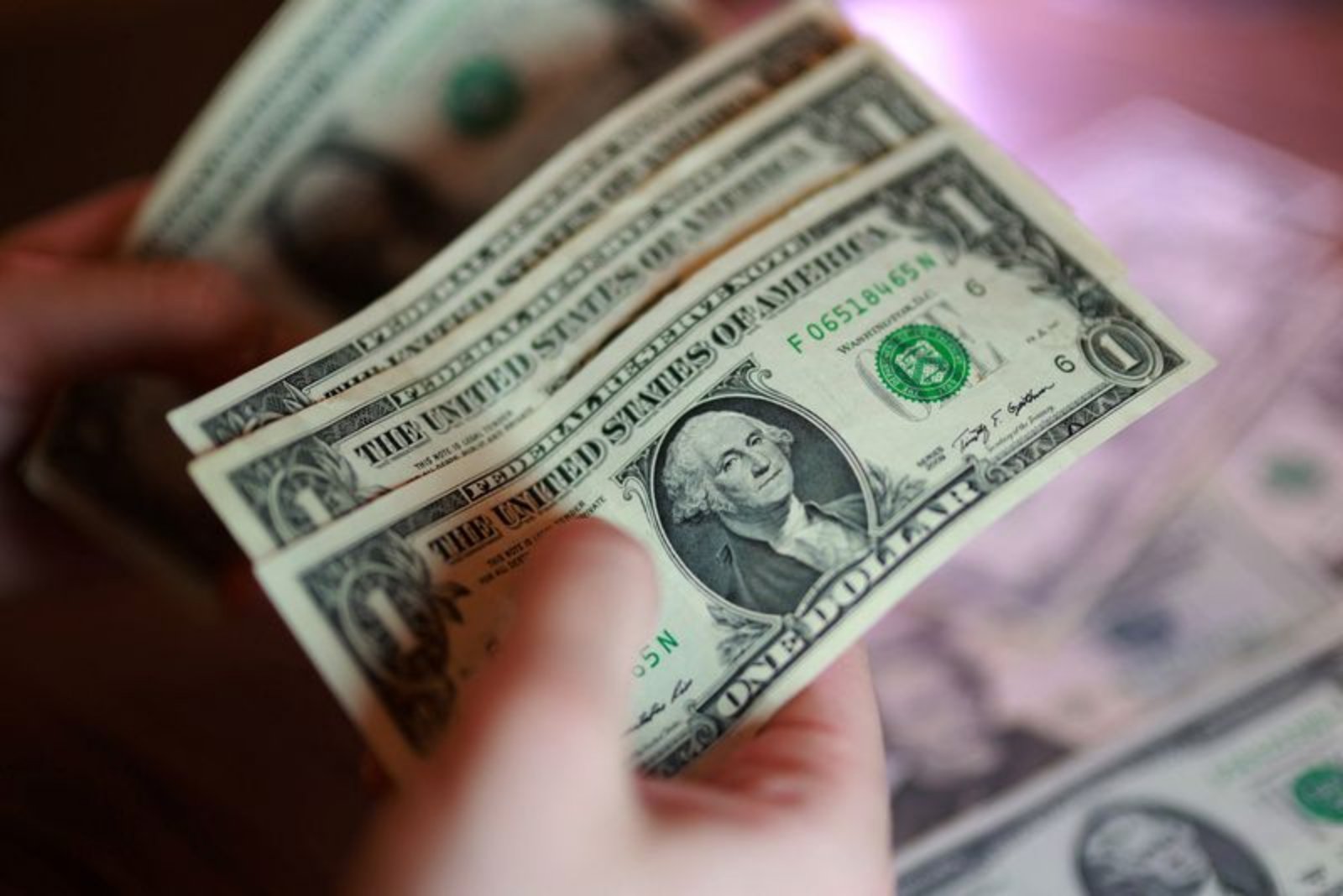
SINGAPORE, March 31 - The dollar is poised for its strongest monthly increase since July, driven by investor demand for so-called safe assets as conflict in the Middle East lifts oil prices and exacerbates concerns about a global slowdown.
Overnight trading extended dollar gains across most major currencies, with one notable exception - the Japanese yen. Renewed public warnings from Tokyo about possible market intervention have made traders reluctant to push the yen much beyond the 160-per-dollar threshold. After briefly touching its weakest level since July 2024 the previous day, the yen was quoted at 159.81 in Asia on Tuesday, reflecting a monthly decline of roughly 2.4% amid Japan’s heavy import exposure to surging energy costs. Tokyo’s consumer price data for March showed a modest slowing in inflation that left the yen little changed.
The euro eased 0.3% overnight and is on course for a roughly 3% fall over the month. Commodity-linked currencies have been particularly weak: the Australian dollar, which held up for much of March, began to falter in recent sessions as market focus shifted from inflation concerns to global growth risks. The Aussie dropped to a two-month low of $0.6834 overnight and was trading at $0.6844 in Asian hours. The New Zealand dollar has similarly weakened, plunging to a four-month low of 57 cents on Monday and last quoted near $0.5716.
South Korea’s won registered its weakest level since 2009 as regional and global risk sentiment soured. The U.S. dollar index reached 100.61 on Monday - its highest since last May - and has climbed 2.9% through March, marking the currency’s steepest monthly advance since last July.
Geopolitical developments added fuel to the market move. U.S. President Donald Trump warned that the United States would obliterate Iran’s energy plants and oil wells unless Tehran reopens the Strait of Hormuz, after Iran rejected U.S. peace proposals as "unrealistic" and fired missiles at Israel. Kuwait reported that a fully-laden Kuwaiti oil tanker was struck by an Iranian attack while anchored at Dubai, according to Kuwait’s state news agency KUNA, a report that helped lift oil prices further.
Market strategists say the current backdrop makes it difficult for the dollar to give back gains without a clear de-escalation. "Barring any clear, conciliatory messages from the Iranian side, it is hard to see the dollar handing back this month’s gains anytime soon," said Chris Turner, ING’s global head of markets.
Federal Reserve Chair Jerome Powell downplayed the prospect of near-term rate hikes on Monday, reiterating the Fed’s wait-and-see stance and saying that inflation expectations appear anchored beyond the short term. That commentary pushed down short-dated U.S. bond yields and removed market bets on further Fed rate increases this year. Even so, the dollar remained firm, benefiting from a safety bid amid rising doubts over global growth.
Other traditional havens have not performed well since the outbreak of hostilities. Both bonds and gold have disappointed as shelter assets, and with the yen failing to act as a haven, investor attention has turned to central bank rhetoric elsewhere. Threats from the Swiss National Bank to counter currency strength have dampened demand for the franc, while the dollar has strengthened by nearly 4% against the franc this month, trading at around 0.80 francs.
Market participants are also watching an economic calendar that may influence near-term moves: March inflation data for Europe is scheduled later in the session, alongside Chinese purchasing managers' index surveys. These releases could provide fresh impetus for currency and risk sentiment, though current geopolitical dynamics remain the dominant influence on market positioning.
Summary: The U.S. dollar is set for its largest monthly rise since July, supported by safe-haven flows after renewed conflict in the Middle East pushed oil prices higher and elevated recession risks. Most major currencies fell against the dollar overnight; the yen held near intervention-sensitive levels after Tokyo warned it could act to defend the currency. Other havens, including bonds and gold, have underperformed since the conflict intensified, and upcoming European inflation and Chinese PMI readings are in focus.