
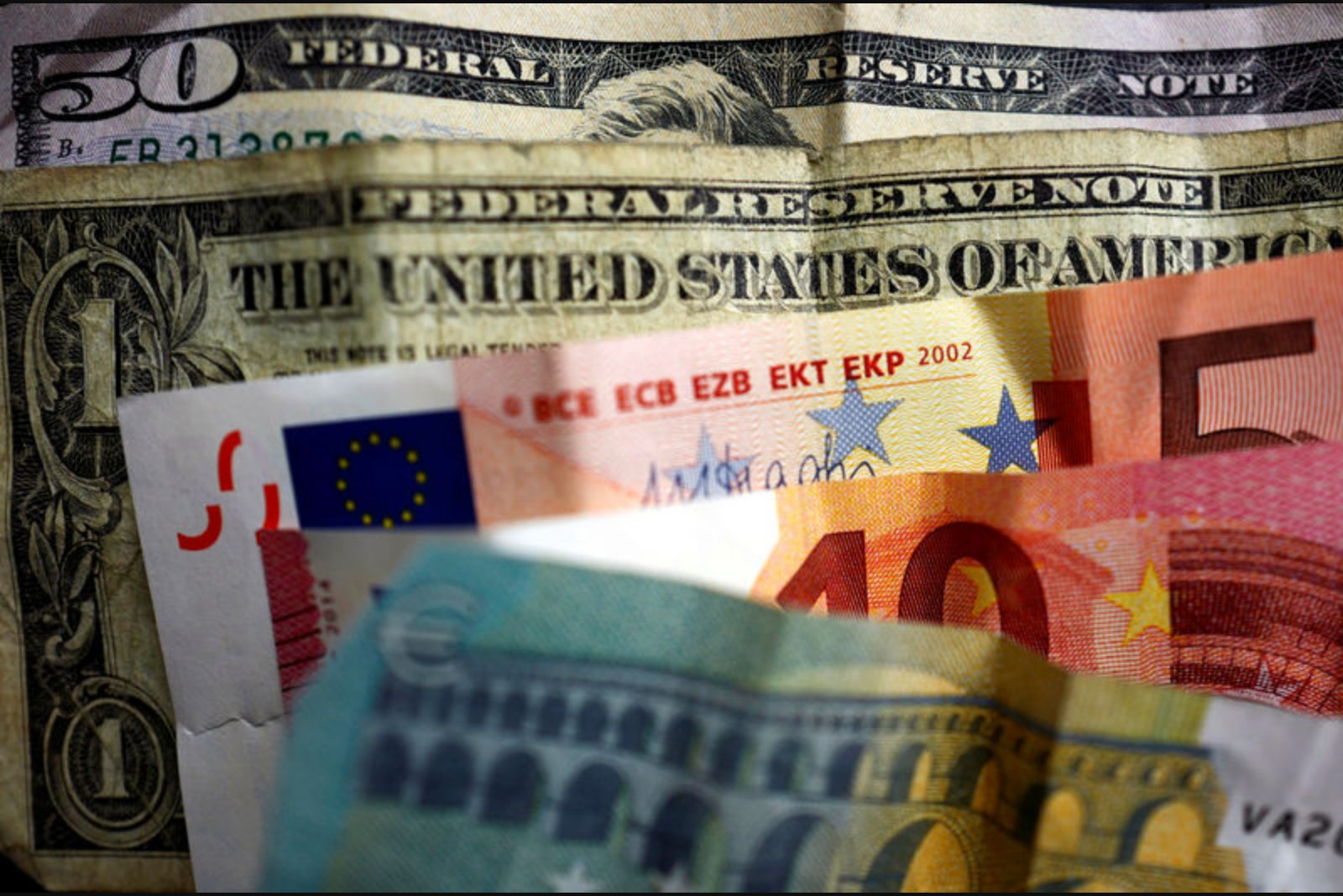
At 04:30 ET (09:30 GMT) the Dollar Index, which measures the U.S. dollar against a basket of six other currencies, was trading 0.1% lower at 97.380 after rallying roughly 1.5% over the last two trading sessions. The modest pullback left the greenback holding most of the gains it collected following a change in market expectations about Federal Reserve policy.
Markets reacted to the nomination of Kevin Warsh as the likely next Fed chair, a move that traders interpreted as reducing the chance of swift rate cuts and signalling a potential push to shrink the central bank’s balance sheet. Those dynamics, along with fresh domestic data, provided the backdrop for currency moves across Asia, Europe and the Americas.
U.S. data and political backdrop
Investors received a dose of stronger-than-expected activity data as the U.S. manufacturing sector returned to expansion in January. Analysts at ING noted that "The ISM manufacturing index surged back into expansion for the first time in a year, jumping to 52.6 - well above expectations and the strongest reading since August 2022." ING added that "Production and new orders rose sharply, and order backlogs also moved into expansion, all pointing to solid momentum in output ahead."
At the same time, an impasse in Washington that has produced a partial government shutdown affected the data calendar. The key monthly U.S. jobs report was delayed and a scheduled jobs openings release was also postponed. ING said, "However, a House vote on extending government funding is expected as early as today, and should it pass, this week’s data may be published next week."
Europe - euro steadies before ECB
EUR/USD inched 0.2% higher to 1.1812, recovering some ground after last week’s drop from around the 1.20 area. The single currency’s modest rebound comes as the European Central Bank prepares for its policy meeting on Thursday, where it is widely expected to keep its policy rate unchanged at 2% for a fifth consecutive meeting.
French consumer prices fell 0.3% in January, producing an annual inflation rate of just 0.3%. Those data raise the prominence of disinflation and deflation concerns ahead of the ECB meeting. On the influence of exchange rates at the ECB meeting, ING commented, "The more EUR/USD retraces, the less likely we’ll get any comments on the exchange rate at Thursday’s ECB policy meeting."
Across the Channel, GBP/USD traded 0.1% higher at 1.3582, with market participants similarly anticipating no change from the Bank of England at its own policy meeting on Thursday.
Asia and other currencies
In Asia, USD/JPY was down 0.1% at 155.43. The pair remained above the 155.00 level, a zone at which there has been uncertainty over whether Japanese authorities might step in to support the yen.
USD/CNY was 0.1% lower at 6.9367 after a series of strong fixings pushed the Chinese currency to its strongest level since mid-2023. The Australian dollar rallied strongly, with AUD/USD surging 1.3% to 0.7037 following a 25 basis point rate increase from the Reserve Bank of Australia. The RBA also raised its growth and inflation forecasts, and said that inflation was now expected to remain above the 2% to 3% annual target until at least 2027.
In South Asia, USD/INR fell 1.3% to 90.074, marking its lowest level since mid-January. The move followed an announcement of a trade agreement between the U.S. and India in which Washington will reduce its tariffs on New Delhi to 18% from 50%. In return, India agreed to further open its markets and to curb its purchases of Russian oil.
What this means for markets
The dollar’s resilience reflects a combination of shifting expectations for U.S. monetary policy following the Fed nomination, fresh signs of U.S. manufacturing strength, and political developments that have temporarily altered the economic data flow. At the same time, central bank decisions and domestic inflation readings in Europe and Australia have moved other currencies, while a bilateral trade deal affected the rupee and the dollar-rupee exchange rate.
Traders will be watching both central bank communications this week and the rescheduled U.S. data releases for further clues on policy paths and growth momentum.