
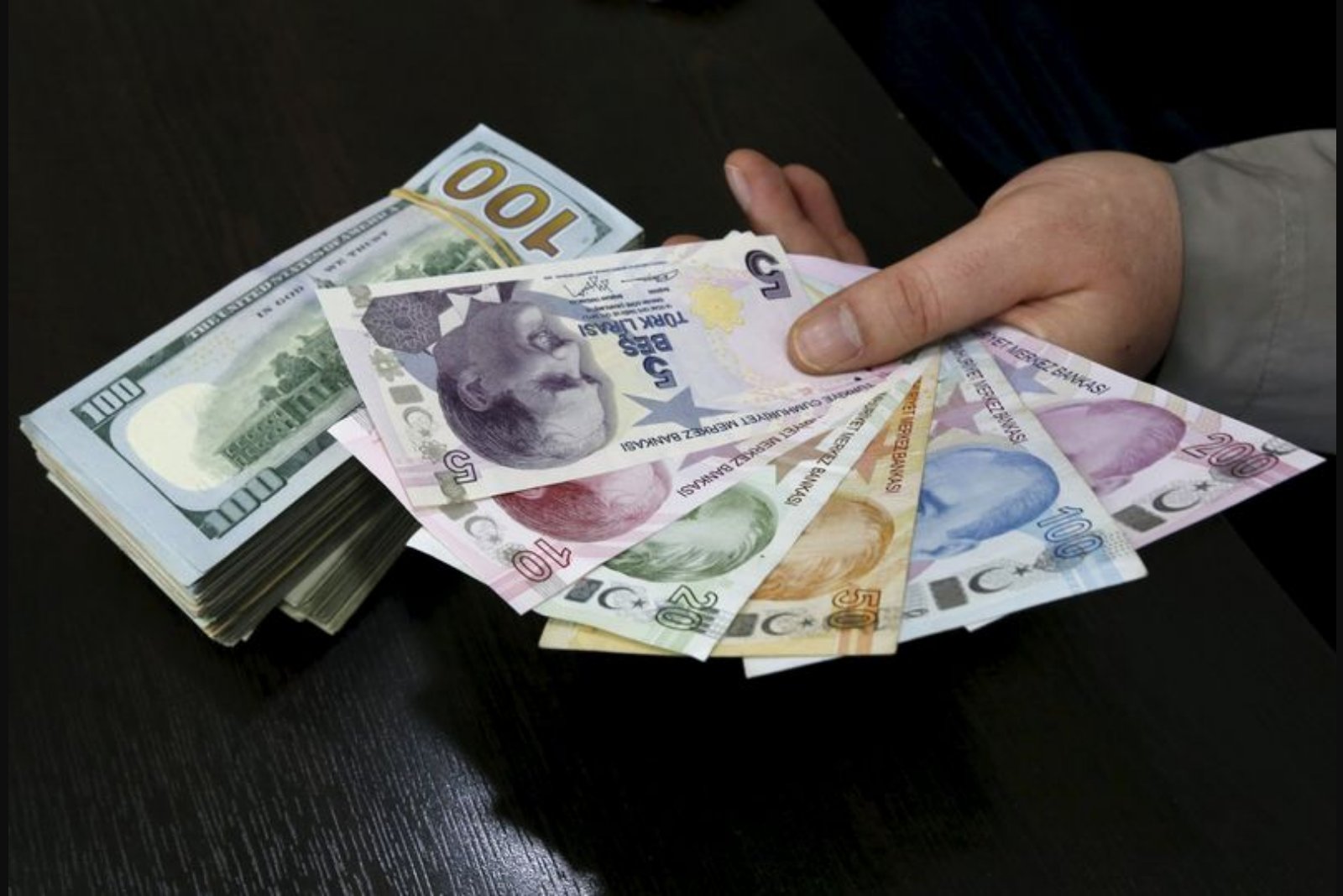
Barclays anticipates that Turkish authorities will maintain the present rate of depreciation in the lira as a policy tool aimed at stabilizing inflation, the bank said in a research note. Barclays put a year-end target of 50.25 for the USD/TRY exchange rate and reiterated its projection that the pair will reach 50.25 by the end of 2026.
The bank traced recent pressures on the lira to a combination of a global value-at-risk (VaR) shock and rising oil prices, which together triggered substantial portfolio investment outflows from the currency. To soften the impact of those outflows, the Central Bank of Turkey deployed foreign exchange reserves and took steps to restrain local demand for dollars by raising TRY OMO funding rates by 300 basis points.
Barclays noted that the Central Bank of Turkey currently has sufficient hard currency resources to sustain its foreign exchange stabilization efforts, even given present oil price levels. The bank emphasized that, in its view, the controlled pace of depreciation remains a central instrument in the authorities' monetary policy toolkit.
The research note reiterated that the Turkish lira has been under strain from both global market volatility and elevated oil prices, with those forces contributing to portfolio outflows. The central bank's responses, as described by Barclays, combined reserve usage with interest-rate adjustments in an effort to manage currency stability and limit disruptive dollar demand.
Outlook and context
Barclays' stance is that, barring a material change in the factors cited in its note, Turkish authorities will continue using depreciation as part of their approach to bring inflation under control. The bank's explicit USD/TRY target of 50.25 by the end of 2026 reflects that view and is grounded on the central bank's ability to deploy reserves alongside higher domestic funding rates.
Implications
- Currency markets: Continued depreciation of the lira would keep FX volatility elevated.
- Financial sector: Portfolio flows and reserve management remain central to policy responses.
- Energy and trade: Higher oil prices are cited as a reinforcing factor in current pressures on the currency.