
Asian foreign exchange markets were mostly subdued on Friday as investors evaluated diplomatic signals from the Middle East and their potential impact on commodity markets. The U.S. dollar maintained a firm tone, even as the US Dollar Index edged down 0.1% during Asian trading hours after three consecutive sessions of gains. US Dollar Index Futures were also down 0.1% as of 00:26 ET (04:26 GMT).
Markets reacted to a U.S. statement that President Donald Trump would pause attacks on Iran's energy infrastructure for 10 days at Tehran's request, and that talks with Iran were "going very well." The announcement helped to calm global markets after weeks of heightened volatility linked to the U.S.-Israel conflict with Iran, but traders remained alert to the possibility of sudden shifts.
Analysts at MUFG framed their outlook cautiously, saying their base case is for a relatively short-lived US-Iran conflict with the geopolitical risk premium fading over time. They noted, however, that the risk skew favored a more protracted conflict scenario that could keep energy prices elevated for longer.
MUFG analysts also highlighted that in Asia FX, the currencies most vulnerable to further escalation in Middle East tensions are those with the highest dependence on energy imports, specifically mentioning the South Korean won and the Japanese yen as most exposed.
On currency moves, the Japanese yen experienced a slight move with the USD/JPY pair edging 0.1% lower. The South Korean won's USD/KRW was little changed. China's onshore dollar-yuan rate, USD/CNY, ticked up 0.1%, while the Singapore dollar's USD/SGD traded flat.
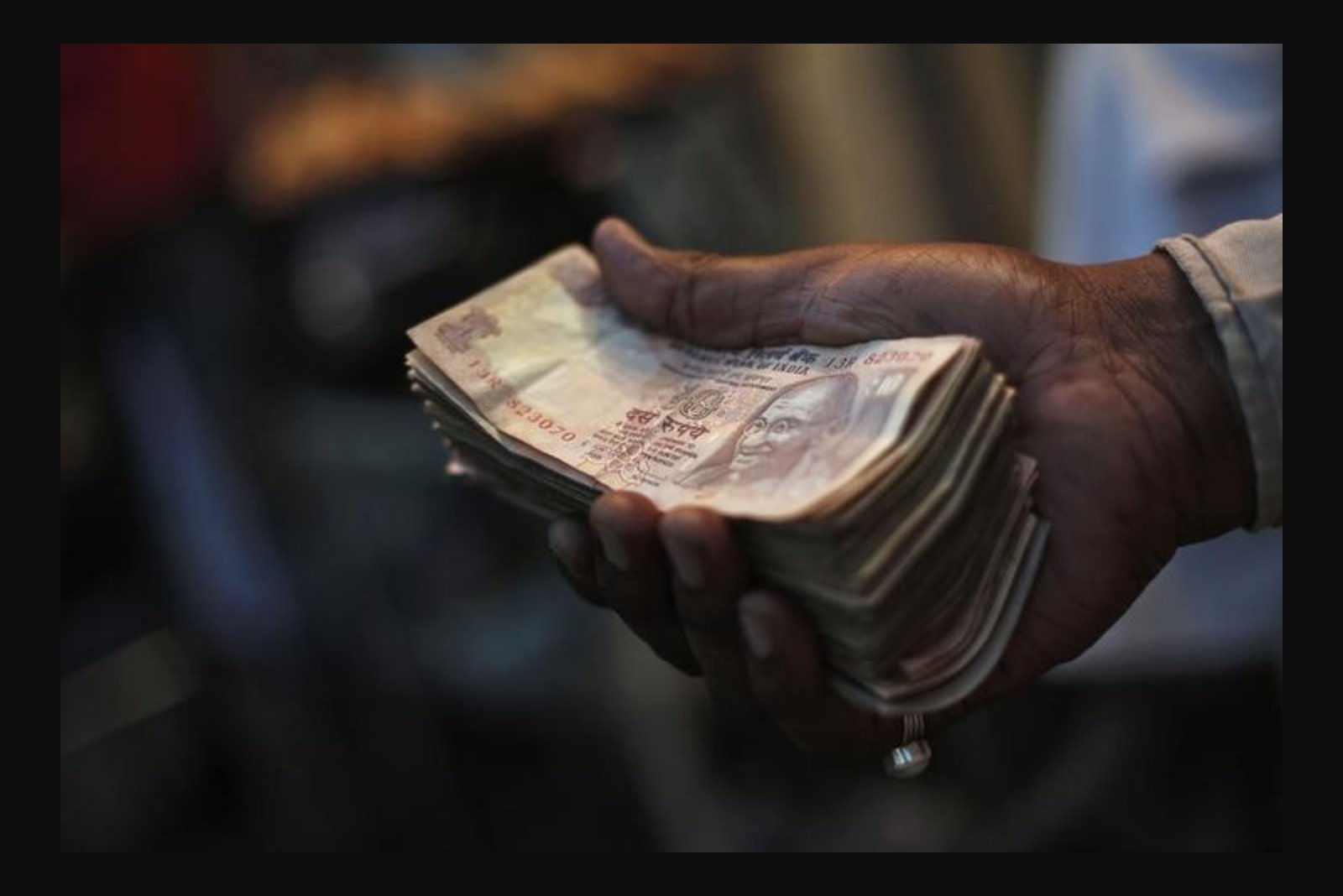
The Indian rupee continued to weaken against the dollar, with the USD/INR pair falling 0.1% to 94.174 rupees after earlier reaching a record high of 94.301 rupees. Elsewhere in the region, the Australian dollar showed modest strength as the AUD/USD pair rose 0.2%.
Underlying the resilience of the U.S. dollar were persistent market expectations that U.S. interest rates will stay higher for longer, a view reinforced by a surge in oil prices earlier this month that had stoked inflation worries. At the peak of the recent Middle East tensions, crude briefly spiked toward $120 per barrel, prompting concern about an energy-driven inflation shock.
MUFG commented that the combination of "high for longer" U.S. rates, elevated geopolitical uncertainty, and risk-off moves in equity markets continued to support the dollar while keeping Asian currencies on the defensive.
Market context
- The recent pause in planned attacks on Iran's energy infrastructure temporarily eased immediate market pressure, but traders remain wary of reversals.
- Energy importers in Asia are seen as particularly exposed to further geopolitical escalation, which could feed through to FX and inflation dynamics.
- The U.S. dollar's strength reflects both rate expectations and heightened geopolitical risk, factors that are weighing on currency peers across the region.
The currency landscape stayed cautious as market participants continued to monitor diplomatic developments and energy price trends for signals that could sway monetary and asset market expectations.