
Most currencies across Asia showed only small moves on Thursday as the U.S. dollar remained supported and market participants stayed cautious amid mixed signals over efforts to end the conflict in the Middle East.
The US Dollar Index traded flat during Asian hours after posting gains over the prior two sessions, with safe-haven demand cited as a supporting factor. US Dollar Index Futures were also largely unchanged as of 00:20 ET (04:20 GMT).
Markets were parsing comments from Iran on a U.S. proposal aimed at halting hostilities. Officials said the plan was under review, but messaging was inconsistent, leaving uncertainty about whether negotiations will advance. Iran has not accepted the proposal formally, nor has it issued an outright rejection. At the same time, Iranian authorities publicly denied that they were engaging in direct talks with Washington and indicated that important differences remained. That lack of clarity contributed to subdued activity in oil markets on Thursday.
Analysts at MUFG highlighted the potential market consequences of a continued absence of de-escalation, writing: "In the absence of credible de‑escalation and normalization of energy flows through the Straits of Hormuz, elevated oil prices and higher US yields are likely to keep the USD supported, while oil‑importing Asian currencies remain vulnerable," and adding, "Indeed, Brent prices remain above USD100/bbl, albeit easing from recent highs, keeping global inflation risks skewed to the upside."
Regional currency moves were modest overall as investors avoided large directional bets while Iran reviewed the U.S. proposal. The Japanese yen traded with little change on the USD/JPY cross. South Korea's won moved slightly weaker, with USD/KRW ticking up about 0.1%.
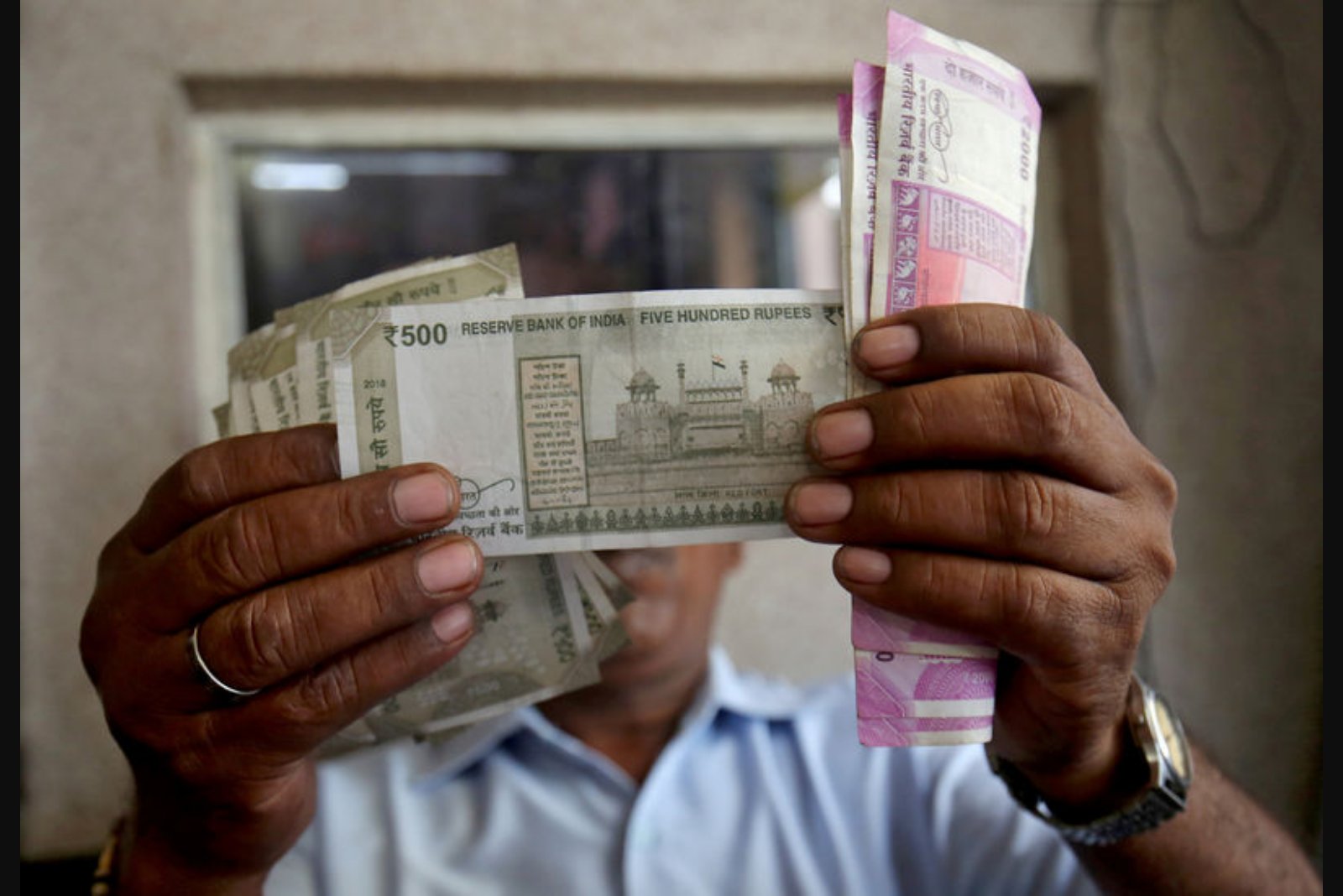
The Indian rupee was among the more notable movers. USD/INR rose 0.3% to 94.15 rupees, leaving it just beneath the record levels of 94.20 rupees touched in the previous session. China's onshore yuan was largely unchanged against the dollar, while the Singapore dollar saw USD/SGD rise about 0.1%. The Australian dollar gained roughly 0.1% against the U.S. dollar.
Beyond geopolitics, expectations around U.S. monetary policy continued to shape currency flows. Markets are pricing the prospect of higher-for-longer U.S. interest rates, a factor that can underpin the dollar and restrain appreciation in Asian currencies.
Overall, the combination of ambiguous diplomatic signals, persistent oil price support above the USD100 per barrel mark reported by analysts, and the prospect of sustained U.S. yields left currency traders in Asia adopting a cautious, range-bound stance.
Market context
- Dollar strength has been reinforced by safe-haven flows and higher U.S. yields.
- Geopolitical uncertainty tied to Iran's response to a U.S. proposal is keeping oil and FX markets tentative.
- Asian currencies that import energy are particularly exposed to shifts in oil prices and U.S. rate expectations.