
Asian currencies largely declined on Thursday while the U.S. dollar recovered after remarks from President Donald Trump that signalled a likely escalation in the Middle East conflict. The comments prompted traders to shift toward safe-haven holdings and lifted the greenback after two prior sessions of losses.
Dollar and futures - The US Dollar Index increased 0.3% in Asian trading. US dollar futures were also trading 0.3% higher as of 23:39 ET (03:39 GMT).
Political catalyst and market reaction - In a speech, Trump said the United States would intensify military operations against Iran over the next "two to three weeks," and the remarks provided little clarity on the likelihood of a ceasefire. That statement undercut earlier market optimism about a possible near-term de-escalation of the conflict, a development that had pressured the dollar and supported several regional currencies earlier in the week.
Alongside the re-emergence of geopolitical risk, oil prices rebounded, a move that reinforces inflationary concerns and feeds into a more cautious outlook for monetary policy among central banks.
Currency moves across Asia
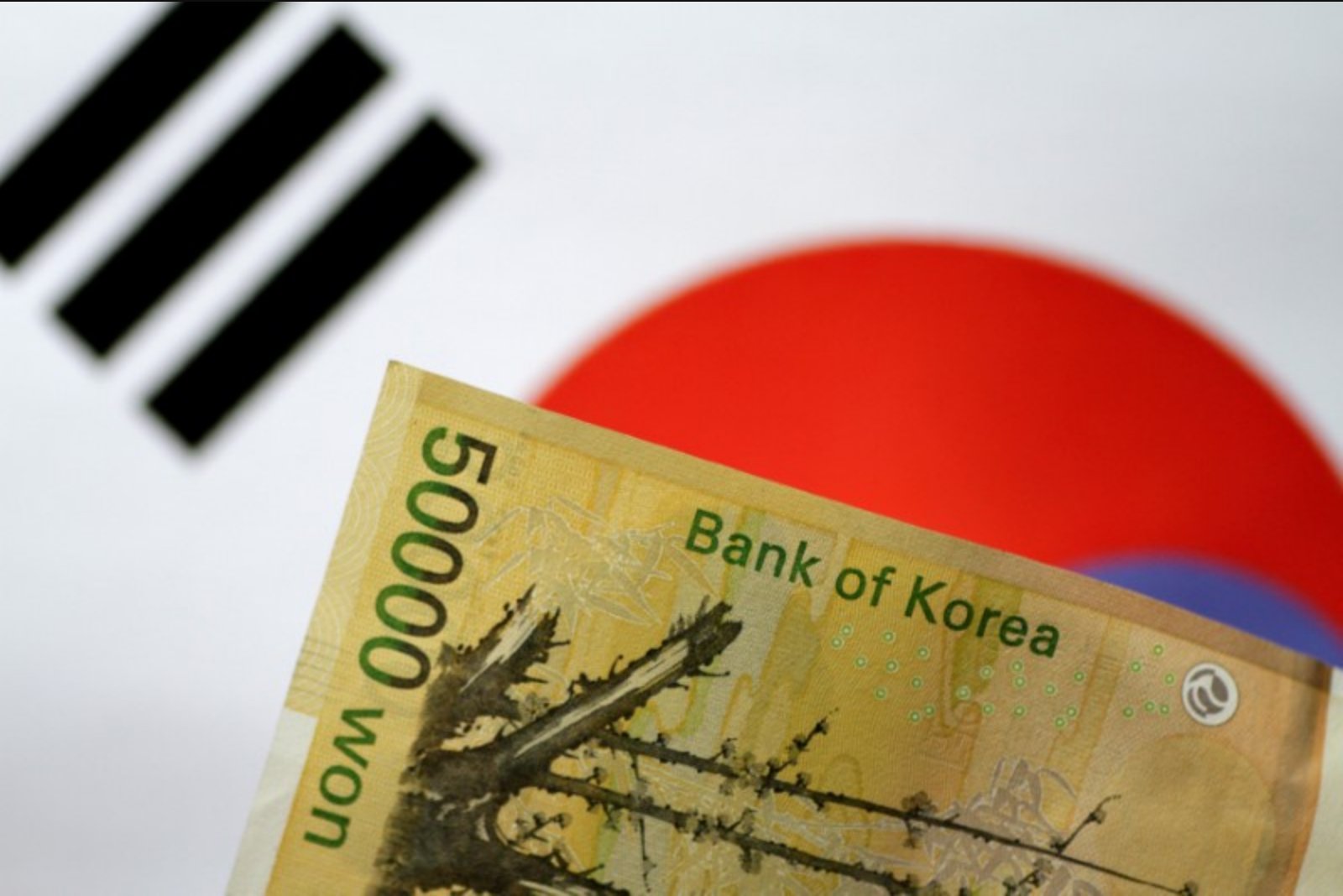
- South Korean won: USD/KRW jumped 0.6% as the won weakened.
- Japanese yen: USD/JPY rose 0.3% with the yen under pressure.
- Chinese yuan: The onshore USD/CNY pair edged 0.2% higher.
- Singapore dollar: USD/SGD advanced 0.3%.
- Indian rupee: USD/INR was largely unchanged at 93.24 rupees; the pair had touched a record high of 95.22 rupees at the start of the week.
The Reserve Bank of India this week stepped up enforcement against foreign exchange speculation by banning banks from offering rupee non-deliverable forward contracts to both resident and non-resident clients - a commonly used offshore instrument to take positions against the currency.
Australia - currency reaction despite stronger trade data - The Australian dollar weakened, with AUD/USD down about 0.5% despite stronger-than-expected trade figures. Data from the Australian Bureau of Statistics showed the trade surplus widened sharply to A$5.69 billion in February, outpacing forecasts as exports rose 4.9% and imports fell 3.2%.
What market participants are watching - Investors are preparing for key U.S. labor market data due on Friday, most notably the nonfarm payrolls report. That release is expected to provide further clues about the Federal Reserve’s policy trajectory amid renewed geopolitical risk and rising oil prices.