
Asian currency markets showed limited movement on Friday, with trading confined to tight ranges as thin holiday liquidity and concerns over potential escalation of the Middle East conflict kept investors on edge.
The U.S. dollar maintained its recent strength, holding broadly steady after advancing 0.4% in the previous session. That earlier uptick followed comments from U.S. President Donald Trump regarding Iran, which prompted a pickup in global risk aversion.
Geopolitical headlines remained the dominant influence. President Trump said Washington could step up military action in the coming weeks and, in a separate late post, warned U.S. forces might target critical infrastructure including bridges and power plants. Those remarks left markets on alert for further developments.
There were, however, some signs of restrained easing in market fears. Iran said it was coordinating with Oman on a framework to manage shipping traffic through the Strait of Hormuz, a move that reduced some worries about supply disruptions along an important oil transit route.
Currency moves across the region were generally muted. The Japanese yen traded flat against the dollar, with USD/JPY around 159.63 yen and hovering near the psychologically important 160-per-dollar level. Japan's finance minister cautioned that authorities stood ready to intervene against speculative activity in the foreign exchange market as volatility rose.
Other major Asian pairs showed limited volatility. USD/KRW and USD/SGD remained largely unchanged, and AUD/USD traded close to flat for the session.
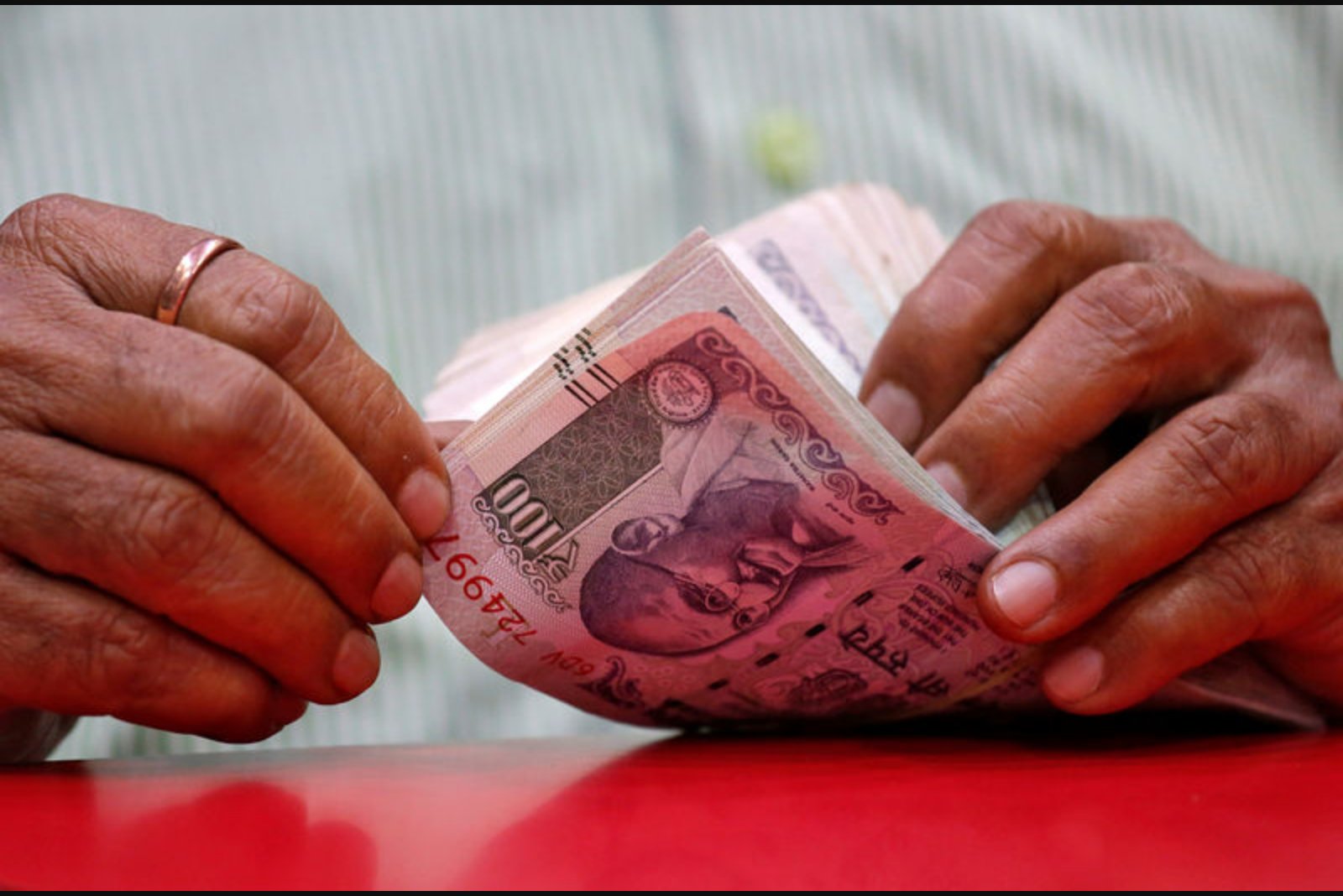
The Indian rupee, which earlier in the week hit a record low of 95.22 per dollar, was slightly weaker on the day with USD/INR at 92.71, a 0.3% move. Despite that intraday weakening, the rupee was on track to finish the week more than 2% stronger against the U.S. dollar after policy steps from the Reserve Bank of India helped stabilize the onshore market.
The RBI introduced measures that capped banks' net open foreign exchange positions and prohibited them from offering non-deliverable forwards to clients. Those steps forced an unwinding of large speculative positions and prompted dollar selling in the onshore market, supporting the rupee's recovery across the week.
China's onshore dollar pair, USD/CNY, inched down about 0.1% on Friday. Data released earlier showed a slowdown in Chinese services-sector growth for March: the Ratingdog Services PMI slipped to 52.1 from February's 33-month high of 56.7.
With regional markets operating in subdued conditions for the holiday, investors shifted focus to upcoming U.S. labor market data. Nonfarm payrolls due later in the day were expected to offer additional information relevant to the Federal Reserve's interest rate outlook and could influence dollar direction.
Market context
- Thin liquidity related to the Good Friday holiday contributed to smaller-than-normal price swings across Asian currency markets.
- Geopolitical statements from the U.S. president on Iran kept risk sentiment cautious, sustaining earlier dollar gains.
- Reserve Bank of India interventions removed some speculative pressure on the rupee and were a key factor in its weekly recovery.