
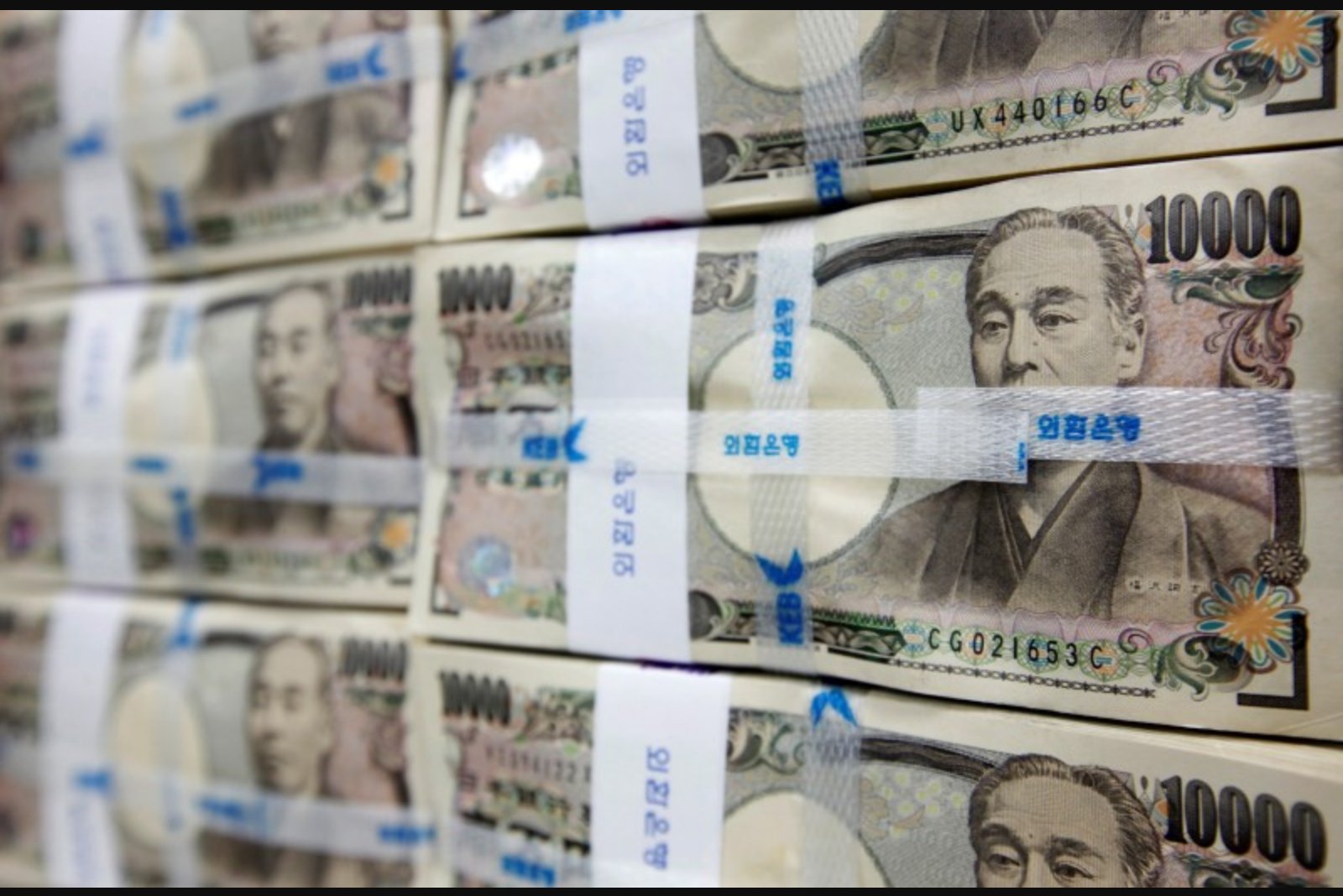
Asian currencies showed little conviction on Monday as market participants navigated conflicting signals from the Middle East alongside shifts in oil prices and central bank watchfulness.
The U.S. Dollar Index rose about 0.1% following recent gains, while U.S. Dollar Index futures were also trading roughly 0.1% higher by 02:52 ET (06:52 GMT).
Geopolitical backdrop
Traders followed a high-stakes deadline set by U.S. President Donald Trump for Iran to reopen the Strait of Hormuz. Mr. Trump said Tehran had until 8 p.m. Eastern Time to restore tanker traffic through the strategic waterway or face strikes on critical infrastructure, including power plants and bridges.
Market sentiment was tempered by a report that the United States, Iran and regional mediators were discussing terms for a possible 45-day ceasefire. The report suggested talks were under way, but it did not confirm any breakthrough.
Regional currency moves
Moves across Asian FX were mixed. The USD/JPY pair was effectively flat, showing little change in the yen against the dollar. The USD/KRW pair eased about 0.3%, indicating some strengthening of the South Korean won.
Oil remained elevated after a sharp rise in the prior session, a factor that typically weighs on currencies of major oil importers by worsening trade balances. That dynamic is relevant for economies such as Japan, South Korea and India.
The onshore Chinese yuan's USD/CNY pair slipped roughly 0.1% lower, while the Singapore dollar's USD/SGD was largely unchanged. The Australian dollar gained, with AUD/USD up about 0.3%.
Indian rupee and policy watch
The Indian rupee moved weaker on the session, with USD/INR rising about 0.6% to 93.281 rupees on Monday after earlier hitting a more than two-week low of 92.585 in the previous session. The rupee had posted gains over the prior five sessions, supported by measures from the country's central bank.
Markets are now waiting for the Reserve Bank of India's interest rate decision due on Wednesday, where a hold is widely expected despite the recent rupee softness.
U.S. data and policy expectations
Investors also digested stronger-than-expected U.S. payrolls data released on Friday, which reinforced expectations that the Federal Reserve may keep interest rates higher for longer. That backdrop has contributed to the dollar's overall firmness and influenced flows into and out of Asian currencies.
Overall, markets appeared to balance elevated geopolitical risk against signs of potential diplomatic engagement, leaving currency moves in the region uneven rather than directional.