
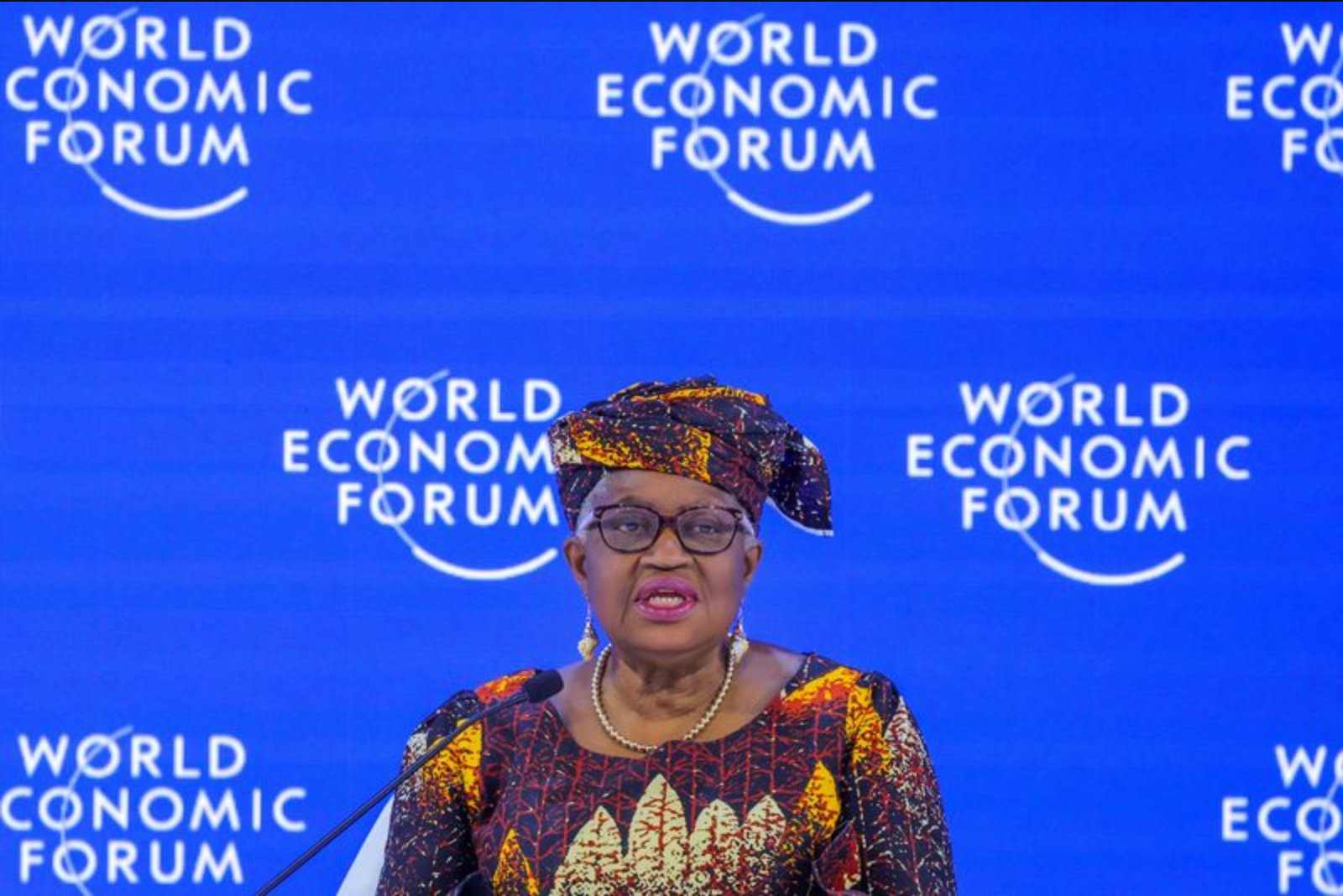
At the opening of the 14th World Trade Organization ministerial conference in Yaounde, Cameroon, WTO Director-General Ngozi Okonjo-Iweala said the architecture of global trade has shifted in ways that cannot be reversed and urged members to focus on reform. "The world order and multilateral system we used to know has irrevocably changed. We will not get it back...We must look to the future," she told delegates.
Okonjo-Iweala highlighted that, despite the disruption, a substantial portion of international commerce still operates within the WTO framework - she noted that 72% of global trade takes place under WTO rules. She also pointed to growth in trade tied to artificial intelligence as a positive element in current trade flows.
But the director-general warned of acute uncertainty facing the world trading system. She cited the ongoing Middle East conflict and the cascading effects of U.S. tariffs on trading partners as contributors to that uncertainty. Okonjo-Iweala also listed structural problems within the organisation that are impeding progress.
Among the internal issues she raised were the paralysis of the WTO's dispute settlement body and shortcomings around transparency in notifying the use of subsidies. On the latter point, she provided a specific indicator of the transparency gap: only 64 members had submitted subsidy notifications at the WTO for 2025, leaving 102 members that had not made such filings.
Okonjo-Iweala warned that the lack of transparent reporting fuels mistrust among members, saying, "Lack of transparency leads to lack of trust, and that breeds suspicions of unfairness and anti-competitive behaviours." She described the resulting dynamic as a "vicious cycle" of mistrust, which she said is hampering member states' ability to reach agreement on new rules and reforms.
The remarks set the tone for the Yaounde ministerial, where delegates will confront both geopolitical pressures and internal WTO governance challenges. Okonjo-Iweala's comments framed the task before members in stark terms: adapt the system for a changed global environment, address internal dysfunctions, and restore confidence through better disclosure and rule-making.
Summary
Ngozi Okonjo-Iweala told delegates at the WTO ministerial in Yaounde that the multilateral trading system has been fundamentally altered and cannot be returned to its previous form. While 72% of global trade still flows under WTO rules and AI-related trade is a bright spot, she warned that the system faces major uncertainty from external conflicts and tariff measures, and internal problems such as a stalled dispute settlement body and poor transparency on subsidies - only 64 members filed subsidy notifications for 2025, leaving 102 who had not. Okonjo-Iweala said lack of transparency begets mistrust and prevents agreement on necessary reforms.
Key points
- Okonjo-Iweala said the global multilateral trade order has "irrevocably changed" and urged members to plan reforms.
- Despite shifts, 72% of world trade still takes place under WTO rules; trade linked to artificial intelligence is a positive area of growth.
- Internal WTO challenges include a paralysed dispute settlement body and weak transparency on subsidies - only 64 members submitted subsidy notifications for 2025 while 102 had not.
Sectors potentially impacted: global trade flows broadly affect manufacturing, technology (including AI-related goods and services), and sectors exposed to tariffs and subsidies such as agriculture and heavy industry.
Risks and uncertainties
- Geopolitical conflict - The Middle East conflict was cited as a source of broader uncertainty for the trading system, with potential implications for energy and commodity markets.
- Tariff spillovers - The impact of U.S. tariffs on other countries contributes to international trade uncertainty, affecting cross-border supply chains and exporters in exposed sectors.
- Institutional dysfunction - The paralysis of the WTO dispute settlement body and insufficient subsidy transparency may deepen mistrust and delay the adoption of new multilateral rules, hindering market predictability.