
BCA Research is warning that the muted reaction of West Texas Intermediate crude to recent shocks in energy markets is producing a misleading signal about underlying supply risks. In a note circulated Monday, the firm's chief commodity and energy strategist, Roukaya Ibrahim, said "WTI's relative calm is misleading" and described the U.S. measures under discussion to blunt the shock as "little more than band-aid solutions."
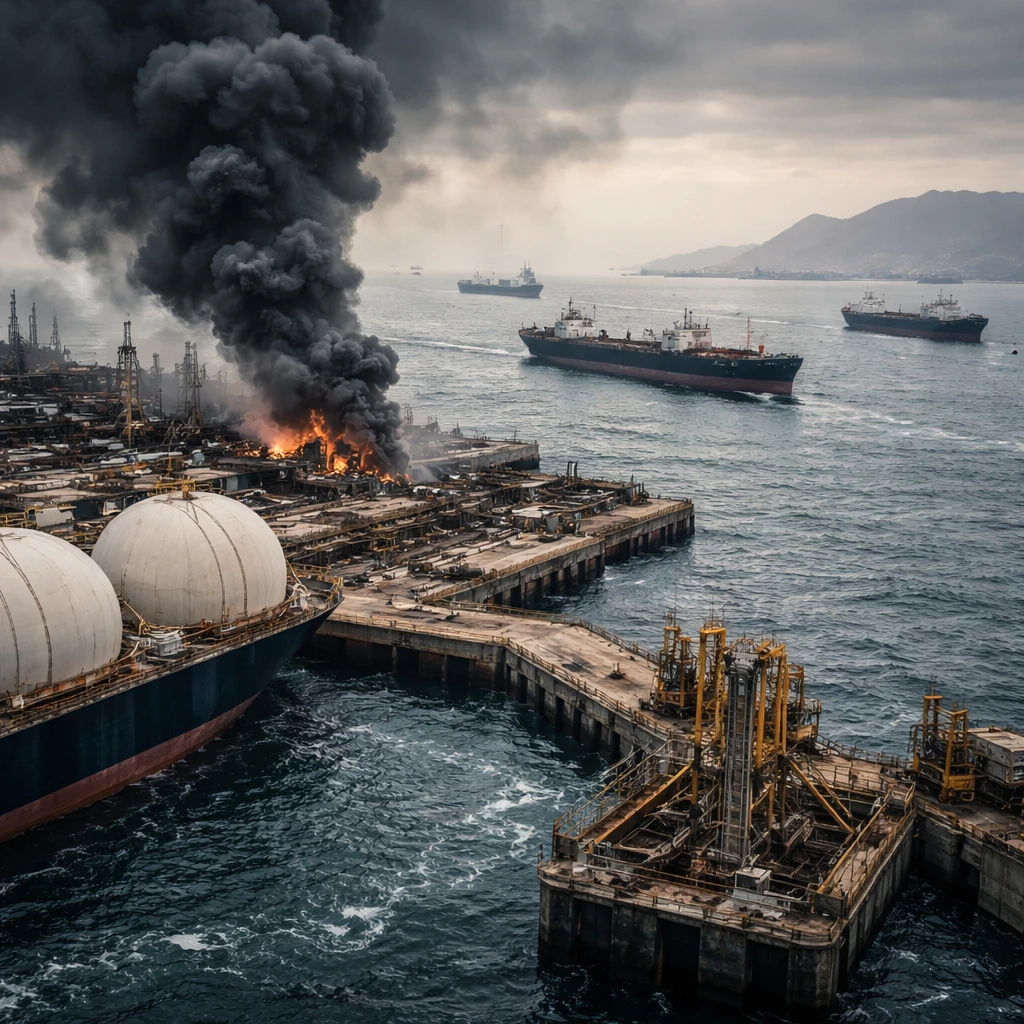
The note documents an escalation in the regional conflict, including strikes by Iran on "multiple energy facilities across the region" in retaliation for an attack on its South Pars gas field. Those actions have intensified market disruption even as there are reported signs of progress toward reopening the Strait of Hormuz.
BCA Research emphasizes, however, that the targeting of energy infrastructure "highlight[s] the possibility of a dangerous escalation for energy markets." The firm draws particular attention to damage at a QatarEnergy LNG plant, noting the impairment affects 17% of the country's export capacity and "will take up to five years to repair."
Market responses have diverged by benchmark. Brent crude and European natural gas prices have spiked on the news of the strikes and facility damage, but WTI has thus far traded below $100 a barrel. BCA Research explains that the U.S.-focused benchmark is less directly exposed to overseas shortages, which helps explain some of the relative calm. Yet the firm also cautions that other influences are suppressing price moves.
Among those influences, BCA Research cites the release from the Strategic Petroleum Reserve as likely "suppressing the front end of the WTI curve." The note also points to market speculation that a U.S. intervention in oil futures markets or an export ban could be forthcoming, and says such expectations are weighing on prices. Still, the firm warns that "neither would sufficiently address the supply problem," given the scale of the existing disruption.
With transit through the Strait of Hormuz remaining constrained, BCA Research concludes that "upside price pressures will continue to prevail," while acknowledging that any sudden easing of the conflict could produce a rapid reversal in market dynamics. The firm's assessment frames the present stability in WTI as conditional and vulnerable to shifts in the underlying regional security and infrastructure damage picture.
Context note: The analysis highlights how domestic market structure, short-term policy responses, and target-specific infrastructure damage combine to shape benchmark performance, without suggesting that current measures fully solve supply-side challenges.