
The White House stated on Monday that there has been no shift in U.S. policy toward Cuba after allowing a sanctioned Russian tanker to deliver fuel to the island for humanitarian reasons. Officials described the move as an individual, discretionary decision rather than a change to sanctions policy.
In a briefing, White House Press Secretary Karoline Leavitt addressed questions about the waiver and the broader U.S. stance. She said, in reference to the administration's position,
and added that"This is not a policy change. There has not been a formal change in sanctions policy,"
"As the president said last night, we allowed this ship to reach Cuba in order to provide humanitarian needs to the Cuban people."
Leavitt also emphasized that the United States continues to reserve its legal authority to seize vessels that are bound for Cuba and that violate U.S. sanctions rules. That statement underscored the administration's intent to treat such maritime and sanctions enforcement issues on a case-by-case basis.
The delivery occurred amid a broader context of U.S. pressure on Cuba's energy supply. According to the public remarks in the reporting, the United States cut off Venezuela's oil exports to Cuba after toppling Venezuelan President Nicolas Maduro on January 3, and former President Trump had warned of punishing tariffs for any country sending crude to Cuba.
In yet another shift in rhetoric, Trump on Sunday indicated a softer posture toward shipments of oil to Cuba, saying he would not object if countries, including Russia, sent oil to the island. His comment was quoted as:
which signaled a departure from earlier threats."If a country wants to send some oil into Cuba right now, I have no problem with that, whether it’s Russia or not,"
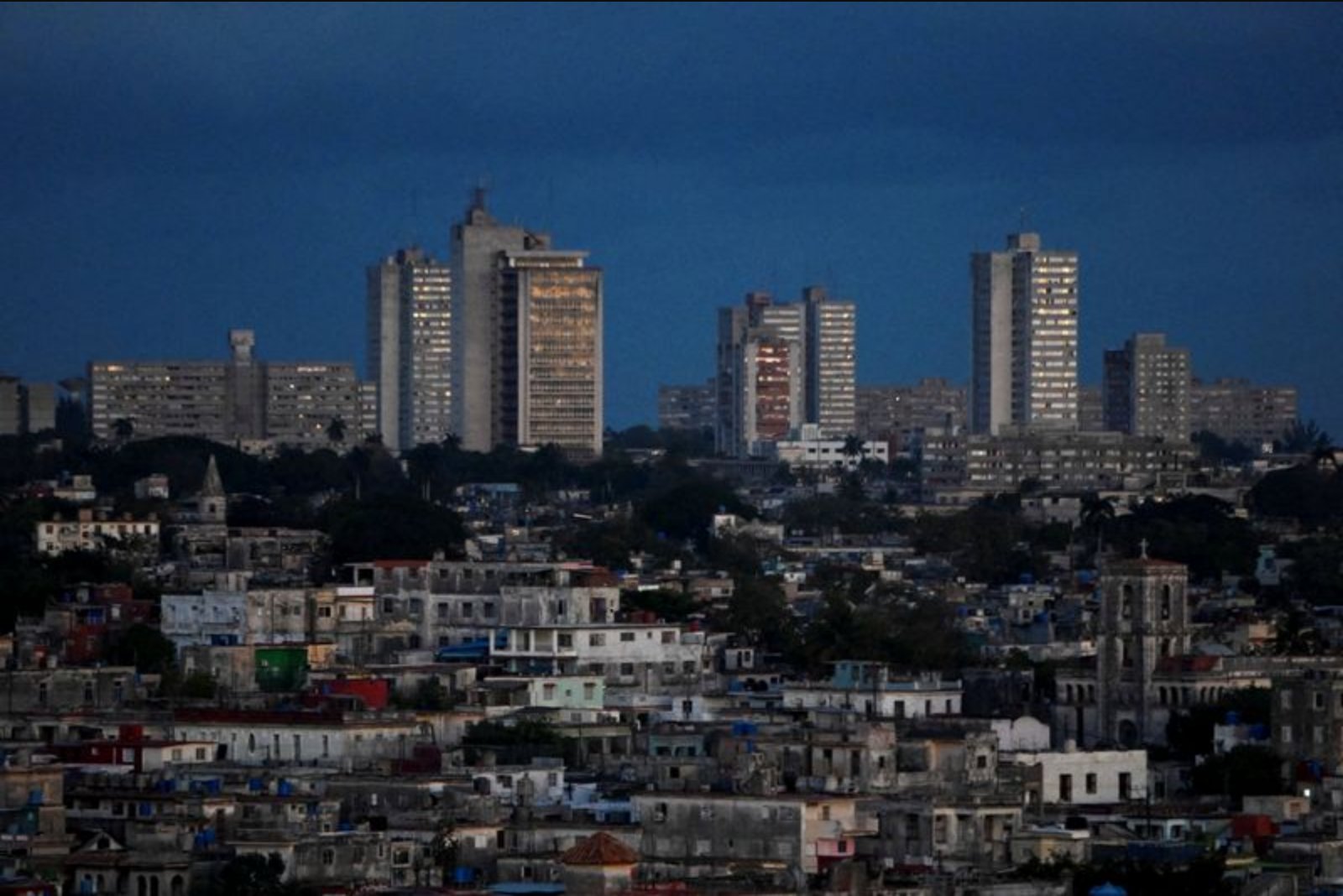
Cuban officials have said the island has not received an oil tanker in three months, a shortage that President Miguel Diaz-Canel says has deepened an energy crisis. The shortage has produced strict gasoline rationing and repeated blackouts affecting the country's roughly 10 million residents.
Cuban health authorities have warned that the energy constraints have heightened mortality risks for cancer patients, particularly children, pointing to the broader humanitarian consequences of the fuel shortfall.
Russia reported on Monday that an oil tanker carrying 100,000 metric tons of crude oil had arrived in Cuba. The White House framed its allowance of the delivery as a narrowly tailored humanitarian response while maintaining the legal right to act against ships that breach U.S. sanctions law.