
BUDAPEST/WASHINGTON, April 7 - U.S. forces struck targets on Iran’s Kharg Island in the early hours of Tuesday, hitting military sites, a U.S. official told Reuters on condition of anonymity. The official said at least some of the locations hit had been targeted previously and that the additional strikes did not affect oil infrastructure.
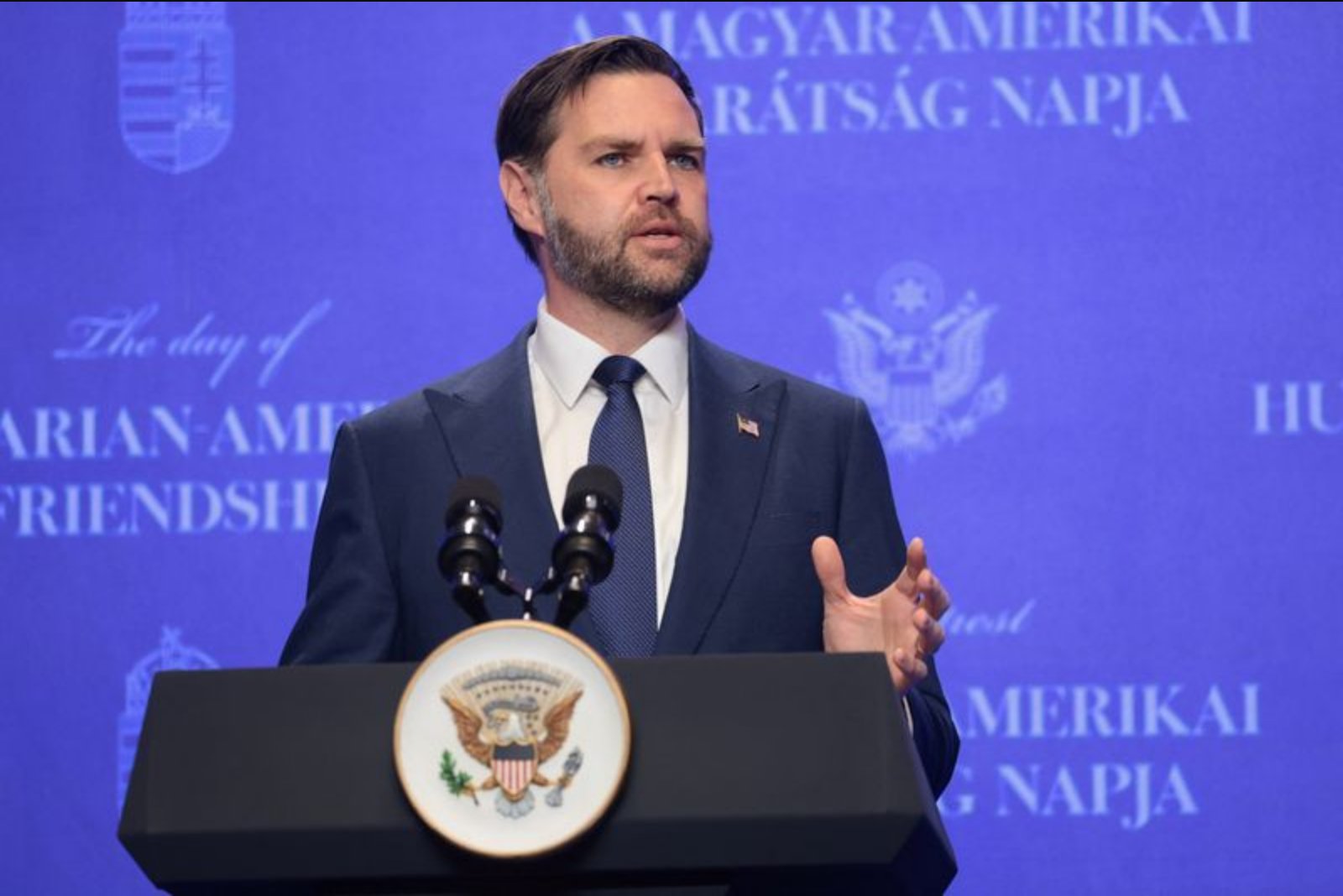
Speaking separately in Budapest, U.S. Vice President JD Vance described the strikes as consistent with existing policy rather than a departure from it. He said the action did not change overall U.S. strategy and reiterated expectations for a diplomatic response from Iran later in the day.
Officials in Washington said the administration remained confident it could secure a reply from Tehran by 8 p.m. local time - cited as 0001 Wednesday GMT - as part of ongoing negotiations intended to end the conflict. The administration's demands include that Iran forswear nuclear weapons and that the Strait of Hormuz - a major oil transit waterway - be reopened.
Vance was explicit about the intended scope of the strikes and the limits the United States has placed on targets. "We were going to strike some military targets on Kharg Island, and I believe we have done so," Vance said. "We’re not going to strike energy and infrastructure targets until the Iranians either make a proposal that we can get behind or don’t make a proposal," he added. "I don’t think the news in Kharg Island ... represents a change in strategy, or represents any change from the President of the United States."
The U.S. official who spoke on background emphasized that the latest action focused on military objectives and stressed that oil-related installations were not hit. The official also noted that some of the sites struck had been the subject of earlier attacks.
Context and implications
The public statements frame the strikes as a continuation of a targeted military approach rather than an escalation aimed at energy assets. Officials tied the operation to ongoing diplomatic negotiations with a set response deadline for Iran, while restating strategic aims related to nuclear commitments and maritime access through the Strait of Hormuz.