
Commodities January 26, 2026

U.S. Signals Willingness to Hear From Iran While Maintaining Pressure Over Crackdown

Washington says lines of communication are open even as military assets arrive and tensions remain high

By Jordan Park
U.S. Signals Willingness to Hear From Iran While Maintaining Pressure Over Crackdown

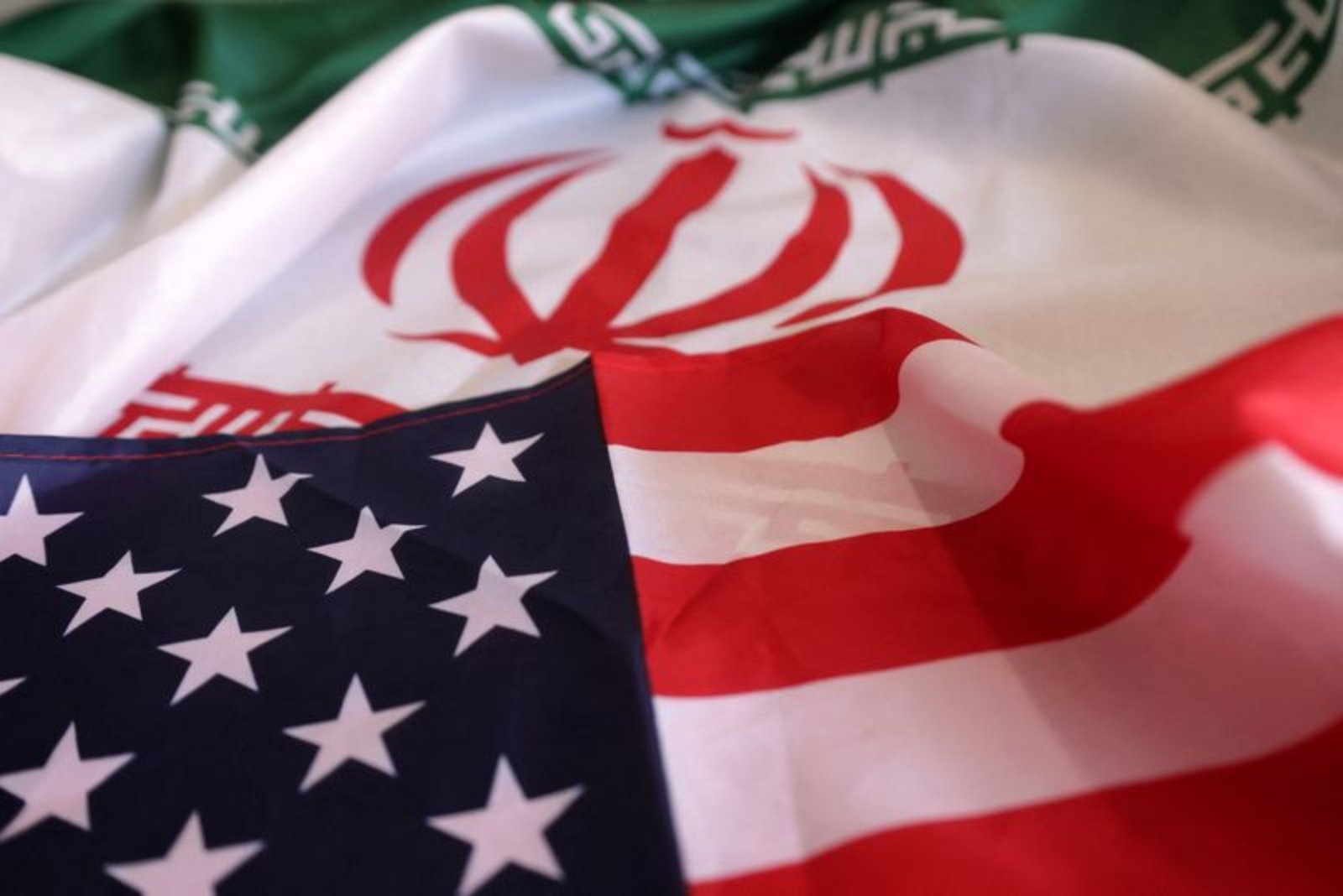
A U.S. official said Washington remains "open for business" if Iran seeks contact, reiterating that Tehran understands the conditions for engagement. The statement comes as President Donald Trump warned Tehran over its crackdown on protesters and the U.S. deployed an aircraft carrier and supporting warships to the Middle East, expanding U.S. military options amid heightened tensions.

Key Points

  • A U.S. official said Washington is "open for business" if Iran seeks contact and indicated Iran understands the conditions for talks - impacts diplomatic and defense sectors.
  • President Trump warned Iran against killing protesters or resuming its nuclear program and said an "armada" was headed toward the region while hoping military force would not be necessary - impacts government policy and defense markets.
  • A U.S. aircraft carrier and supporting warships have arrived in the Middle East, expanding U.S. capabilities to defend forces or potentially take military action against Iran - impacts defense contractors and regional security dynamics.

A senior U.S. official told reporters on Monday that Washington is prepared to receive overtures from Tehran, saying the United States is "open for business" should Iran wish to make contact. When pressed about the specific terms under which talks might occur, the official said, "I think they know the terms" and added, "They're aware of the terms."

The comments occurred against the backdrop of ongoing U.S. efforts to press Iran over a domestic crackdown on protesters. President Donald Trump reiterated warnings to Tehran on Thursday, saying the United States had assembled an "armada" en route to the region but expressing hope that military force would not be necessary. In his remarks, the president cautioned Iran against killing protesters or restarting its nuclear program.

Trump had previously warned of potential intervention if Iranian authorities persisted in lethal actions against demonstrators, though officials have since reported that the widescale demonstrations have diminished. The president stated he had been informed that killings were subsiding and that, to his knowledge, there was presently no plan for the executions of prisoners.

Separately, two U.S. officials confirmed on Monday that a U.S. aircraft carrier, accompanied by supporting warships, has arrived in the Middle East. That deployment increases U.S. capacity both to defend American forces in the region and to undertake potential military operations aimed at Iran. Historically, the U.S. military has moved forces into the Middle East in response to spikes in tension, actions that were frequently defensive in character.

Nevertheless, the U.S. conducted a significant buildup last year in advance of strikes in June directed at Iran's nuclear program, a move highlighted by the administration as a precedent for large-force deployments. In response to recent U.S. statements and deployments, a senior Iranian official warned on Friday that Tehran would view any attack as "an all-out war against us."


Contextual note: The public remarks and movements cited above reflect statements by U.S. and Iranian officials and reported arrivals of U.S. naval forces. They indicate simultaneous U.S. openness to engagement and preparedness to apply military pressure, but do not outline any negotiated terms or forthcoming diplomatic contacts.

Risks

  • Escalation of military confrontation - the arrival of U.S. naval forces raises the risk of direct conflict, affecting defense and energy markets.
  • Uncertainty over Iran's response - Iranian officials have warned any attack would be treated as an all-out war, creating diplomatic and market volatility.
  • Domestic repression and humanitarian concerns in Iran - ongoing pressure related to the crackdown on protesters could sustain geopolitical tensions, influencing regional stability and investor sentiment.

More from Commodities

Precious Metals Plunge Sends Ripples Through Global Markets Feb 2, 2026 Gold Plunge Intensifies After CME Margin Hikes and Warsh Nomination Spurs Market Reassessment Feb 2, 2026 European Gas Prices Plunge as Forecasts Turn Milder Feb 2, 2026 BCA's MacroQuant Sees Dollar Weakness; Boosts Oil, Copper and Gold Calls Feb 2, 2026 Russian Oil Transit Through Ukraine Falls to Decade Low Amid Pipeline Strikes Feb 2, 2026