
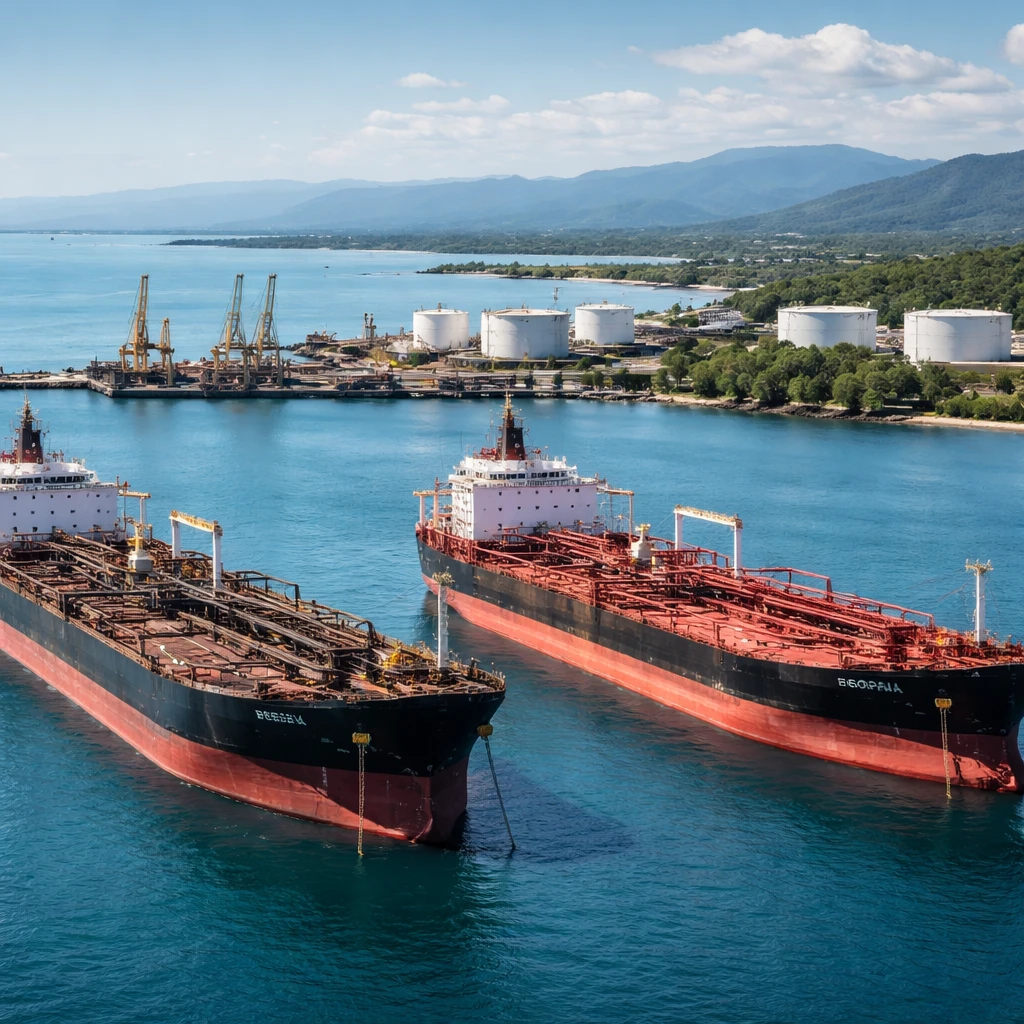
Two oil tankers, seized earlier this month by US authorities amid measures targeting Venezuelan oil exports, were spotted near Puerto Rico on Wednesday, according to on-site observations and data from Tankertrackers.com. This marks the first time the vessels have been publicly located since their apprehension, offering potential insights into their current status and future destinations.
The larger tanker, M Sophia, which was carrying Venezuelan crude oil when confiscated on January 7, and the smaller Galileo, previously known as Veronica and seized last week while empty though linked historically to Venezuelan oil transport, are central to this development. These ships are among seven tankers recently detained by the US military and Coast Guard, primarily in the Caribbean Sea, as part of a wider crackdown on shipments under Venezuelan sanction protocols.
Official statements regarding the specific destinations or intentions for the seized vessels have not been provided. The US Coast Guard deflected inquiries to the White House, which has yet to offer comments on the matter. Previously, the geolocating devices on both tankers were inactive, leading to their whereabouts remaining unknown until recent tracking and visual confirmation.
Current possibilities include the tankers remaining stationed near Puerto Rico or transferring to other US ports. According to maritime data, the other five detained vessels are located in various strategic areas, including the US Gulf Coast, Venezuelan territorial waters, and a position near Scotland.
US President Donald Trump has articulated that these interdiction efforts — which notably include the January 3 arrest of Venezuelan President Nicolás Maduro, an assertion disputed widely — intend to curb drug trafficking networks. Furthermore, Washington aims to disrupt the Venezuelan government's control and rejuvenate its debilitated oil sector by enabling significant US oil companies to engage in reconstruction.
In December, the US-imposed sanctions severely restricted Venezuelan oil exports, bringing shipments almost to a halt. However, under US oversight, exports increased in January, although substantial quantities of crude remain in onshore and floating storage facilities. The US government has also initiated legal processes to seize additional vessels linked to Venezuelan petroleum, indicating ongoing enforcement escalation.
One such vessel, the Sagitta, was intercepted in the current week. Industry specialists emphasize that many Venezuelan-connected tankers, including those under Western sanctions or belonging to the so-called shadow fleet, are aged over 20 years and often lack valid safety certifications and adequate insurance coverage. This condition poses significant risks to maritime navigation and environmental safety.
In events of collisions or oil spills, the absence of proper insurance and unclear liabilities complicates mitigation and compensation efforts, according to shipping and insurance experts. The average lifespan for tankers within the industry standard is around 15 years, placing these vessels well beyond typical operational age limits and increasing concern about possible environmental impact.
The resolution of the US government's civil forfeiture actions can be prolonged, sometimes extending to months or even years, potentially delaying effective management of associated risks. Consulting firm Blackstone Compliance Services' director, David Tannenbaum, reflected on the precarious nature of the 'dark fleet' vessels, describing them as elderly, operating under unsafe conditions without proper classification surveys, and often carrying invalid or nonexistent insurance.