
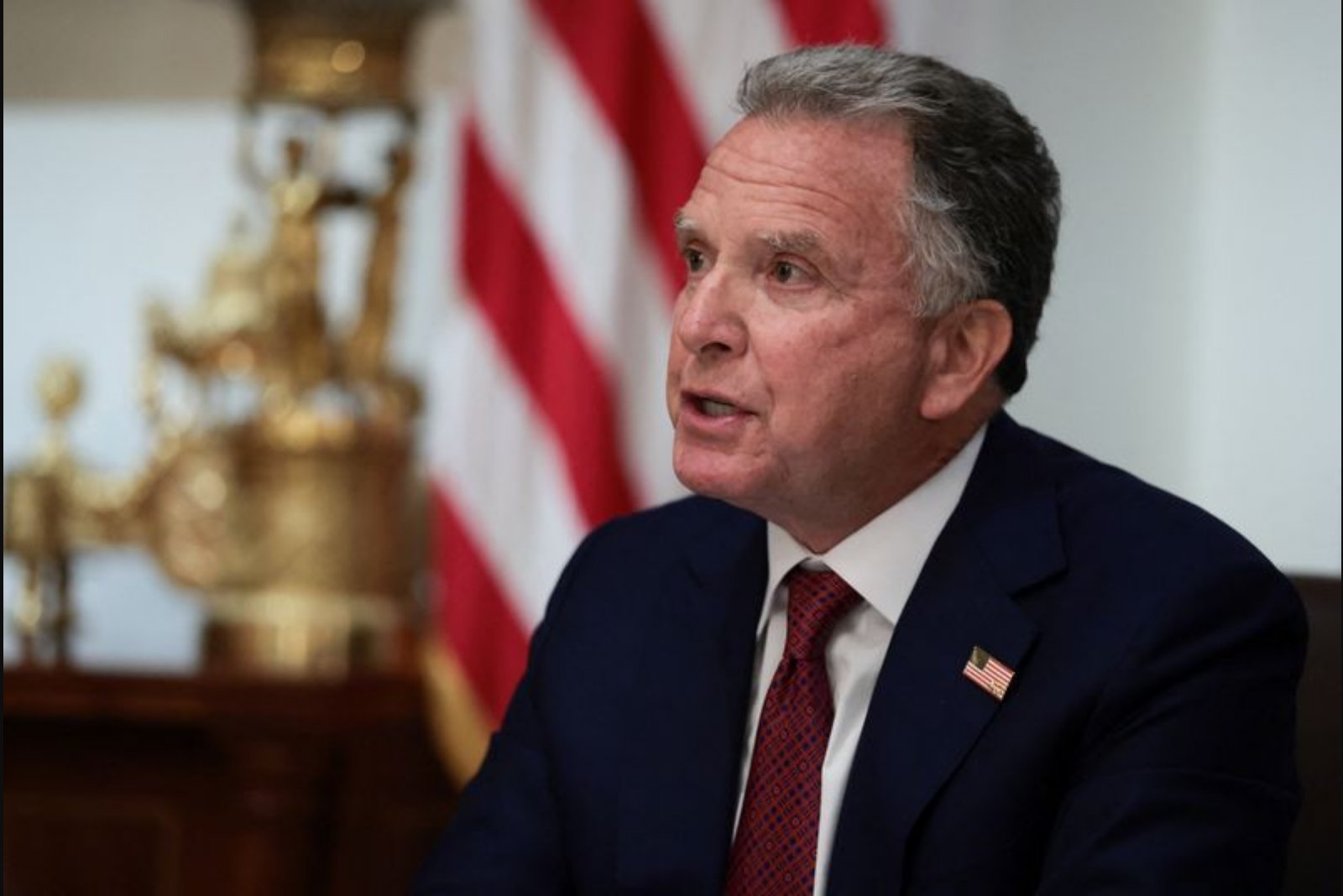
U.S. officials have delivered a detailed 15-point action list to Iranian counterparts as the starting point for negotiations intended to bring the current conflict to an end, U.S. Special Envoy Steve Witkoff said on Thursday.
Witkoff made the disclosure while speaking during a cabinet meeting at the White House, describing the list as the basis for talks. He said there are early signs Tehran may be interested in engaging on the proposed terms.
On the conditions that could determine whether the nascent discussions bear fruit, Witkoff framed the challenge in stark terms. "We will see where things lead, and if we can convince Iran that this is the inflection point with no good alternatives for them other than more death and destruction," he told reporters.
He added that "We have strong signs that this is a possibility." Those comments indicate Washington sees at least preliminary openings in Tehran's posture, though Witkoff did not elaborate on the specific content of the 15-point list during the remarks.
Witkoff also said Pakistan has been acting as a mediator in the effort, a point that aligns with statements previously made by Pakistani officials. The envoy's confirmation underscores Pakistan's role in facilitating contact between the parties.
The pathway Witkoff described centers on persuading Iranian decision-makers that pursuing the proposed agreement is preferable to continued violence - a calculus he suggested Tehran may be approaching. Beyond the envoy's assessment, concrete details about the negotiations, the timeline for talks, or any formal responses from Iran were not provided in his public remarks.
What this means
- The United States has formally offered a 15-point action list as the negotiating framework.
- U.S. officials report signs that Iran might be open to negotiation, though no formal agreement has been announced.
- Pakistan is confirmed as acting mediator between the parties, according to the U.S. envoy.
Witkoff's comments highlight the current state of the diplomatic effort: an explicit offer on the table, indications of possible receptivity from Tehran, and third-party mediation via Pakistan. The remarks stop short of describing any commitments from Iran or a clear timeline for progress, reflecting the preliminary nature of the engagement.