
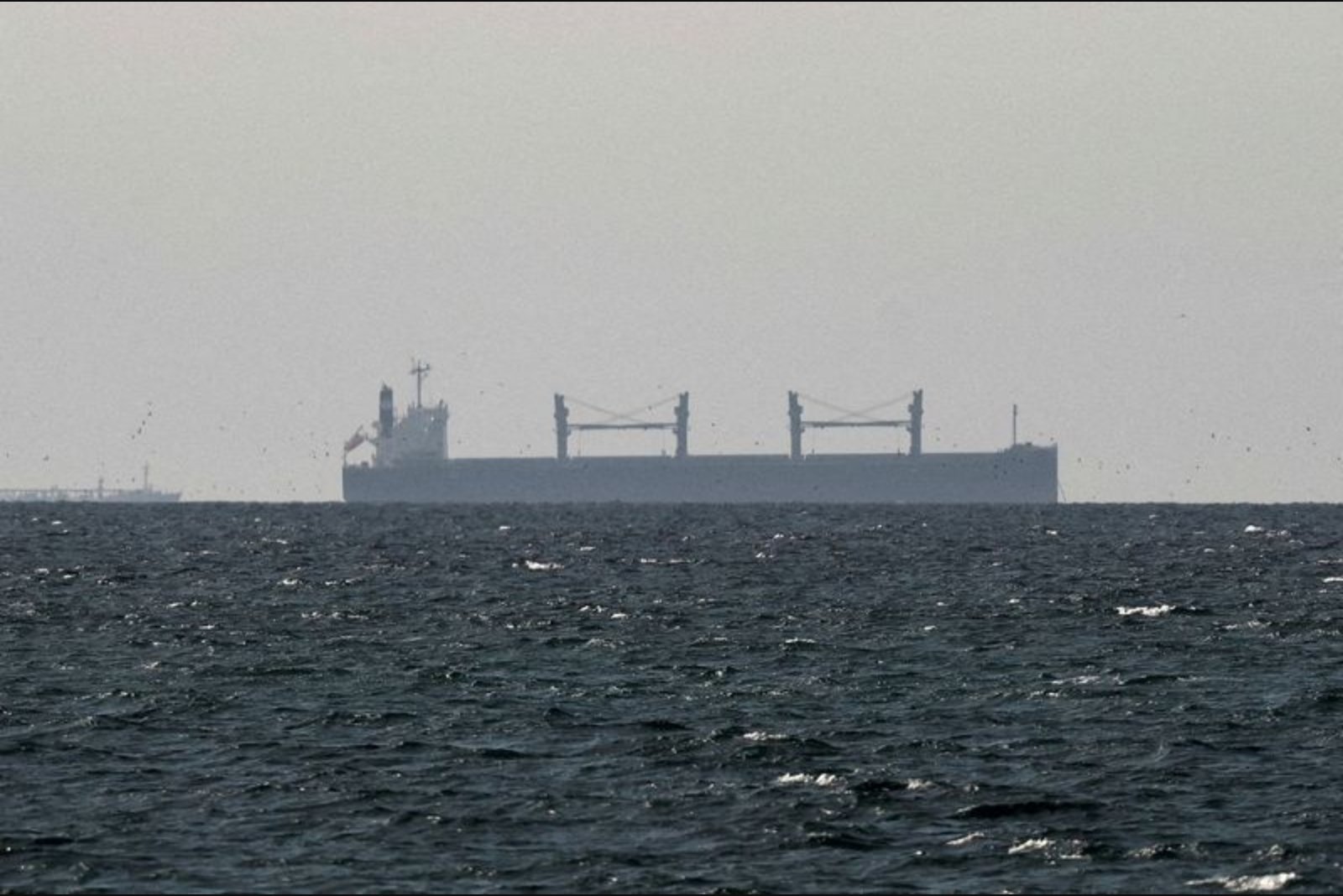
Recent U.S. intelligence reporting, sourced to three individuals familiar with the assessments, concludes that Iran is unlikely to reopen the Strait of Hormuz in the near term because the waterway represents Tehran’s most consequential bargaining chip against the United States. The reports, reviewers say, portray the strait as the principal instrument Iran can use to exert pressure by keeping global energy prices elevated.
This finding suggests Iranian leaders could use continued throttling of the passage as a pressure point to encourage a quick political resolution to a war now approaching five weeks in duration - a conflict that, the intelligence notes, remains politically unpopular with many U.S. voters.
Strategic leverage and the political calculus
The intelligence assessments underscore an uncomfortable dynamic for U.S. policymakers: an effort intended to blunt Iran’s military capacity may have simultaneously showcased Tehran’s capacity to menace a vital commercial artery. Iran’s ability to threaten the Strait of Hormuz effectively raises its regional profile by demonstrating it can impede the flow of oil and gas through a corridor that carries roughly a fifth of the world’s oil trade.
President Donald Trump has publicly suggested that U.S. forces could be ordered to restore access to the waterway. On his Truth Social platform he posted: "With a little more time, we can easily OPEN THE HORMUZ STRAIT, TAKE THE OIL, & MAKE A FORTUNE." Yet analysts and intelligence assessments included in the reports warn that forcing a reopening could be costly and may draw U.S. forces into a prolonged ground campaign.
Ali Vaez, director of the Iran Project at the International Crisis Group, is quoted in the intelligence context as saying Tehran “understands its ability to drive world energy markets through its chokehold on the strait 'is much more potent than even a nuclear weapon.'"
White House posture and classified assessments
The White House has signaled divergent tones on the issue. A White House official, speaking on background, stated that the president is “confident that the strait will be open very soon” and has made clear that Iran should not be permitted to regulate shipping once the war ends. The official also noted Trump’s view that other countries have more immediate stakes in securing passage through the waterway and suggested allied states should take a leading role.
The CIA did not immediately comment on the intelligence assessments, according to those familiar with the reporting.
Methods Tehran has used to disrupt transit
Since the U.S. and Israeli leaders initiated the conflict on February 28, Iran’s Islamic Revolutionary Guard Corps - described in the intelligence as materially out-gunned - has employed tactics that render commercial transit through the strait hazardous or uninsurable. Actions attributed to the IRGC in the reports include attacks on civilian vessels, the laying or release of sea mines, and demands for passage fees. These measures have effectively curtailed traffic through the corridor, contributing to a surge in world oil prices to multi-year highs and producing fuel shortages in nations dependent on Gulf hydrocarbons.
Rising energy costs pose a risk of heightened inflationary pressure in the United States and are flagged in the intelligence as a potential political liability for the president, who already faces weak poll numbers and whose party is preparing for mid-term congressional elections later in the year.
Sources and their caveats
The three individuals who briefed reporters on the intelligence declined to identify which agencies produced the assessments. One source summarized the judgment by saying: “It is certainly the case that now that Iran has tasted its power and leverage over the strait, it won’t soon give it up.” All three requested anonymity to discuss classified material.
Operational challenges to reopening the strait
Multiple experts cited in the intelligence reporting argue that any military plan to clear and secure the Strait of Hormuz would carry substantial risks. Geographically, the waterway separates Iran from Oman and, while 21 miles (33 km) wide at its tightest point, the internationally used shipping channel narrows to roughly 2 miles (3 km) in each direction. That constriction concentrates maritime traffic and, according to the assessments, leaves vessels and military units exposed to attack.
The intelligence notes that even if U.S. forces were to seize Iranian coastal positions and islands, the IRGC could continue to contest control using drones and missiles launched from territory well inland. As Vaez is quoted saying in the intelligence, “All it takes to disrupt traffic and deter vessels from passing through is one or two drones.”
Some analysts included in the reporting also contend that Tehran is unlikely to surrender its newfound influence over the strait even after hostilities end. One potential reason cited in the assessments is that Iran may need revenue to rebuild and could levy passage fees on commercial shipping as a means of funding reconstruction.
Former CIA Director Bill Burns is cited in the intelligence as warning that Tehran will “look to maintain the leverage that they have rediscovered by disrupting traffic” and will use that leverage to secure “long-term deterrence and security guarantees” as well as to extract “some direct material benefits” such as charging fees for passage to support post-war recovery. He characterizes that dynamic as setting up “a really difficult negotiation right now.”
Implications
The intelligence findings highlight a set of intersecting policy, security and economic dilemmas. They portray the Strait of Hormuz as a lever Tehran is unlikely to relinquish in the near term, complicating military options and raising the stakes for global energy markets, maritime insurance, and regional stability. The assessments emphasize the difficulty of translating military initiative into secure, sustainable control of a narrow and easily contested waterway without accepting significant costs and uncertainties.