
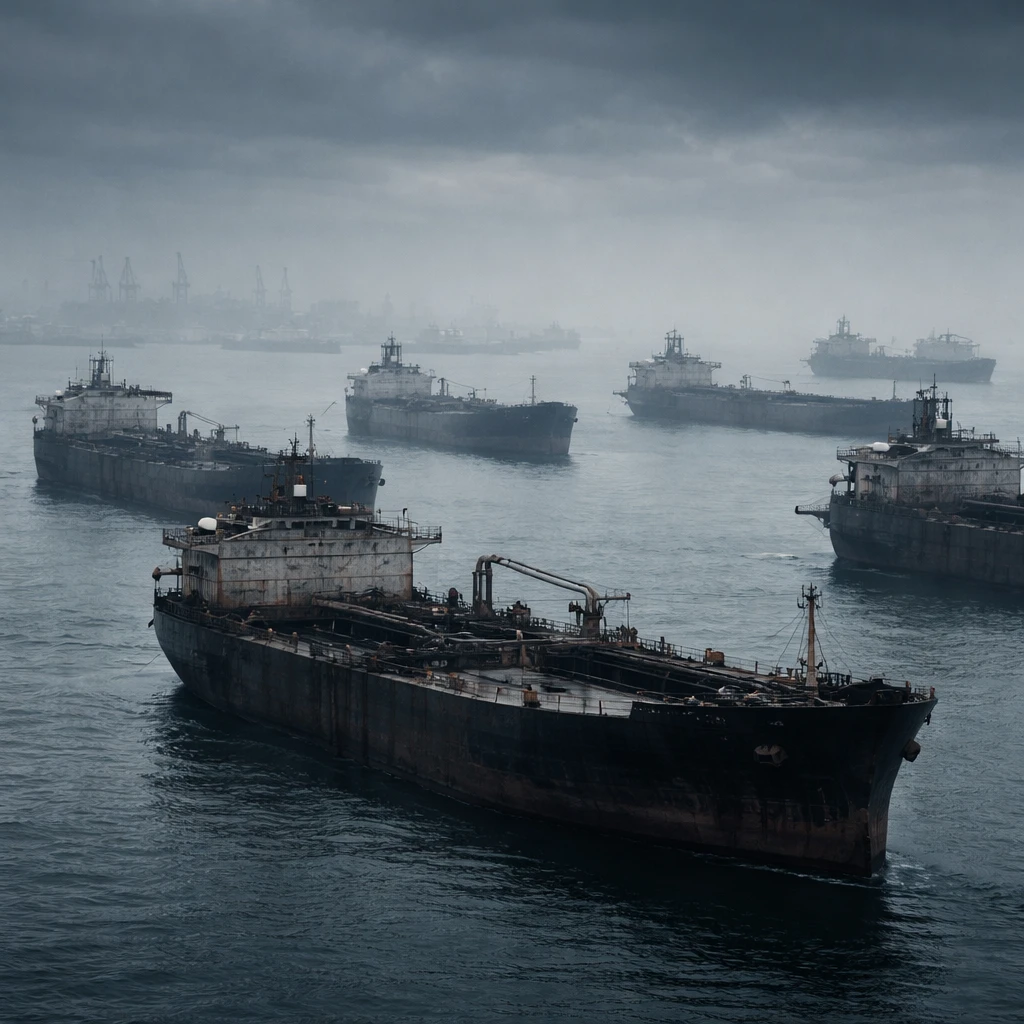
On January 23, the United States Treasury Department announced sanctions against nine vessels classified within Iran’s so-called 'shadow fleet' alongside eight related entities. The sanctions are part of Washington's efforts to escalate economic and political pressure on the Iranian government following its violent crackdown on protesters, which human rights organizations have described as the most severe repression since the 1979 Shi’ite revolution.
The designated vessels and their corresponding management or ownership companies operate under varied jurisdictions, including India, Oman, and the United Arab Emirates. The Treasury indicated these groups have collectively facilitated the transport of hundreds of millions of dollars of Iranian oil and petroleum products to overseas buyers, circumventing established sanctions.
Secretary of the Treasury Scott Bessent remarked that these sanctions strike at a vital source of revenue that the Iranian regime exploits to fund its internal suppression efforts. Emphasizing a continued commitment, Bessent stated that the Treasury will persist in monitoring and obstructing tens of millions of dollars the regime attempts to channel through banking institutions outside Iran.
Amid this, rights advocates report thousands of fatalities linked to the protests and ensuing repression. While former President Donald Trump had at times threatened direct intervention regarding Iran’s handling of the protests, these public declarations diminished following a reduction in demonstration activities. Despite this rhetorical moderation, the United States’ sanctions demonstrate ongoing resolve.
The 'shadow fleet' itself is characterized by older vessels with ambiguous ownership profiles that often operate without premium insurance coverage typically required by major oil companies and many ports. These characteristics allow these tankers to transport oil under sanctions in a discreet manner, enabling Iran to maintain export flows despite international restrictions.
This development has implications across several sectors, most notably energy and maritime shipping industries, influencing global oil supply chains and raising risks for international insurers and port authorities.