
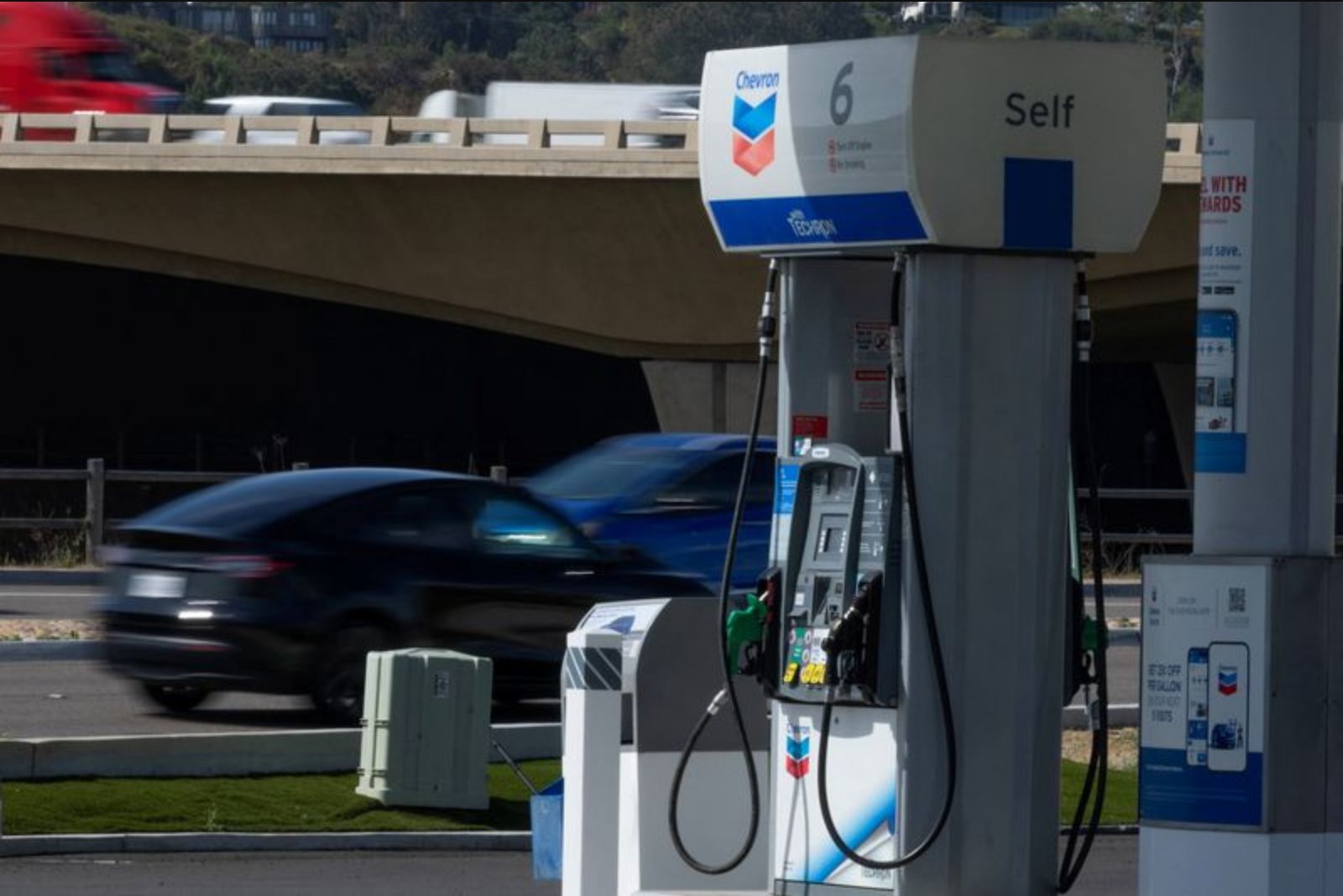
The U.S. national average retail price of gasoline exceeded $4.50 a gallon on Tuesday, reaching $4.52 as of 5:20 p.m. ET, marking the first time pump prices have been at that level since July 2022, according to GasBuddy data. The rise in U.S. motor fuel costs comes amid continued disruptions to a sizeable share of global oil shipments moving through the Strait of Hormuz following the U.S.-Israeli attack on Iran earlier this year.
With the Memorial Day holiday approaching and the onset of peak summer driving season, the jump in prices presents a notable political risk for President Donald Trump and his Republican party as they campaign for midterm elections in November, according to market observers cited in reporting. Several analysts warned that, without de-escalation in the Middle East, U.S. retail gasoline prices could climb beyond previously recorded highs.
GasBuddy reported that prices first topped $4 in late March, a threshold last seen in August 2022 after Russia's invasion of Ukraine. California remained the most expensive state for motorists, with an average pump price of $6.14 a gallon, per GasBuddy's figures.
Wholesale crude markets have rallied on concerns of prolonged supply disruptions in the Gulf, lifting refined fuel prices. The global Brent crude benchmark has risen 58% since the outbreak of the conflict, pushing refining margins and retail fuel costs higher.
Patrick De Haan, an analyst at GasBuddy, pointed to both the Strait of Hormuz situation and refinery outages as drivers of elevated prices. "The Strait of Hormuz shutdown continues to slowly push oil and gasoline prices higher, but we’ve also seen refining issues that have enhanced some of those increases," he said.
One recent example of refining disruption involved BP's 440,000-barrel-per-day oil refinery in Whiting, Indiana, which suffered a brief power outage that forced the shutdown of one processing unit. BP later reported that operations at the facility had been restored.
Analysts highlighted the vulnerability of global flows through the Strait of Hormuz. Before the U.S. and Israel attacked Iran on February 28, about 20% of global oil supplies moved daily through that waterway, a fact cited as a key factor in market tightness.
On the inventory front, Morgan Stanley said U.S. gasoline stocks are drawing down faster than the normal seasonal pattern. The firm said its base case projects stocks could fall below 200 million barrels by late August, approaching historical summer lows.
Data from the U.S. Energy Information Administration showed U.S. gasoline stocks declined by more than 6 million barrels last week, standing at 222.3 million barrels as of April 24. That level was the lowest since December and was more than 2 million barrels below the five-year seasonal average.
At the same time, gasoline demand held steady. The EIA reported a four-week average gasoline demand of 8.95 million barrels per day, up 1% from the same period a year earlier. Morgan Stanley noted that demand has persisted despite higher pump prices, saying "It is not driving the draws but it’s also not soft enough to slow the supply-driven stock draws."
In futures markets, U.S. gasoline futures traded around $3.64 a gallon on Tuesday, hovering at their highest levels since 2022 as traders price in the risk of sustained supply constraints and seasonal demand increases.
As the summer travel season approaches, market participants and policymakers will be monitoring developments in the Gulf and any further refining disruptions closely, given their potential to keep prices elevated at the pump and to exert pressure on inventories already trending lower than historical averages.