
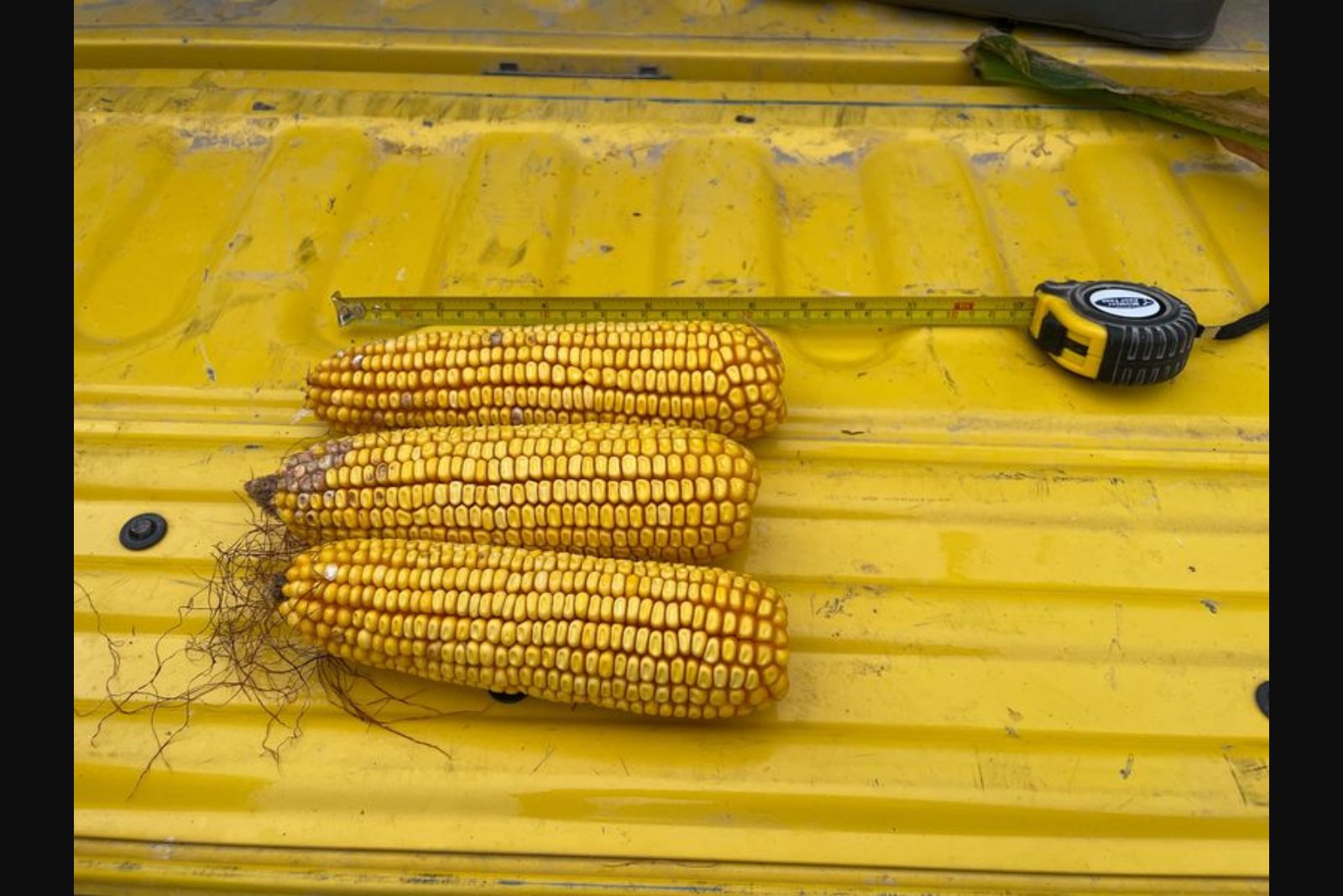
The U.S. Department of Agriculture's initial survey-based outlook for 2026 plantings finds U.S. growers planning to cut corn area and increase soybean acreage, a change the agency and market participants link to higher fertilizer and fuel costs as the Iran war affects global supplies.
Published alongside quarterly U.S. grain stocks figures, the USDA's prospective plantings release is the first formal, survey-derived acreage estimate of the year. Analysts caution the survey - conducted in the first half of March - may not fully capture later disruptions or price movements connected to the conflict, and that the agency could further trim its corn acreage estimate in subsequent updates.
Survey response and reliability concerns
The USDA's National Agricultural Statistics Service reported a March agricultural survey response rate of 37.6% this year, down from 44.3% a year earlier and the lowest level recorded for that particular survey. The agency has faced criticism in recent years over the reliability of its data after making unusually large upward adjustments to corn acreage estimates for the 2025 crop.
Market participants say two related factors - the sudden rise in fertilizer costs and the timing of the USDA questionnaire - likely mean the March snapshot shows the highest corn acreage this year, with later revisions probable.
"Because of what’s happening in the fertilizer market, and the timing of when the survey went out, this is probably the highest number in planted acreage we’ll see in corn this year," said Jake Hanley, managing director and senior portfolio specialist at Teucrium Trading.
Why soybeans gain share
Growers are favoring soybeans over corn because corn and wheat are more fertilizer-intensive, and fertilizer tied to nitrogen supplies routed through Gulf of Iran trade routes has become costlier as the Iran war disrupts flows. That shift comes on top of an already challenging backdrop for farm incomes - weak grain prices, rising costs for other inputs, and uncertainty about Chinese demand for U.S. crops.
The USDA reported farmers intend to seed 95.338 million acres of corn for 2026, down from 98.788 million acres in 2025. Soybean acreage is projected at 84.7 million acres, up from 81.215 million acres last year.
Analysts polled by market observers expected even fewer corn acres and more soybean acres than the USDA reported. The analyst projections placed corn plantings at 94.371 million acres and soybean plantings at 85.549 million acres. The USDA's estimate for soybeans came in lower than those expectations and helped lift soybean futures.
Wheat at near-record low acreage
Wheat acreage for harvest this year was reported at 43.775 million acres, down from 45.328 million acres a year earlier and the smallest planted area since records began in 1919, according to the USDA. Analysts had expected 44.786 million acres.
Most Midwestern producers rotate corn and soybeans annually to maintain soil health. But market signals and input costs can prompt departures from that rotation when growers seek to maximize returns or minimize losses.
Farm finances and aid
U.S. net farm income is forecast to decline this year despite near-record government aid payments, continuing a fourth straight year of tight margins driven by high production costs and low commodity prices. Farm groups have urged Congress for additional support as the fallout from the Iran war reverberates through agricultural markets and the wider economy.
The administration of President Donald Trump is already distributing $12 billion to farmers after trade actions with China disrupted U.S. soybean export sales.
Grain stocks point to ample supplies
The USDA's quarterly stocks report showed U.S. inventories of corn, soybeans and wheat as of March 1 were higher than a year earlier, reflecting abundant supplies following bumper harvests and trade disruptions the prior year. U.S. corn stocks were 9.024 billion bushels on March 1, compared with 8.147 billion bushels a year earlier and analysts' expectations of 9.104 billion bushels.
Plentiful grain inventories put downward pressure on prices for crop producers while lowering feedstock costs for livestock operations and biofuel manufacturers.
"There’s plenty of corn right now to be had," Hanley said. "But all the elements right now are building that the risk is to the upside here."
Outlook and uncertainties
While the USDA's March survey provides the first formal acreage snapshot for 2026, analysts emphasize the figures are provisional. The combination of low survey response rates and rapidly shifting input markets means acreage estimates - particularly for fertilizer-sensitive crops such as corn and wheat - are subject to change as more information becomes available and as market conditions evolve.
The current data underline a sector navigating multiple pressures: elevated input costs linked to geopolitical developments, persistent weakness in commodity prices, and the lingering effects of trade disruptions on export demand.