
Overview
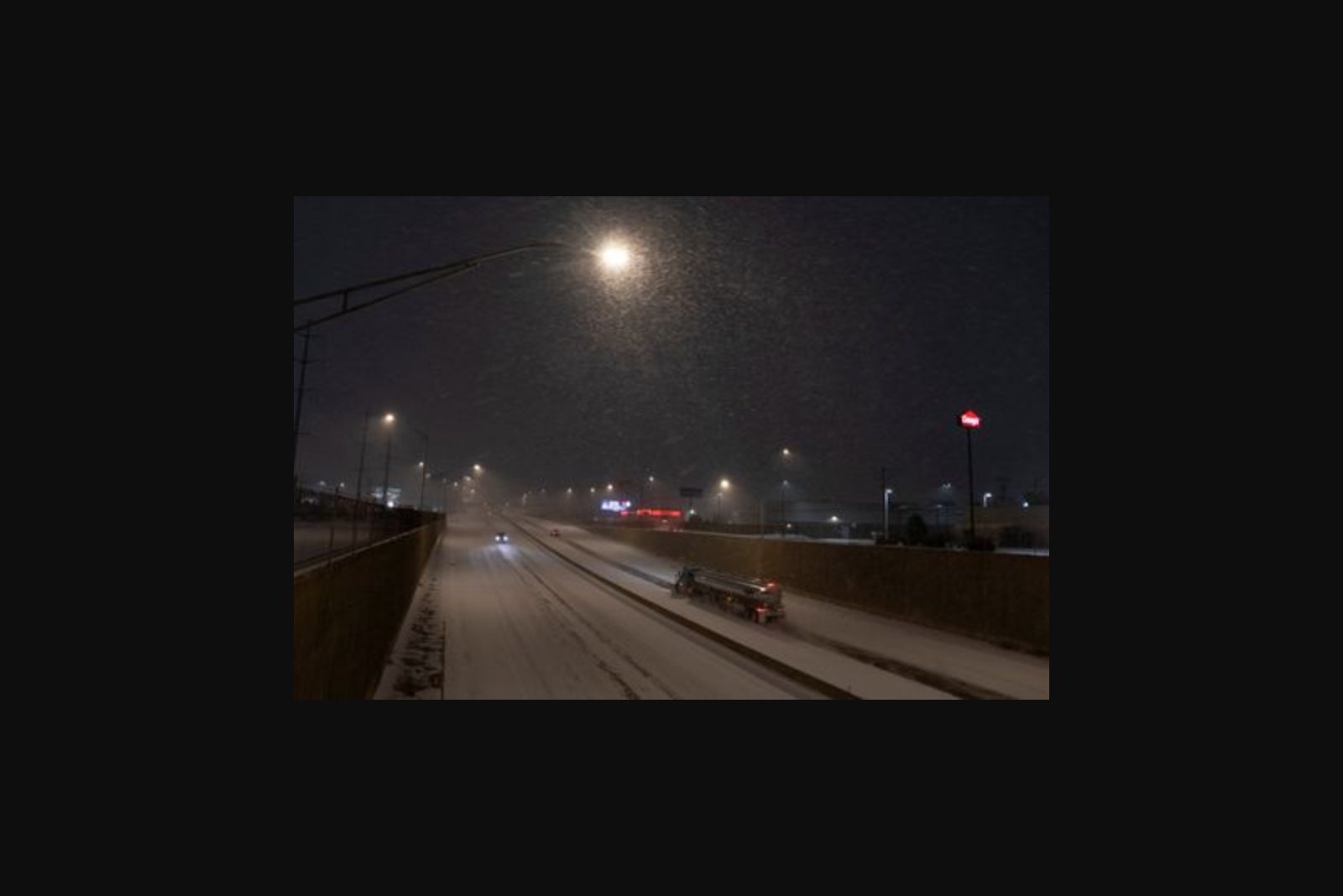
A severe winter storm, identified as Fern by The Weather Channel, began sweeping from the southern Rockies to New England on Friday, bringing heavy snow, sleet and freezing rain and prompting broad preparations across the U.S. energy sector. The National Weather Service projected the system would persist through Monday, with widespread travel disruption, downed power lines and potential prolonged electricity outages.
Crude and Gas Production Impact
Cold temperatures and storm conditions have already led operators to shut in production in key oil and gas producing basins. Energy Aspects estimated a total crude production outage of roughly 300,000 barrels per day could occur, and noted that number could rise. On the natural gas side, the consultancy forecast the storm could eliminate about 86 billion cubic feet of output over the next two weeks, with the Appalachia region potentially losing 35 billion cubic feet.
Forecasters expect the cold to reach the Permian Basin - which contributes approximately half of U.S. crude production - over the weekend. Energy Aspects estimated that the Permian alone could see output fall by about 200,000 barrels per day. The U.S. Energy Information Administration reported the Permian was set to produce 6.63 million barrels per day of crude in January.
North Dakota state regulators reported current crude output in the state was down between 80,000 and 110,000 barrels per day, representing around 5 to 10% of the state’s production, as operators shut wells amid the cold. North Dakota, the third-largest oil-producing state, increased output by 12,000 barrels per day to 1.189 million barrels per day in November, according to the state Industrial Commission's latest monthly data. The regulator added that well-head associated gas output was down by 0.24 billion cubic feet per day to 0.33 billion cubic feet per day.
Power System Responses and Price Volatility
Federal and regional energy authorities moved to prepare the grid for potential stresses. U.S. Secretary of Energy Chris Wright asked grid operators to be ready to make backup generation resources at data centers and other critical facilities available if required. The Department of Energy estimated that more than 35 gigawatts of unused backup generation capacity exist nationwide - a reservoir that could be deployed to mitigate blackouts and reduce costs for many Americans during the cold snap.
Regional wholesale electricity prices showed sharp local swings as the storm influenced generation and transmission flows. The Southwest Power Pool, spanning 14 states from North Dakota to Louisiana, reported real-time spot wholesale prices climbing above $200 per megawatt-hour due to congestion on high-voltage lines that bring southern generation north toward the upper Midwest and Great Plains. In contrast, areas seeing heavy wind generation experienced negative wholesale prices as wind farms were forced to pay the grid to accept excess electricity rather than curtail output.
PJM, the nation’s largest power grid, warned it could record a new all-time winter peak load on Tuesday, January 27 depending on temperatures, and said it was coordinating additional precautions with its generation and transmission owners. Utilities including CenterPoint Energy and Duke Energy said they were implementing preparations intended to minimize impacts on power availability.
Fuel Market Effects
Traders expected gasoline demand to fall as people stay indoors during the cold, while diesel prices rose because the fuel often substitutes for natural gas in heating and power applications. Tom Kloza, an oil analyst quoted in reporting, noted the potential for a surge in distillate demand as trucks and fleets load fuel for use when natural gas is unavailable.
Concerns about potential disruptions at refineries supported a rise in U.S. ultra-low-sulfur diesel futures, which were trading up 3% at $2.44 a gallon and at their highest level since November during Friday’s session.
Major delivery hubs served by the Colonial Pipeline were expected to face several days of ice and snow, according to fuel distributor TACenergy. That environment pushed prices for shipping gasoline on Colonial's Line 1 into negative territory, with demand at those delivery hubs likely to soften. TACenergy indicated most major refinery origin points were expected to avoid the worst of the storm.
What to Watch
- Timing and depth of freezing temperatures in the Permian Basin and other major producing regions, which will determine the extent of oil and gas shut-ins.
- Grid operator actions and the availability of backup generation to limit outages as peak loads approach potential winter records in parts of the country.
- Wholesale price movements for power and fuels, including regional spikes and negative pricing episodes tied to transmission congestion and variable wind output.
Reporting on company actions, grid operator notices and analyst estimates underpinned this account of the storm's immediate effects on U.S. energy production and markets.