
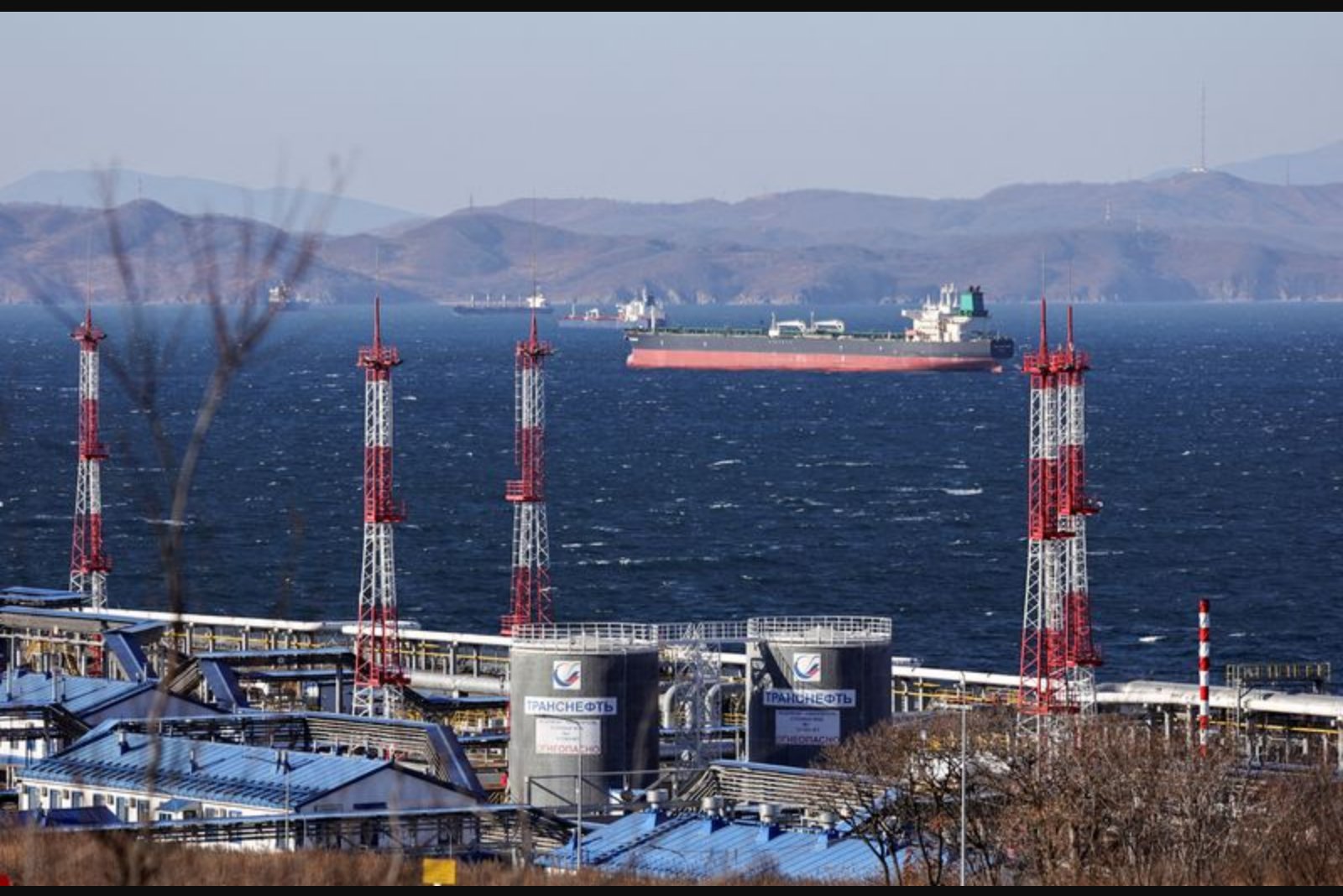
U.S. administration officials spent Sunday defending a short-term suspension of some sanctions on Russian oil and arguing that the move will relieve immediate pressure on global fuel markets. Energy Secretary Chris Wright and U.S. Ambassador to the United Nations Mike Waltz appeared on national television to explain the rationale behind a recently issued waiver that permits Indian purchases of Russian crude.
Waltz described the action on NBC's Meet the Press as a "30-day pause," saying it was a commonsense step to allow "the millions and millions of barrels of oil that are sitting out on ships to go to Indian refineries." Wright, on CNN's State of the Union, framed the waiver as a measure to counter market anxiety. "It can help tamp this fear of shortage of oil, tamp the price spikes and the concerns we see in the marketplace," he said.
The waiver was issued last week and, according to administration officials, is intended to move crude that is physically available but not reaching refineries because of the sanctions environment. Administration officials stressed that their goal is to return supply and prices to more normal levels without endorsing a long-term change in sanctions policy.
Prices at the pump have risen sharply since the Iran operation began, complicating the economic picture at home. As of Friday, the national average for regular gasoline was $3.32 a gallon, up 11% from the previous week and the highest level since September 2024, according to data cited by motorists' group AAA. Diesel climbed to $4.33 a gallon, a 15% increase week-on-week and the highest price since November 2023.
Wright argued on Fox News Sunday that these increases do not reflect a physical shortage of oil or natural gas. "There is no shortage of oil or natural gas," he said, attributing the spike in prices primarily to "fear and perception" that the Iran operation could be prolonged. He predicted the conflict will not be long-lasting, echoing President Donald Trump's view that it will last weeks rather than months.
President Trump, in a recent interview, predicted gasoline prices would "drop very rapidly" once the conflict ends. Separately on Fox News Sunday, Senator John Kennedy criticized traders for driving oil prices higher. "The oil prices have gone up because you've got a bunch of oil traders out there in their Gucci loafers, with their caramel Frappuccinos who are bidding up the price," Kennedy said.
The domestic economic context includes a surprising jobs contraction: the U.S. economy unexpectedly lost 92,000 jobs in February. Political strategists warn that sustained increases in gasoline costs could have political consequences ahead of the November midterm elections, when control of Congress will be contested. A Reuters/Ipsos poll last month found that most respondents rejected the president's characterization of the economy as "booming."
Administration officials maintained that the waiver is a temporary, pragmatic step aimed at easing market stress. They said freeing up barrels currently at sea for delivery to Indian refiners should help tamp short-term price volatility while broader economic conditions and the trajectory of the conflict continue to unfold.
Key takeaways
- The administration issued a 30-day waiver allowing Indian purchases of Russian oil to move barrels currently at sea into refineries, aiming to relieve market pressure.
- Officials including Energy Secretary Chris Wright and Ambassador Mike Waltz said price increases are driven primarily by fear and perception related to the Iran conflict, not physical shortages.
- U.S. pump prices surged—regular gasoline at a national average of $3.32 a gallon and diesel at $4.33—while the U.S. economy reported an unexpected loss of 92,000 jobs in February, raising political stakes.